How Edo Artists Remixed an Entire Cultural World
Japanese shunga is often introduced as erotic art from the Edo period. Yet behind its intimate imagery lies a much larger world of cultural exchange, literary adaptation, and visual storytelling.

Some of the most inventive works by Utagawa Kunisada and Utagawa Kuniyoshi draw upon stories and artistic traditions that traveled from China to Japan.
At the Shinjuku Kabukicho Shunga Exhibition “WA,” visitors can discover how Chinese heroes, literary characters, and celebrated landscapes were transformed through the imagination of Edo-period artists.
Water Margin: From Chinese Heroes to Japanese Popular Culture

One of the most influential sources was Water Margin (Shuihu Zhuan, known in Japanese as Suikoden), the Chinese novel about 108 heroes who gather at Liangshan Marsh.
In the Edo period, the story became enormously popular in Japan through translations, adaptations, and illustrated publications.
Utagawa Kuniyoshi achieved fame through his dynamic series One Hundred and Eight Heroes of the Popular Suikoden. His muscular warriors, dramatic compositions, and elaborate tattoos transformed Chinese literary characters into unforgettable images of Edo popular culture.
But Kuniyoshi did not stop there.
In his erotic book Tōsei Suikoden (A Contemporary Suikoden), he reinvented the original story’s opening. Instead of 108 demonic stars being released into the heavens, 108 lustful men and women emerge from a mound in which human desire had been sealed.
The heroic narrative becomes an erotic parody, demonstrating how freely Edo artists reworked familiar stories.
From The Plum in the Golden Vase to Erotic Woodblock Prints
Another important literary connection is Jin Ping Mei (The Plum in the Golden Vase), a Chinese novel that developed from an episode in Water Margin.
The story inspired Japanese writer Kyokutei Bakin’s Shinpen Kinpeibai (A New Version of The Plum in the Golden Vase), which in turn became a source for Kuniyoshi’s erotic book Chinpen Shinkei Bai (Deep Chamber Plum by the Pillowside).
Chinese literature was not simply imported into Japan. It was translated, adapted, parodied, and transformed into new works for Japanese audiences.
The process resembles a cultural remix: each generation reinterprets existing material in its own artistic language.

Chinese Landscapes, Japanese Lovers
Cultural exchange also shaped the visual language of shunga.
Kuniyoshi’s Ōmi Hakkei (Eight Pledges at Lovers’ Meetings) plays on the famous Eight Views of Ōmi, a series of Japanese landscapes inspired by China’s Eight Views of Xiaoxiang.
In Kuniyoshi’s prints, small landscape compositions appear above erotic scenes. The scenery becomes part of a playful network of visual metaphors and wordplay.
A Chinese landscape tradition was first adapted into Japanese scenic imagery, then transformed once again into erotic art.
This layering of references reveals the remarkable cultural literacy and inventiveness of Edo audiences and artists.

Shunga as a Culture of Connections
Shunga was never created in isolation. It emerged from a world of shared stories, imported ideas, popular entertainment, and collaboration between artists, writers, carvers, printers, and readers.
The Shinjuku Kabukicho Shunga Exhibition “WA” continues this spirit of cultural exchange in a contemporary setting.
Organized by Smappa!Group, the exhibition connects traditional Japanese art with the living cultural landscape of Kabukicho, including its host clubs.
Rather than treating the past as something distant, the exhibition invites visitors to see how stories travel between cultures, change through reinterpretation, and acquire new meanings.
From Chinese literary heroes to Edo erotic books, and from historical woodblock prints to contemporary Kabukicho, culture continues to develop through encounters.
Continue Exploring Kabukicho
Discover the Chinese literary and artistic influences behind Japanese shunga, then explore another distinctive aspect of contemporary Japanese culture through a guided Kabukicho Host Club Experience.
Take a Piece of Kabukicho Home — And Explore Beyond the Exhibition
Your Kabukicho experience doesn’t have to end at the Shunga Exhibition “WA.”
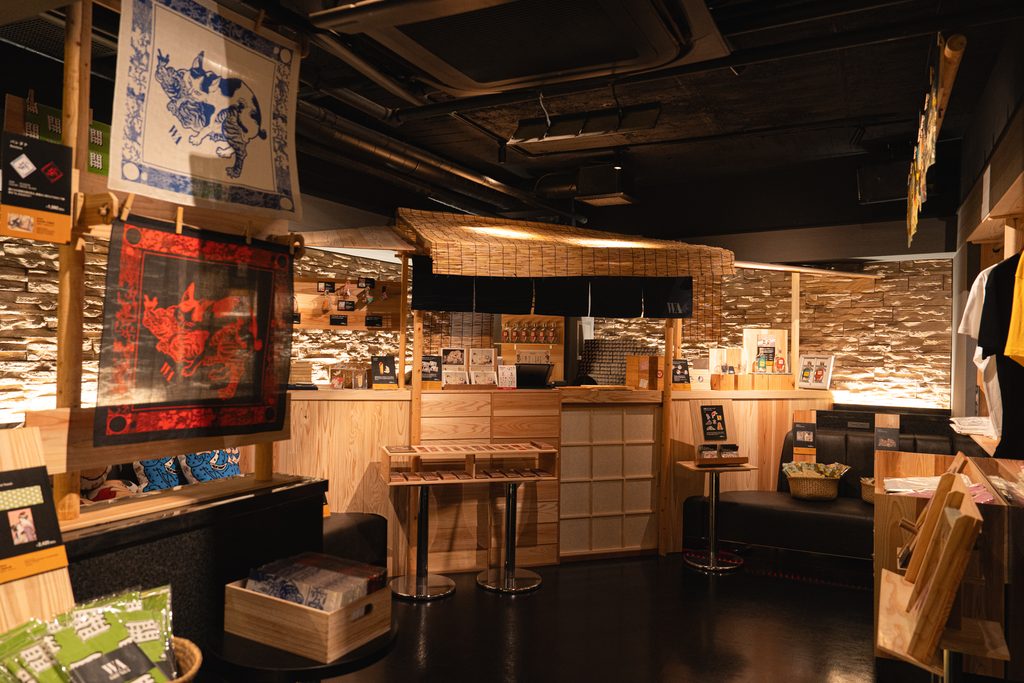
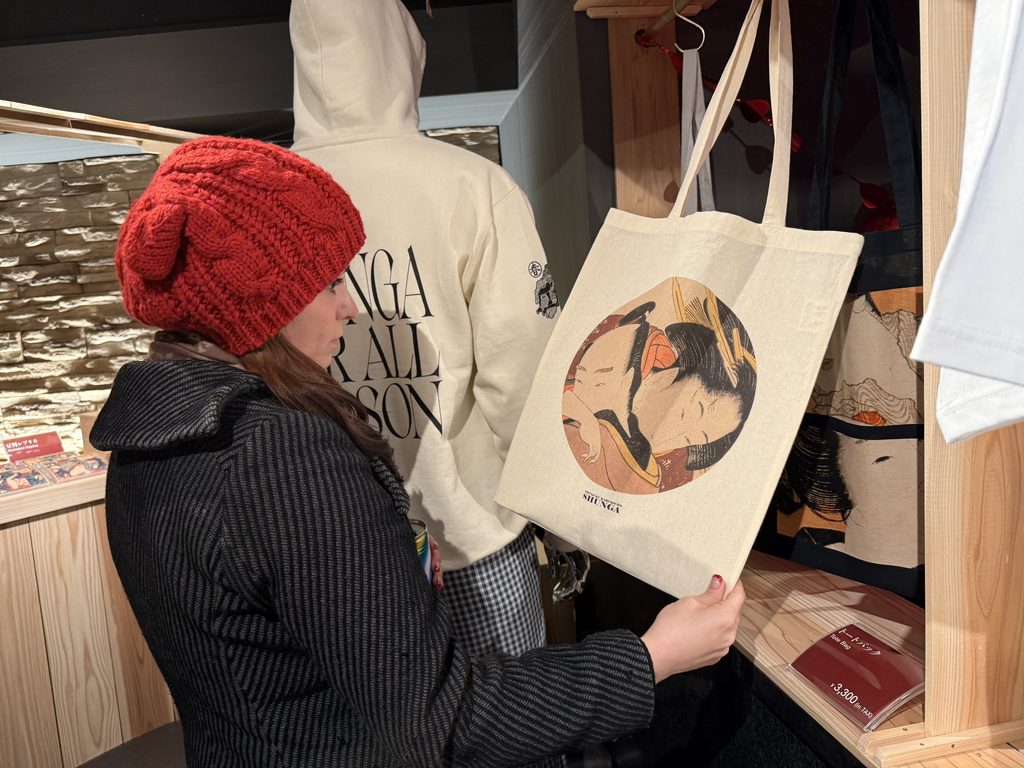
Visit the Kabukicho Information Center (KIC) in BOND Souvenir Shop, a cultural souvenir shop operated by Smappa!Group in a former host club space. Discover original Kabukicho-themed merchandise, unique souvenirs, and another perspective on the neighborhood’s distinctive culture.
Want to go a step further? Join a Kabukicho Host Club Experience and discover one of Japan’s most distinctive forms of nightlife hospitality. With guided support available in English and Chinese, visitors can learn about host club etiquette, enjoy conversation, and experience a side of Kabukicho rarely encountered through ordinary sightseeing.
From Edo-period art to contemporary entertainment, discover the many layers of Kabukicho.
Explore the Kabukicho Information Center: https://kic.tokyo/collections/all
Discover the Kabukicho Host Club Experience: Guided experiences are available by reservation.