November 2026 | Media Coverage
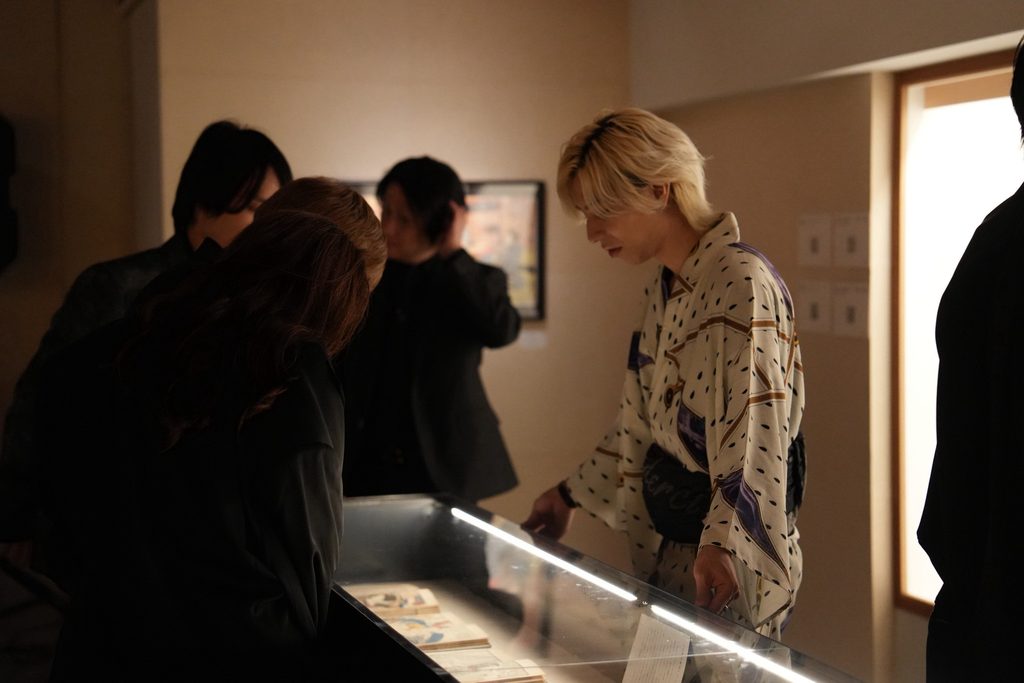
From Edo-period erotic art to the hospitality of modern Kabukicho, an unconventional exhibition tour reveals a different side of Tokyo’s cultural landscape.
Japanese arts and culture publication niew has featured the Utagawa Kunisada & Utagawa Kuniyoshi — Shinjuku Kabukicho Shunga Exhibition “WA” in a lively firsthand report exploring one of the exhibition’s most unusual programs: the Shunga Tour with Hosts.
Written by Rikimaru Yamatsuka and edited by Yui Isaji, the feature was published in Japanese on November 4, 2026, followed by an English edition on November 5.
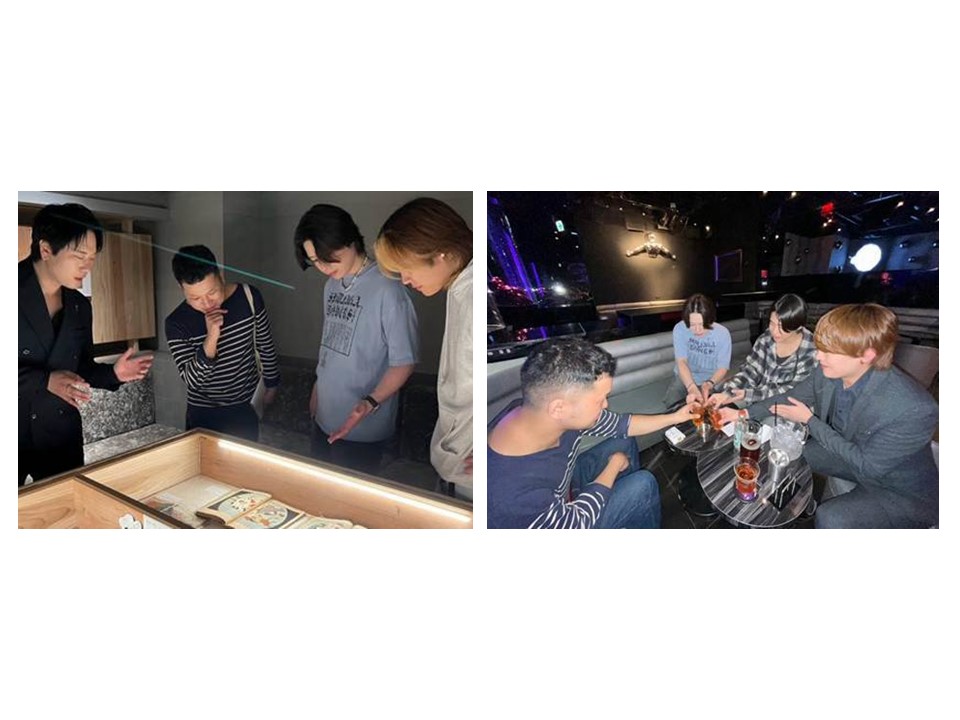
The article takes readers beyond a conventional museum visit, following the writer as he explores rare Edo-period woodblock prints with three working hosts from Kabukicho before experiencing a real Japanese host club for the first time.
What emerges is a story about art, humor, hospitality, and the unexpected connections between historical and contemporary Japanese entertainment culture.
Shunga as a Social Experience: Bringing Edo-Period Laughter Back to Life

Shunga, a genre of Japanese erotic art that flourished during the Edo period (1603–1868), was also known as warai-e, meaning “laughing pictures.”
Although shunga is often associated with private viewing, these works could also be enjoyed collectively, with people gathering to exchange reactions, jokes, and observations.
One of the details highlighted in niew’s report is how the exhibition recreates this social atmosphere.
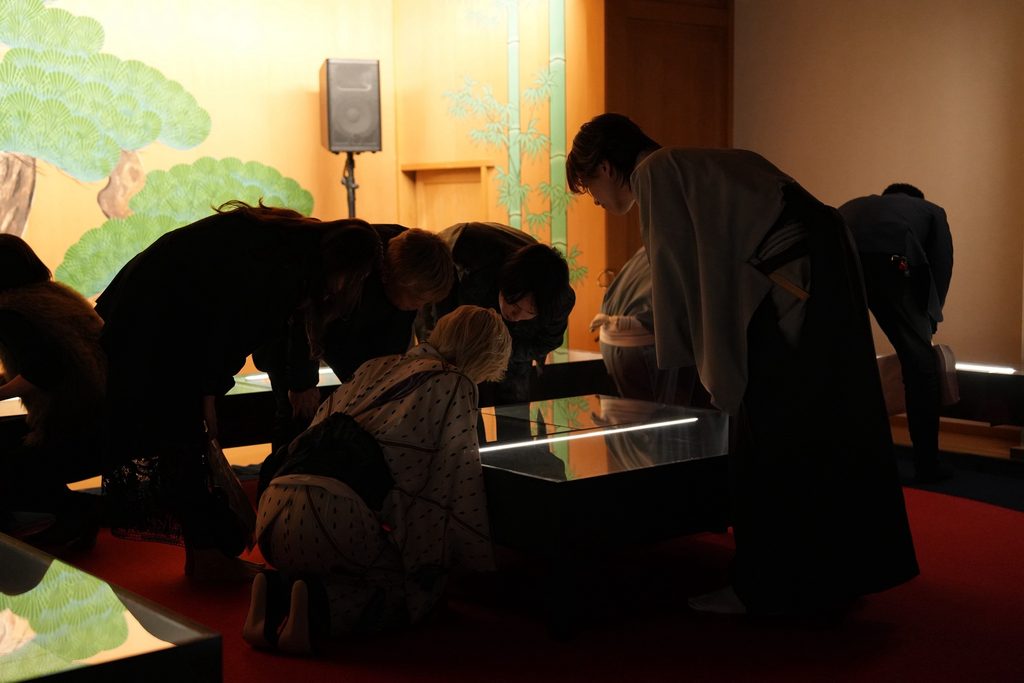
At the Shinjuku Kabukicho Noh Stage, glass display cases are arranged in a circle, allowing visitors to face one another while viewing the artworks.
Rather than treating art appreciation as an entirely individual experience, the exhibition encourages a sense of shared discovery.
Accessible artwork descriptions and free audio guides in Japanese and English further invite visitors to engage with the material, whether they are longtime admirers of ukiyo-e or encountering shunga for the first time.
The exhibition combines this approachable presentation with serious historical scholarship, creating an environment where learning and enjoyment naturally coexist.

Kunisada and Kuniyoshi: Extraordinary Artistry Behind the Humor
The exhibition brings together approximately 100 works by two celebrated masters of ukiyo-e: Utagawa Kunisada (1786–1864) and Utagawa Kuniyoshi (1797–1861).
Kunisada was renowned for his portraits of kabuki actors, beautiful women, and illustrations for the bestselling Edo-period novel Nise Murasaki Inaka Genji. Kuniyoshi became famous for his dynamic warrior prints, inventive compositions, and playful depictions of cats.
Among the exhibition’s most important highlights is Kunisada’s celebrated Three Genji trilogy:
- Enshi Gojūyojō (c. 1835)
- Kachō Yojō Azuma Genji (1837)
- Shōutsushi Aioi Genji (c. 1851)
These works draw on the literary tradition of The Tale of Genji and its popular Edo-period reinterpretations, demonstrating how classical Japanese literature continued to inspire new forms of visual storytelling.
In the niew feature, Yamatsuka pays particular attention to the astonishing precision of the woodblock printing.
Some details were carved with as many as three fine lines within a single millimeter. Other techniques included karazuri, a form of blind embossing that creates texture without ink, and tsuyazuri, which produces glossy surfaces and subtle visual effects.
The result is an extraordinary combination of technical refinement, vivid color, elaborate textile patterns, and imaginative storytelling.
The article also draws a playful comparison between Edo-period literary adaptations and contemporary music sampling: creative works being reinterpreted, transformed, and reused across generations.
It is a reminder that artistic remixing has a much longer history than we might imagine.

Three Working Hosts, One Unforgettable Art Tour
The central experience of the article begins when Yamatsuka meets three working hosts from Smappa!Group: Reiji Naito, Futo, and Takuya Niimi.
Their backgrounds are as unexpected as the tour itself. Futo previously worked at city hall, while Reiji was once a firefighter.
None of the three approaches the exhibition as a conventional art historian. Instead, they bring something entirely different: professional conversation skills, spontaneous humor, and an ability to make visitors feel at ease.
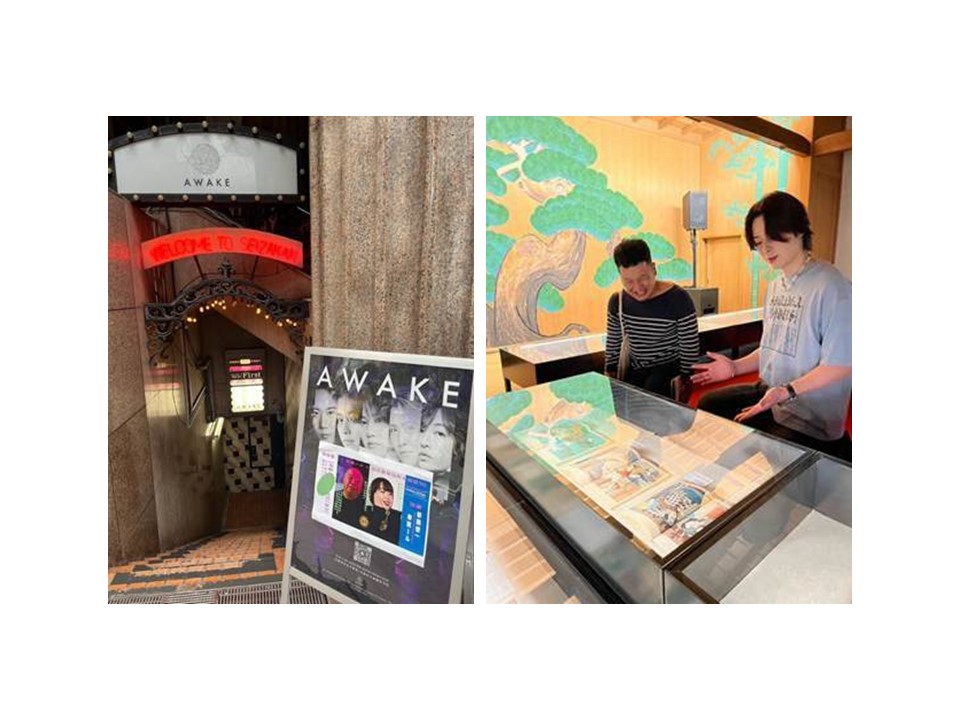
As the group moves through the exhibition, the hosts offer their own interpretations of the artworks, sometimes with great confidence and sometimes with amusing uncertainty.
One memorable moment comes when a host enthusiastically invites questions about a print, only to admit that he is not quite sure what it depicts.
Far from undermining the experience, these exchanges become part of its charm.
Yamatsuka describes laughing throughout the tour, discovering that the hosts’ talent for conversation and entertainment made the artworks feel more accessible and the atmosphere remarkably relaxed.
In an unexpected way, the experience echoes the communal enjoyment of warai-e in the Edo period.
The artworks become starting points for conversation rather than objects to be observed in silence.

From a Traditional Noh Stage to a Real Host Club
After exploring the first exhibition venue, the group continues to Host Club BOND, a former operating host club temporarily transformed into the exhibition’s second venue.
Here, visitors encounter imaginative works featuring supernatural creatures and erotic monsters, alongside a collection of exhibition merchandise, art books, apparel, and original souvenirs.
The tour then extends into the streets of Kabukicho, including a stop at Decameron, a gyaru-themed bar where the group takes shunga-inspired purikura photo booth pictures.
This neighborhood walk adds another dimension to the experience, allowing participants to encounter Kabukicho not simply as a nightlife destination but as a living cultural district.
The final stop is Host Club AWAKE, where the writer experiences Japanese host club hospitality for the first time.
Inside the elegantly designed club, he meets hosts including Sho Shigaki, Nari, Raito, and Luna.
What impresses him most is not simply the glamorous atmosphere but the hosts’ attentiveness, humor, and ability to sustain engaging conversations.
Even his most basic questions about everyday host club life are welcomed and answered with warmth.
By the end of the visit, he describes feeling unexpectedly relaxed and refreshed, recommending the experience particularly to those who have never visited a host club before.
Connecting Japanese Art, Entertainment, and Human Relationships
Organized by Smappa!Group and Wine Rice Co., Ltd., the Shinjuku Kabukicho Shunga Exhibition “WA” is part of a broader initiative to share Japanese culture from the heart of Kabukicho.
The exhibition brings together traditional Japanese performing arts spaces, rare ukiyo-e works, contemporary hospitality culture, and new forms of audience participation.
As niew’s report demonstrates, its significance goes beyond presenting historical erotic artworks in an unconventional venue.
It also raises a broader question: What happens when art becomes an opportunity for people to connect, laugh, and experience culture together?
From the shared enjoyment of Edo-period warai-e to the conversational hospitality of modern Kabukicho, the exhibition offers a distinctive perspective on the relationship between art and human interaction.
For visitors seeking a cultural experience beyond Tokyo’s conventional sightseeing routes, the Shunga Tour with Hosts provides an unusual opportunity to discover both the artistic heritage and contemporary character of Kabukicho.
Read the Full niew Feature
What Happens When Tokyo Hosts Take You on a Tour of Shunga, Japan’s Erotic Art?
Written by Rikimaru Yamatsuka
Edited by Yui Isaji
Published by niew | Sponsored feature (#PR)
Japanese edition: November 4, 2026
English edition: November 5, 2026
Read the full article and view the original photographs on niew
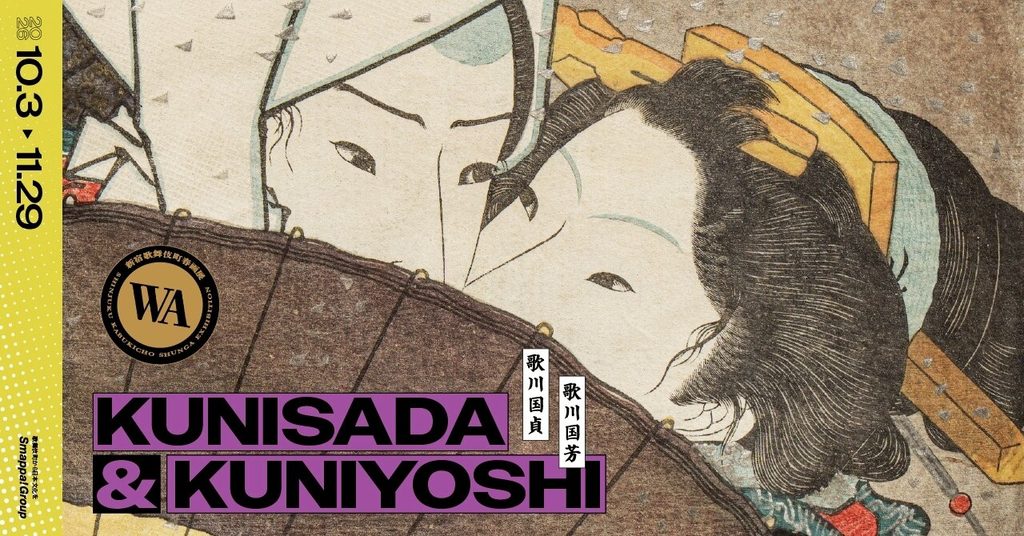
Exhibition Information
Utagawa Kunisada & Utagawa Kuniyoshi — Shinjuku Kabukicho Shunga Exhibition “WA”
Exhibition Dates: October 3 – November 29, 2026
Opening Hours: 11:00 AM – 9:00 PM (Last admission at 8:30 PM)
Venues: Shinjuku Kabukicho Noh Stage / Host Club BOND
Admission: Ages 18 and over
Shunga Tour with Hosts
A two-hour cultural experience combining an exhibition tour with a visit to a Japanese host club.
Dates: Daily throughout the exhibition, except November 2
Departure: 7:00 PM
Duration: Approximately 2 hours (60-minute exhibition tour and 60-minute host club experience)
Price: ¥5,000 per person, including exhibition admission and the first-time host club experience
Payment: Cash on the day
Eligibility: Ages 20 and over, open to all genders
Reservations: Advance booking required
Book the Shunga Tour with Hosts
Visit the Official Exhibition Website
This exhibition and tour involve adult themes. Please check age restrictions and participation conditions before booking.
Continue Exploring Kabukicho
Discover the Chinese literary and artistic influences behind Japanese shunga, then explore another distinctive aspect of contemporary Japanese culture through a guided Kabukicho Host Club Experience.
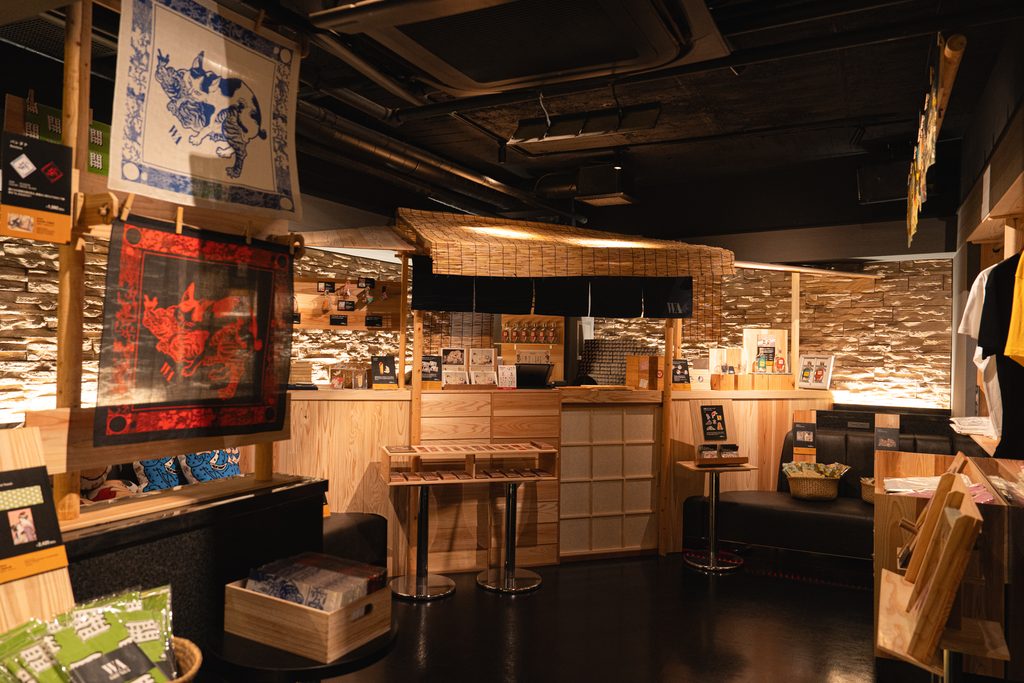
Take a Piece of Kabukicho Home — And Explore Beyond the Exhibition
Your Kabukicho experience doesn’t have to end at the Shunga Exhibition “WA.”
Visit the Kabukicho Information Center (KIC) in BOND Souvenir Shop, a cultural souvenir shop operated by Smappa!Group in a former host club space. Discover original Kabukicho-themed merchandise, unique souvenirs, and another perspective on the neighborhood’s distinctive culture.
Want to go a step further? Join a Kabukicho Host Club Experience and discover one of Japan’s most distinctive forms of nightlife hospitality. With guided support available in English and Chinese, visitors can learn about host club etiquette, enjoy conversation, and experience a side of Kabukicho rarely encountered through ordinary sightseeing.
From Edo-period art to contemporary entertainment, discover the many layers of Kabukicho.
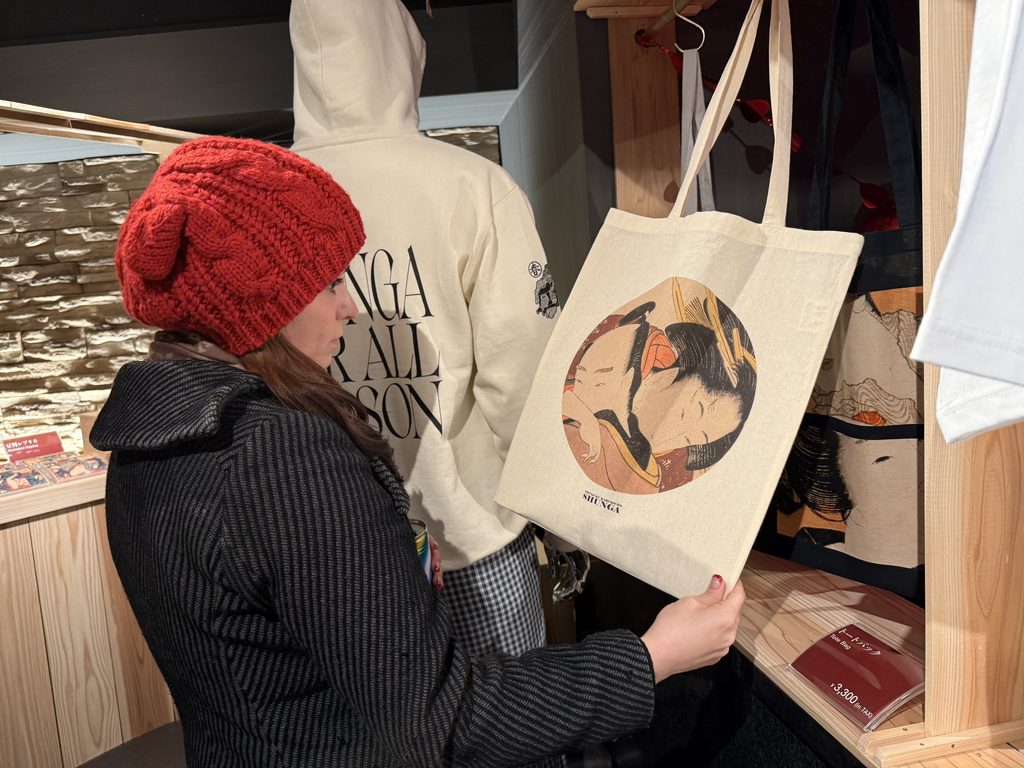
Explore the Kabukicho Information Center: https://kic.tokyo/collections/all
Discover the Kabukicho Host Club Experience: Guided experiences are available by reservation.