Host clubs in Tokyo can be intimidating for foreigners, especially if you don’t speak Japanese or understand how the system works. Concerns about safety, unclear pricing, and language barriers stop many people before they even consider visiting.
The reality is that some host clubs are genuinely foreigner-friendly and easy to navigate, while others are not. Knowing the difference is what makes the experience safe, comfortable, and actually enjoyable.
This guide is written specifically for non-Japanese visitors. It breaks down how host clubs work, where English support is more common, and which clubs are considered safer for first-timers.
What Is a Host Club in Japan?
A host club in Japan is a lounge-style venue where women enjoy drinks and conversation with male hosts. The focus is on companionship and atmosphere, not physical or sexual services.
Host clubs operate legally as entertainment establishments. Pricing is usually time-based, with additional charges for drinks or bottle orders, and many clubs offer set prices for first-time guests.
They are often misunderstood by foreign visitors. Host clubs are not strip clubs or escort services, and most primarily serve Japanese customers, making language and cultural context important.
Understanding this helps make a first visit feel more comfortable and easier to enjoy.
→Understanding this helps make a first visit feel more comfortable and easier to enjoy.
Are Japanese Host Clubs Open to Foreigners?
Entry Rules, ID Requirements, and Why Some Clubs Refuse Foreigners
Foreigners are legally allowed to enter host clubs in Japan, as there is no law restricting entry based on nationality. However, admission is at the club’s discretion.
All host clubs require guests to be at least 20 years old and to present valid photo ID. Passports are generally accepted, but unclear or expired documents may result in refusal.
Some host clubs refuse foreign customers because staff often do not speak English. Clear communication is essential, especially for explaining pricing systems, time limits, and house rules. If staff cannot communicate these clearly, entry may be refused to avoid misunderstandings or disputes.
This is a practical decision, not a legal one, and does not indicate hostility toward foreigners. Choosing a club that is accustomed to serving international guests helps ensure the rules and costs are clearly explained and the experience runs smoothly.
The right club makes the experience clear, safe, and far more enjoyable from the moment you walk in.
Common Misunderstandings Foreigners Have About Host Clubs
One of the biggest misunderstandings is assuming host clubs are sexual or physical in nature. They are not. The core service is conversation, attention, and atmosphere. Guests expecting anything beyond that are likely to be disappointed.
Another common mistake is treating host clubs like Western bars. Pricing systems are different. Time charges, drink minimums, and bottle systems are standard and are explained in well-run clubs. Problems usually occur when guests do not ask questions or visit clubs that are not beginner-friendly.
Language is another major source of confusion. Most host clubs operate entirely in Japanese, and many staff do not speak English. This is normal in Japan, where English fluency is limited. English-friendly host clubs exist, but they are the exception, not the rule.
Because clear communication is essential, some clubs refuse entry if they cannot explain pricing, rules, or expectations properly. This is not discrimination. It is a practical decision to avoid misunderstandings and ensure a safe experience for both guests and staff.
Understanding these points helps set realistic expectations and makes a first visit smoother and more enjoyable.
English-Speaking Host Clubs in Tokyo
Why English Support Is Rare in Host Clubs
English support is uncommon in Japanese host clubs, which often surprises foreign visitors. Overall, fewer than 10% of people in Japan can speak English at a conversational level or higher. Most of those who do work in offices or large companies and do not choose careers in nightlife.
As a result, English-friendly host clubs are the exception. Clubs that welcome foreign guests tend to offer clearer explanations, simpler first-time pricing, and staff experienced in dealing with non-Japanese customers.
Kabukicho for Foreign Visitors
For foreigners interested in host clubs, Kabukicho is the most relevant area in Tokyo. It is the center of the host club scene, with the largest number of established clubs. While most operate in Japanese, Kabukicho is also where the best-known foreigner-friendly host clubs are found.
The advantage of Kabukicho is structure. Well-run clubs usually have clearer rules and more predictable pricing. The challenge is knowing which clubs are suitable for beginners. For first-time visitors, Kabukicho is often the safest and most authentic choice as long as you select a club known to welcome foreigners.
Club Cure Tokyo & Kabukicho – The Most Famous English-Friendly Host Club
Club Cure is one of the best-known host clubs in Kabukicho that openly welcomes foreign visitors. It’s often recommended as a starting point because the system is relatively clear and first-timers are not unusual. While it represents only one style of host club, it offers a controlled introduction for people who want to understand the experience without unnecessary stress.
・Host Club Cure Official Instagram
Atmosphere
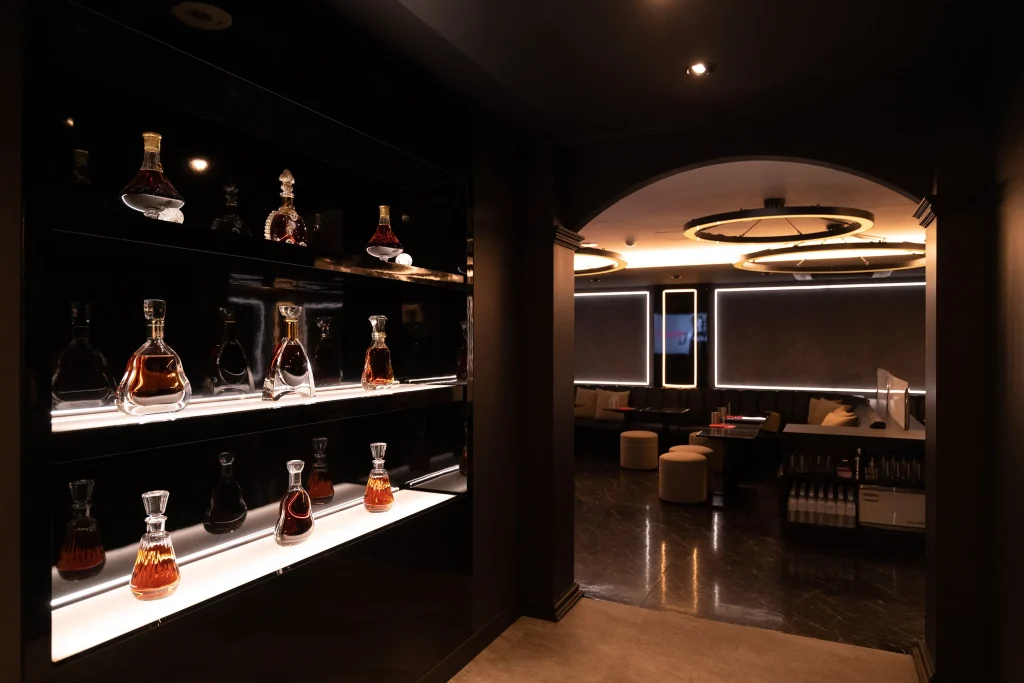
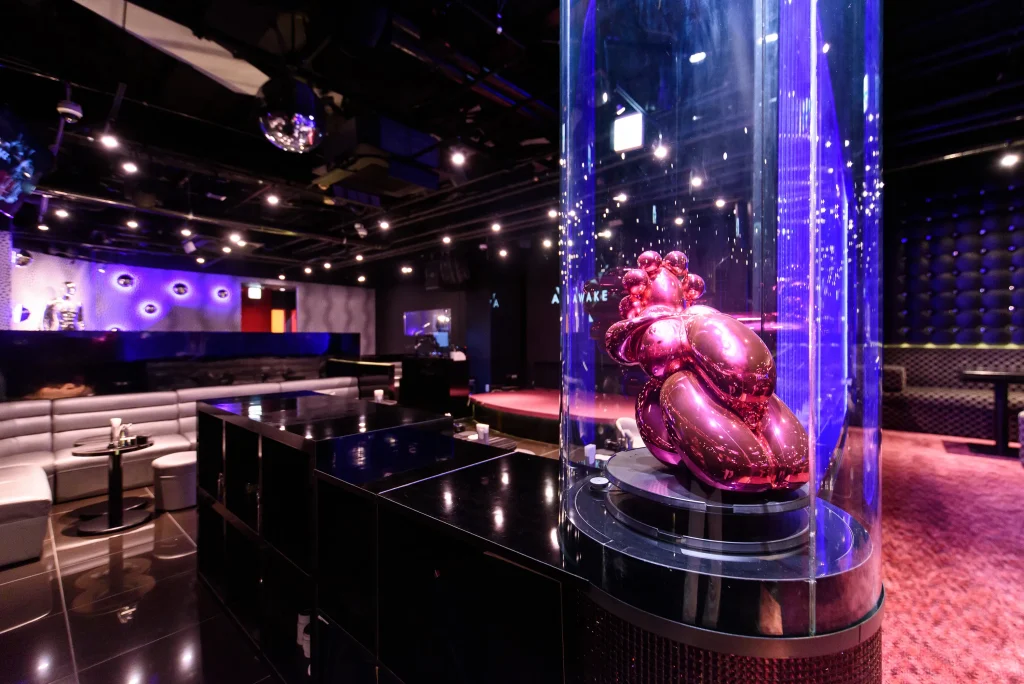
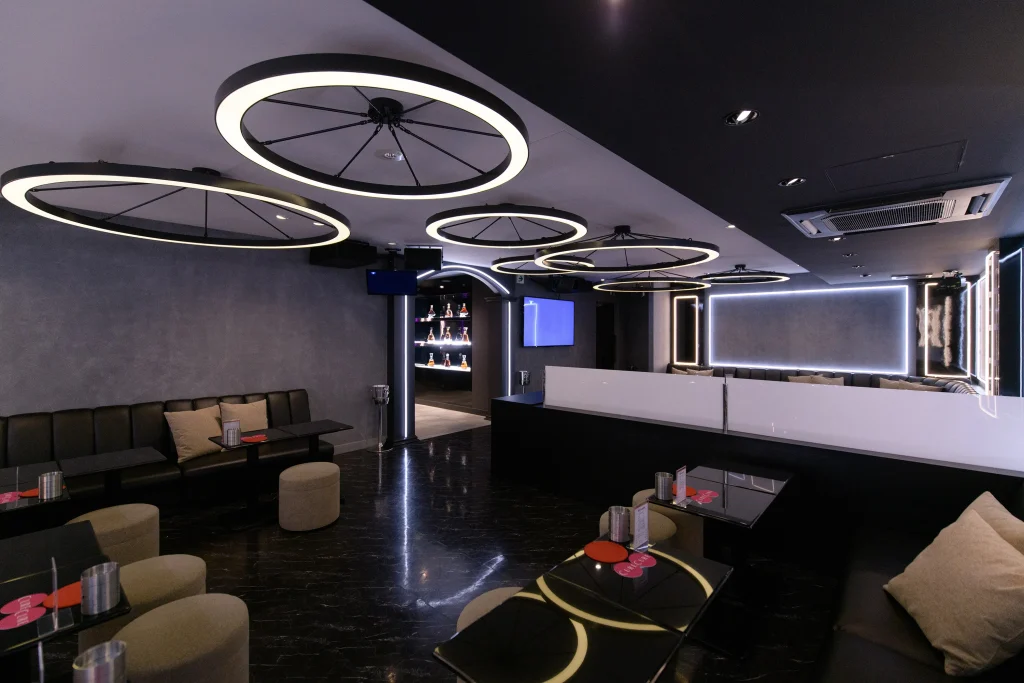
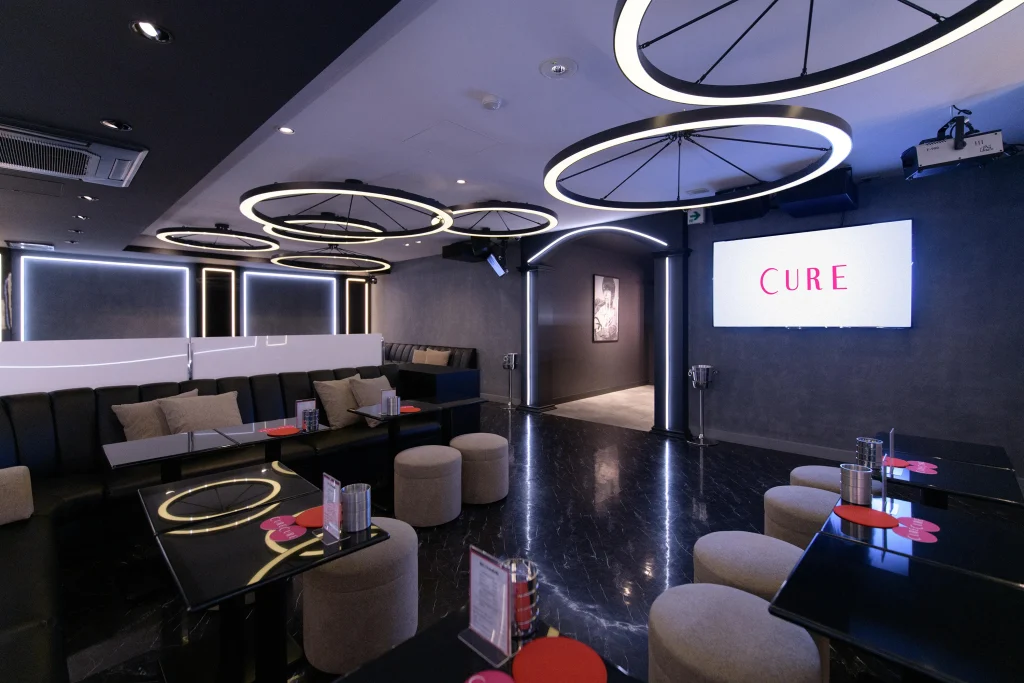
Club Cure is located in Kabukicho, Shinjuku. A Google Map and interior photos are included below so you can see the exact location and atmosphere before visiting.
Location
Host Club CURE – Japan, 〒160-0021, 2-20-9 Kabukicho, Shinjuku-ku, Tokyo, Sankei 75, 7th floor
Pricing (First-Time Guided Options)
・90-minute Guided Host Experience: ¥30,000 (all-you-can-drink)
・90-minute Guided Host Club Wine Experience: ¥50,000 (all-you-can-drink)
These guided options are designed for first-time visitors, making the system and flow of the experience easier to understand.
Walk-in visits without a guide are also possible, but guided options are recommended if you want clearer explanations and a smoother first experience.
→To learn more about Club Cure Tokyo and why it’s popular with foreign visitors, read this article.
Best Host Clubs & Best Hostess Clubs in Tokyo for Foreigners
・Best Host Clubs for Women (Foreign-Friendly)
For foreign women looking to experience a host club in Tokyo, Club Cure is often considered the safest and most approachable option. Located in Kabukicho, Cure is known for handling first-time visitors with clearer explanations and a more controlled atmosphere than many other host clubs.
One reason Cure stands out for foreigners is Club CURE’s star, Keiju; a host known for being fluent in English. Having an English-speaking host makes a real difference not only for conversation, but for understanding pricing, time limits, and the overall flow of the experience. This reduces stress and helps first-time visitors feel more comfortable from the start.
Rather than feeling like a tourist-focused venue, Club Cure operates as a proper host club while still being accessible to non-Japanese guests. For foreigners who want to experience host club culture without language anxiety or unnecessary pressure, Cure and especially hosts like Keiju often becomes the most reliable starting point.
- Best Hostess Clubs for Men (Foreign-Friendly)
For foreign men interested in hostess clubs, Club Haru is often considered an easier starting point. The atmosphere is calm and less aggressive than many traditional hostess clubs, which helps first-time visitors feel more at ease. (Currently, Club Haru does not accept walk-in guests. Visits are only available through guided experiences or prior bookings).
Staff are used to welcoming newcomers, and the overall pacing is relaxed. English support is available upon request wuth several fluent staff. Pricing is based on time and drinks, with extensions available.
For foreigners who want a simple, low-pressure introduction to Tokyo’s hostess club scene, Club Haru offers a more approachable option than many high-end or fast-paced venues.
→If you’d like to learn more about hostess clubs in Japan, read this guide.
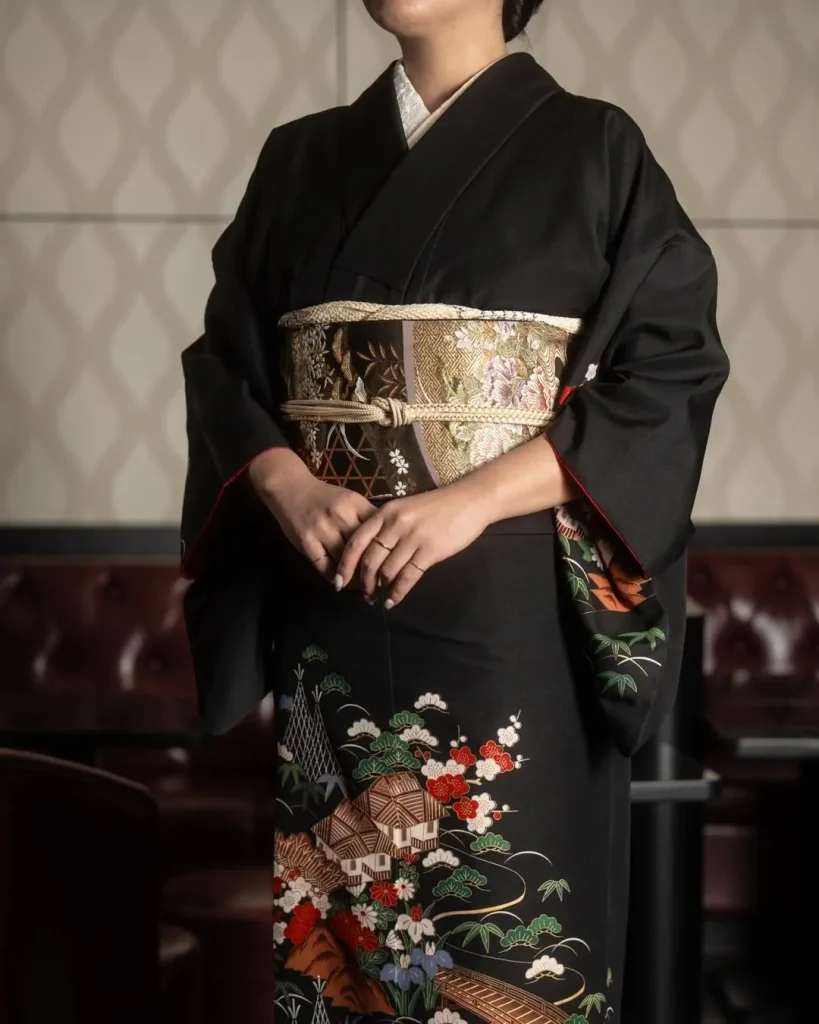
Famous Japanese Hosts & Roland – Who Is the No.1 Host in Japan?
Who Is Roland? The Most Famous Japanese Host
Roland is widely known as the most famous host in Japan, even among people who have never visited a host club. His popularity comes less from nightly club performance and more from media exposure. Through television appearances, books, YouTube, and business ventures, Roland turned the image of a host into a personal brand that reaches far beyond Kabukicho.
However, being the “No.1 host” does not mean there is a single, universal ranking system. Host rankings are usually internal, based on sales within a specific club over a certain period. Titles like “No.1” can change monthly and vary widely from one club to another.
In reality, host club rankings reflect sales performance, not overall fame or skill. Roland represents the peak of visibility, but many top-earning hosts remain unknown outside their own clubs. Understanding this helps separate media image from how the host club world actually works.
→Roland is one of the most famous Japanese hosts. For basic background information,
see his official page.
Can Men Go to Host Clubs in Japan?
Entry Rules for Men and Alternative Options
In most cases, men cannot enter host clubs in Japan alone. Host clubs are traditionally designed for female customers, and this rule applies to both Japanese and foreign men. Even if you are simply curious, entry is usually refused at the door.
There are, however, a few exceptions. Some clubs that actively work with foreign tourists such as Club Cure may accept male visitors as part of a guided or tourist-oriented experience. These cases are not the norm and should not be assumed, but they do exist under specific conditions.
For most foreign men, alternative nightlife options such as hostess clubs, bars, or lounges remain far more accessible and predictable. Understanding these rules in advance helps avoid awkward situations and allows you to plan your Tokyo nightlife more efficiently.

Can a Foreigner Be a Host or Hostess in Japan?
Visa Rules, Legal Restrictions, and Common Myths
In short, most foreigners cannot legally work as hosts or hostesses in Japan. These jobs fall under entertainment-related work, which is not covered by tourist, student, or working holiday visas. Working without the proper visa is considered illegal employment.
A common myth is that short-term or part-time work is allowed but it is not. Only specific statuses of residence make this type of work legally possible. Permanent Residents, Spouses of Japanese Nationals, Spouses of Permanent Residents, and Special Permanent Residents are generally allowed to work without restrictions, including in the nightlife and entertainment industry.
Final Thought – Is Visiting a Host Club in Japan Worth It for Foreigners?
I think visiting a host club in Japan can be worth it but only for the right person, in the right situation. It’s not something I would recommend blindly, and it’s definitely not for everyone.
I feel that many foreigners are drawn to host clubs out of curiosity, yet hesitate because the system feels unclear or intimidating. That hesitation is reasonable. Host clubs are deeply rooted in Japanese culture, and without basic understanding, the experience can easily feel confusing rather than enjoyable.
At the same time, when expectations are realistic and the club is chosen carefully, a host club can be an interesting cultural experience. It’s not about luxury or rankings. It’s about conversation, atmosphere, and seeing a side of Tokyo nightlife that most tourists never experience.
I also think it’s important to know when not to go. If you’re uncomfortable with structured pricing, language barriers, or social nightlife, there’s no need to force the experience. Tokyo has plenty of other ways to enjoy its nights.
For foreigners who value clarity, safety, and context, starting with a foreigner-friendly club or a guided experience makes a real difference. In that case, a host club visit can feel less like a risk, and more like a deliberate choice.
FAQ – Host Clubs in Tokyo for Foreigners
Can a foreigner be a hostess in Japan?
In most cases, no. Hostess work falls under entertainment-related jobs and is not allowed on tourist, student, or working holiday visas. Only Permanent Residents, Spouses of Japanese Nationals, Spouses of Permanent Residents, and Special Permanent Residents can legally work without restrictions.
Does Japan allow foreigners in clubs?
Yes. There is no law banning foreigners from entering clubs or nightlife venues in Japan. However, individual clubs may refuse entry due to language barriers or house rules. This applies to both Japanese and foreign guests and is usually a practical decision, not discrimination.
Are host clubs safe for foreigners?
They can be, but it depends on the club. Well-known, foreigner-friendly host clubs with clear pricing and experience handling first-time visitors are generally safer. Problems usually arise at clubs with unclear systems or poor communication, not from host clubs as a concept.
Do host clubs speak English?
Most host clubs operate entirely in Japanese. English-speaking hosts or staff are rare. Some clubs known to welcome foreign visitors may offer basic English support or clearer explanations, but full English service should not be expected unless specifically stated.
Which hostess bar is best in Tokyo for foreigners?
There is no single “best” option, but clubs like Club Haru are often mentioned as more approachable for foreigners. A calm atmosphere, clear explanations, and experience with first-time guests matter more than luxury or location.
Are hostess clubs still a thing in Japan?
Yes. Hostess clubs remain a major part of Japanese nightlife, especially in cities like Tokyo. While styles and locations have evolved, the basic concept is conversation-based hospitality in a lounge setting. It has remained largely unchanged.
Book a Guided Host Club Experience (Beginner-Friendly & English Support)
