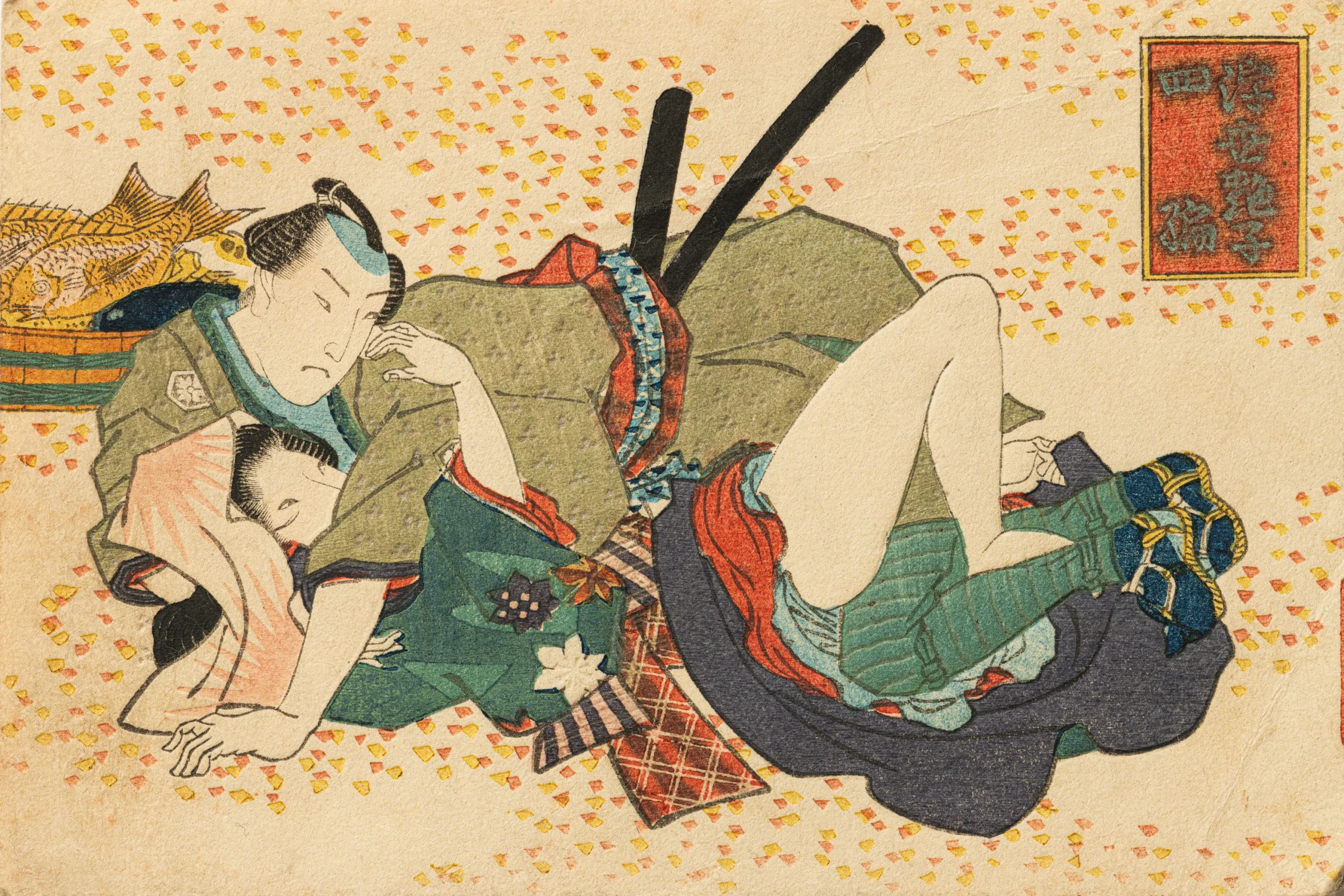
This article explains what ukiyo-e exhibitions in Tokyo offer and how they differ by format. Readers will learn where to see ukiyo-e, how museums and immersive exhibitions compare, and why certain genres matter. By reading this guide, visitors can choose exhibitions that match their interests and expectations.
- What Is Japanese Ukiyo-e?
- Why Ukiyo-e Exhibitions Matter in Japan Today
- Ukiyo-e Museums in Tokyo
- Ukiyo-e Exhibitions and Special Exhibits in Tokyo
- Immersive and Digital Ukiyo-e Art Experiences
- Shunga Within Ukiyo-e: Miniature Prints and Cultural Context
- Final Thoughts
- FAQ About Ukiyo-e Exhibitions in Tokyo
What Is Japanese Ukiyo-e?
Japanese ukiyo-e is a woodblock print art form that flourished during the Edo period. It depicted everyday life, entertainment, travel, and beauty enjoyed by urban communities. Ukiyo-e was affordable, widely distributed, and deeply connected to popular culture.
Ukiyo-e exhibitions in Tokyo often showcase famous landscapes, actors, and scenes of leisure. These works help explain how art functioned as visual media in premodern Japan. Understanding ukiyo-e provides essential context for Japanese exhibitions today.
Ukiyo-e Explained: Origins, Themes, and Edo Culture
The term ukiyo-e means pictures of the floating world in Edo Japan. It referred to a lifestyle centered on pleasure districts, theaters, and seasonal enjoyment. Ukiyo-e artists captured fleeting moments valued by contemporary audiences.
Common ukiyo-e themes include actors, courtesans, landscapes, and daily activities. These images reflected social trends rather than elite ideals. Through ukiyo-e examples, viewers can better understand Edo-period values and visual storytelling.
Why Ukiyo-e Exhibitions Matter in Japan Today
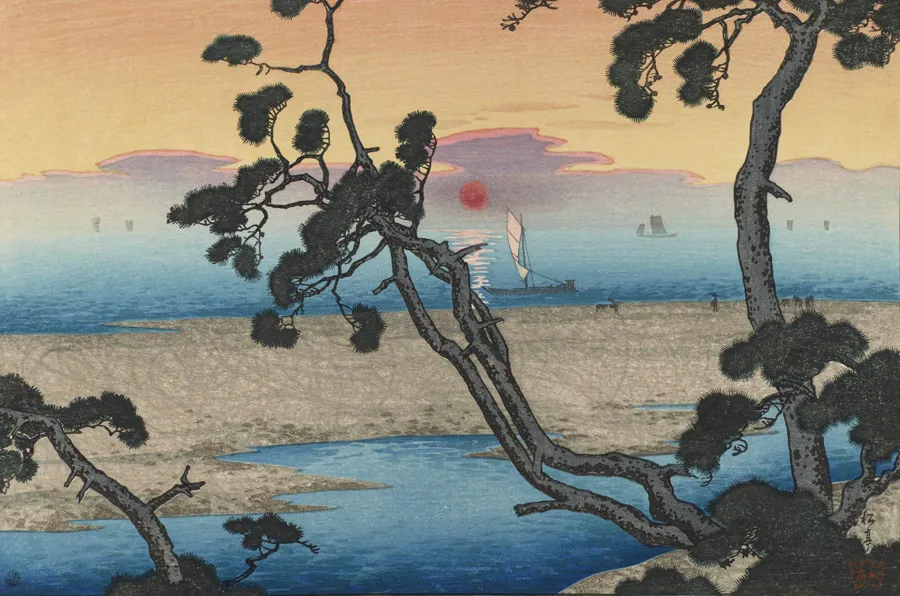
Ukiyo-e exhibitions in Japan connect historical art with contemporary cultural understanding. Viewing original prints in Japan adds context impossible to replicate elsewhere. These exhibitions highlight ukiyo-e as living culture rather than distant heritage.
Tokyo museums present ukiyo-e within the places where the culture developed. Exhibitions also respond to global interest in Japanese art and visual storytelling. This local context explains why ukiyo-e exhibitions remain meaningful in Japan today.
Seeing ukiyo-e exhibitions locally deepens appreciation beyond images found online. This experience helps visitors understand Japan’s ongoing relationship with ukiyo-e traditions.
Ukiyo-e Museums in Tokyo
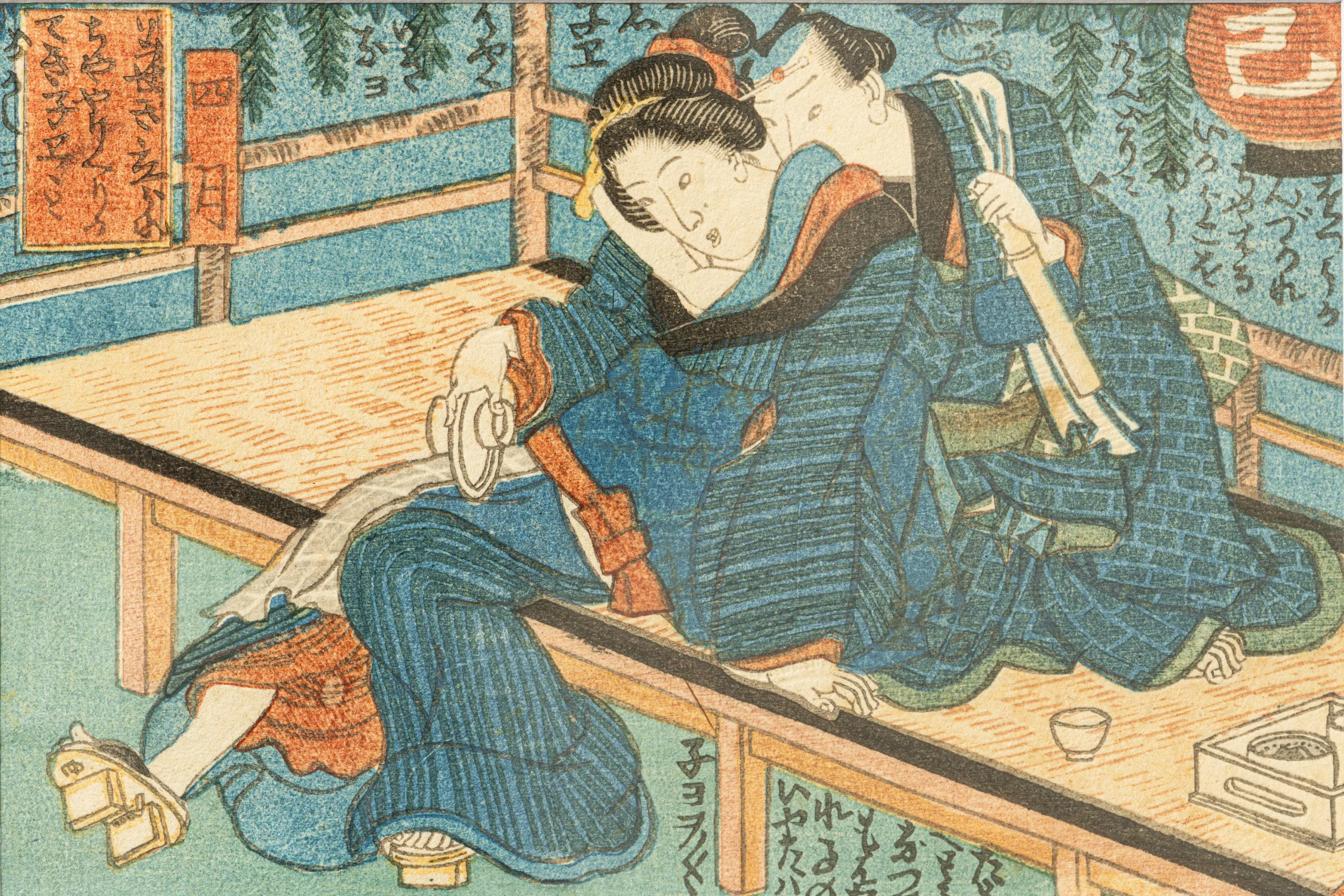
Tokyo is home to several museums dedicated to ukiyo-e and Japanese print culture. These institutions preserve original works while providing historical explanations for modern audiences. Visiting ukiyo-e museums in Tokyo helps viewers understand how prints functioned within everyday Edo life.
Many ukiyo-e museums focus on famous artists, themes, and printing techniques. Others introduce lesser-known genres through rotating exhibitions. Together, they form a diverse landscape for exploring ukiyo-e in Tokyo.
Major Ukiyo-e Tokyo Museums to Visit
Major ukiyo-e museums in Tokyo include both long-established institutions and smaller exhibition spaces. Some museums emphasize canonical masters like Hokusai and Hiroshige. Others present focused exhibitions exploring specific themes or formats.
Alongside public museums, independent exhibitions also contribute to Tokyo’s ukiyo-e scene. These smaller venues sometimes highlight intimate or specialized works rarely shown elsewhere. Such exhibitions quietly expand how ukiyo-e is understood today.
Ukiyo-e Exhibitions and Special Exhibits in Tokyo
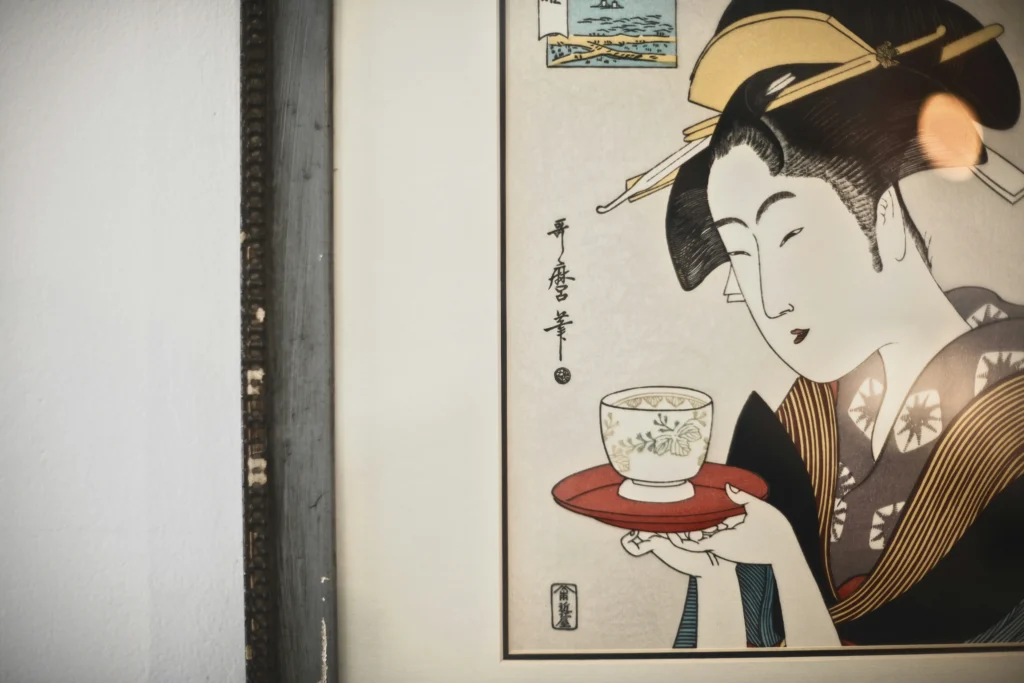
Tokyo hosts a wide range of ukiyo-e exhibitions throughout the year. These include traditional museum shows, immersive digital art exhibitions, and focused thematic exhibits. Together, they demonstrate how ukiyo-e continues to be reinterpreted in Tokyo today.
Ukiyo-e exhibitions in Tokyo allow visitors to experience prints through different formats and perspectives. From academic displays to experimental presentations, the city offers diverse ways to engage with ukiyo-e culture.
Current Ukiyo-e Exhibits and Rotating Shows
Several notable ukiyo-e exhibitions currently represent Tokyo’s diverse exhibition landscape.
・Ota Memorial Museum of Art: regularly presents rotating ukiyo-e exhibitions focused on artists, themes, and historical context.
・TOKYO Ukiyoe Immersive Art Exhibition: reimagines ukiyo-e through large-scale digital and immersive installations.
・Shinjuku Kabukicho Shunga Exhibition: highlights intimate shunga works within a focused exhibition environment. The next Shunga and Ukiyo-e exhibition is scheduled from April 4th to May 31st.
Together, these exhibitions show how ukiyo-e can be experienced through both traditional and contemporary approaches in Tokyo.
Looking for tickets to ukiyo-e exhibitions in Tokyo? You can check current availability through a trusted booking platform.
Immersive and Digital Ukiyo-e Art Experiences
Immersive and digital ukiyo-e exhibitions have become increasingly popular in Tokyo. These exhibitions reinterpret traditional prints using projection, sound, and large-scale installations. They attract visitors seeking visually dynamic art experiences.
Digital ukiyo-e exhibitions often emphasize movement, scale, and atmosphere. Rather than focusing on individual prints, they create environments inspired by ukiyo-e imagery. This approach introduces ukiyo-e to audiences unfamiliar with traditional museum settings.
As part of Tokyo’s art scene, immersive ukiyo-e experiences exist alongside classical exhibitions. Together, they show how ukiyo-e continues to inspire new forms of expression.
Moving Ukiyo-e and Immersive Art Exhibitions
Moving ukiyo-e exhibitions reinterpret traditional woodblock prints through motion, light, and sound. Static images are enlarged, animated, and layered to create immersive visual environments. This approach emphasizes atmosphere and emotional response rather than close material study.
Immersive ukiyo-e art exhibitions in Tokyo often focus on well known motifs and artists. Movement guides visitors through themed spaces inspired by historical imagery. These exhibitions offer an accessible introduction to ukiyo-e for contemporary audiences.
While visually striking, moving ukiyo-e experiences differ from traditional museum displays. They prioritize sensory impact over original materials. Understanding this distinction helps visitors choose suitable ukiyo-e exhibitions in Tokyo.
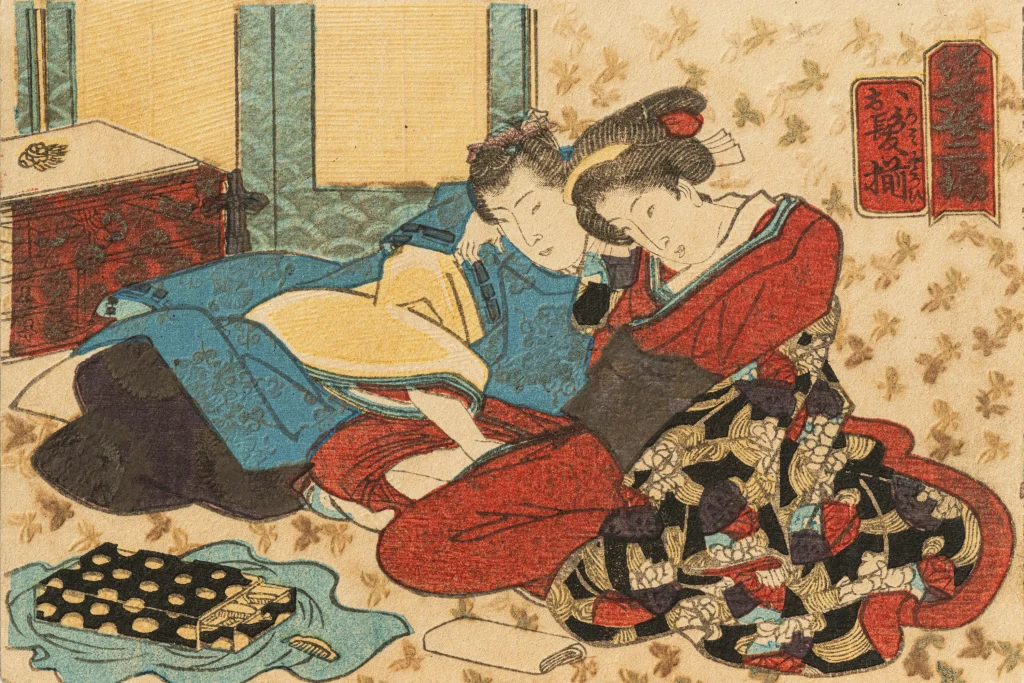
Shunga Within Ukiyo-e: Miniature Prints and Cultural Context
Shunga developed as an integral genre within the broader ukiyo-e tradition. It depicted intimacy and humor as natural aspects of everyday Edo life. These works existed alongside landscapes and actor prints.
Rather than being separate, shunga reflected the same artistic values as other ukiyo-e forms. This shared foundation places shunga firmly within Japanese visual culture. It allows exhibitions to present shunga as historical expression, not sensational imagery.
Shunga as Art, Not Pornography
Historically, shunga was valued for craftsmanship, symbolism, and narrative composition. Artists used exaggeration and humor to express emotional connection. These qualities distinguish shunga from explicit imagery.
During the Edo period, shunga circulated across social classes as gifts and personal items. Modern exhibitions present shunga as cultural artifacts. Curatorial framing emphasizes history and artistic intent.
What Are Mameban (Miniature) Shunga Prints?
Mameban shunga are bean-sized ukiyo-e prints produced during Japan’s Edo period. Their small format was designed for intimate, close viewing. Despite their size, they required advanced technical skill.
Artists adjusted composition and line work for clarity at close range. Many mameban shunga were sold as affordable sets. This accessibility supported wide circulation and personal engagement.
Why Miniature Shunga Are Rare Today
Miniature shunga were created for private enjoyment rather than preservation. Frequent handling caused damage and loss over time. Many examples disappeared entirely.
Erotic content also limited institutional collection. As a result, surviving mameban shunga are now rare cultural materials. Exhibitions offer valuable opportunities to encounter these fragile works.

Final Thoughts
In my opinion, ukiyo-e exhibitions in Tokyo offer the most honest way to understand Japanese visual culture. Seeing original works, rather than images online, changes how ukiyo-e is perceived. I think this difference becomes especially clear when viewing intimate genres like shunga.
I feel that exhibitions provide context books and screens cannot replace. The scale, materials, and viewing distance all matter. These details shape how ukiyo-e was originally experienced.
From what I have seen, understanding ukiyo-e through exhibitions deepens appreciation far beyond surface-level knowledge. It turns historical prints into lived cultural experiences.
If you are ready to experience ukiyo-e exhibitions in Tokyo, you can check ticket availability here.
FAQ About Ukiyo-e Exhibitions in Tokyo
Where can I see ukiyo-e in Japan?
Ukiyo-e can be seen at museums and exhibitions across Japan. Tokyo offers the widest range of ukiyo-e museums, special exhibits, and immersive experiences. Viewing ukiyo-e in Japan provides historical and cultural context unavailable elsewhere.
What is the best ukiyo-e museum in Tokyo?
There is no single best ukiyo-e museum for every visitor. Some museums focus on classical masters, while others highlight specific themes or formats. The best choice depends on individual interests and exhibition timing.
What are the immersive ukiyo-e exhibition in Tokyo?
Immersive ukiyo-e exhibitions reinterpret traditional prints using digital projection and sound. These experiences emphasize movement and atmosphere rather than original materials. They differ from traditional museum displays focused on close viewing.
How are ukiyo-e exhibitions different from teamLab Tokyo?
Ukiyo-e exhibitions are based on historical artworks and cultural context. teamLab creates original digital installations without historical source material. Both are immersive, but their artistic purposes are different.
Are shunga exhibitions appropriate for children?
Shunga exhibitions include adult themes related to intimacy and relationships. They are presented in historical and artistic contexts, not for explicit entertainment. Families with children should review exhibition information carefully before visiting. Many Shunga exhibitions are 18+.