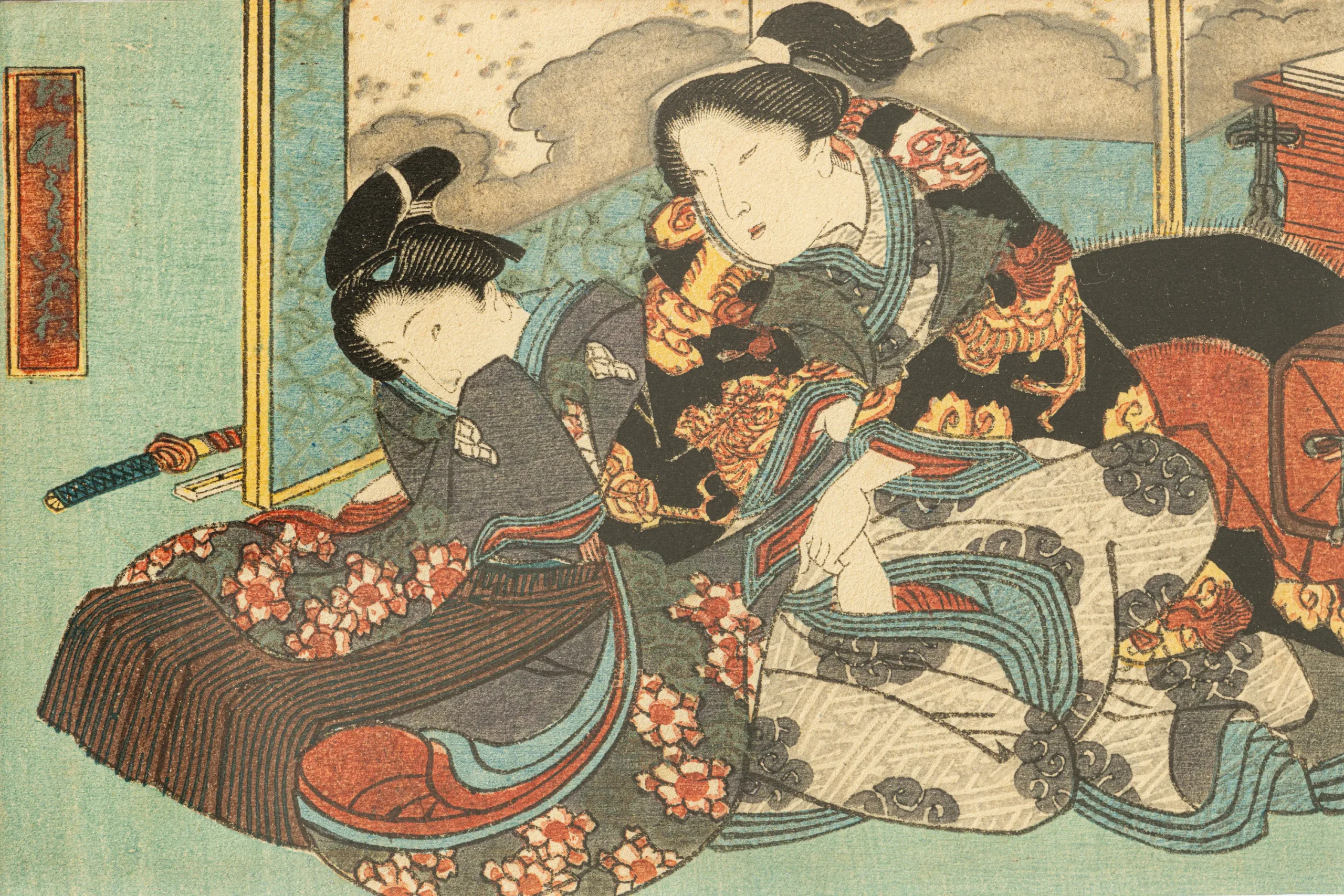
Shunga art represents an important chapter in Japanese visual culture, reflecting the creativity and social atmosphere of the Edo period. Once widely circulated and occasionally regulated, these prints reveal humor, craftsmanship, and everyday life within early modern Japan.
Today, shunga can be experienced through carefully curated exhibitions in Tokyo, offering visitors a rare opportunity to view these historical works firsthand. As such exhibitions are often limited-time events, planning ahead is essential for those wishing to explore this distinctive aspect of Japanese art.
- What Is Shunga Art?
- Origins of Shunga in Edo-Period Japan
- Shunga and Ukiyo-e: Artistic Techniques and Themes
- Why Shunga Was Widely Circulated in Edo Society
- How Japanese Museums Present Shunga Today
- How to View Shunga Art Respectfully in Museums
- Where to See Shunga Art in Japanese Museums
- Final thought
- FAQ About Viewing Shunga Art in Japan
What Is Shunga Art?
Shunga art refers to a genre of Edo-period Japanese woodblock prints and illustrated books closely connected to ukiyo-e. Although often classified as erotic imagery, shunga also reflects humor, storytelling, and everyday life within early modern Japanese society. These works were widely enjoyed by the public, even as they faced periodic moral regulation by the Tokugawa authorities.
From the mid-17th century onward, official bans attempted to restrict licentious publications, including shunga, particularly during the Kyōhō, Kansei, and Tenpō reforms. Despite these measures, shunga continued to circulate discreetly and remained culturally significant. Today, it is studied and exhibited in museums worldwide as an important record of Edo-period visual culture.
→About Ukiyo-e Exhibition Tokyo
Origins of Shunga in Edo-Period Japan
The Rise of Woodblock Printing Culture
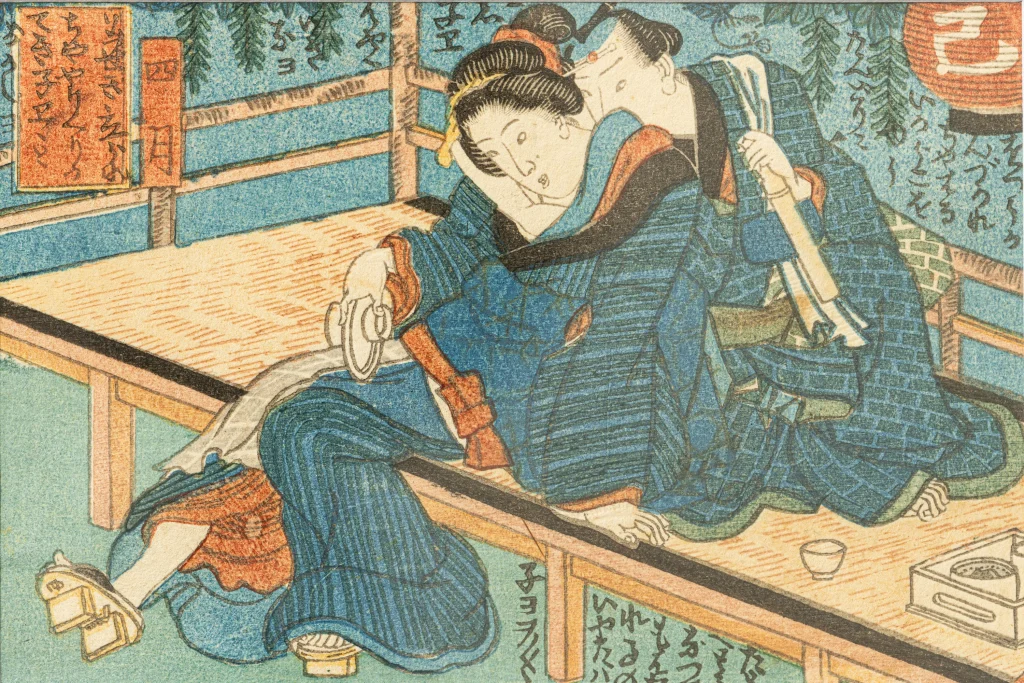
Shunga emerged in Edo-period Japan alongside the rapid development of woodblock printing technology. This technique allowed artists and publishers to reproduce images efficiently, making illustrated books and prints affordable and widely accessible.
Urban centers such as Edo, Osaka, and Kyoto supported a growing reading public interested in visual entertainment and literature. Within this environment, shunga became part of the same commercial networks that distributed ukiyo-e, sharing printing methods, publishers, and audiences.
The expansion of woodblock printing was therefore essential to shunga’s spread and cultural visibility.
Shunga and Ukiyo-e: Artistic Techniques and Themes
Composition, Symbolism, and Visual Humor
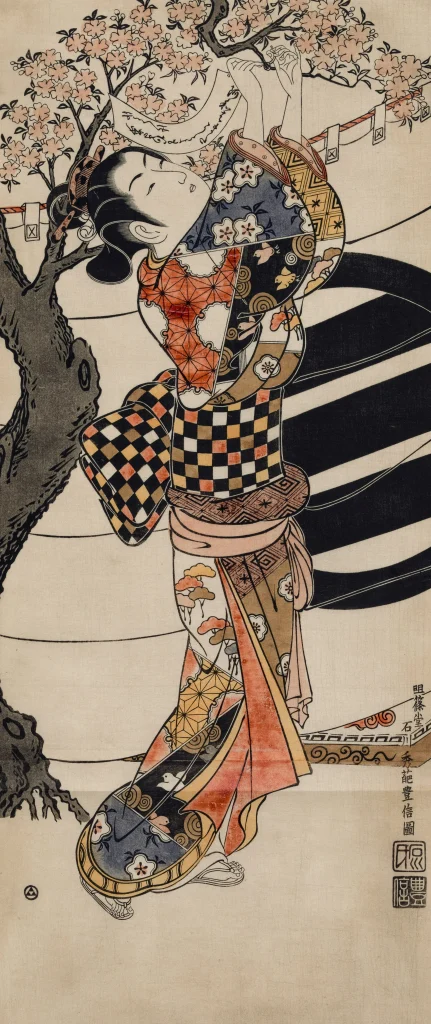
Shunga shares core artistic techniques with ukiyo-e, including dynamic composition, refined line work, and a careful balance of visual elements. Although it often depicted explicit sexual themes that were subject to moral scrutiny and periodic censorship, artists frequently employed exaggerated gestures, expressive facial features, and symbolic motifs to convey emotion and narrative depth.
Visual humor played a central role, encouraging viewers to engage closely with each image. Through suggestion, wit, and visual metaphor rather than direct explanation, shunga communicates layered meanings, making each work both visually rich and open to interpretation.
Famous Artists Associated with Shunga
Many prominent ukiyo-e artists, such as Katsushika Hokusai and Kitagawa Utamaro, produced shunga alongside landscapes, portraits, and genre scenes. Their participation shows that shunga was part of mainstream artistic practice rather than a separate category.
For these artists, shunga offered a space to explore composition, human interaction, and visual storytelling with greater freedom, using the same technical skill and aesthetic standards seen in their other well-known works.
Before planning your visit, you can check current exhibition dates and availability for the Shunga exhibition in Shinjuku.
Why Shunga Was Widely Circulated in Edo Society
Shunga spread widely in Edo society because it aligned with the tastes of urban popular culture and circulated through established commercial publishing networks. Produced by publishers and sold alongside other illustrated books, it was exchanged, gifted, and widely accessible.
Despite periodic bans and moral regulation, shunga remained in active circulation. Rather than existing solely as underground material, it functioned as a familiar part of everyday visual culture and persisted as a recognized cultural form in early modern Japan.
How Japanese Museums Present Shunga Today
Curatorial Choices and Exhibition Context
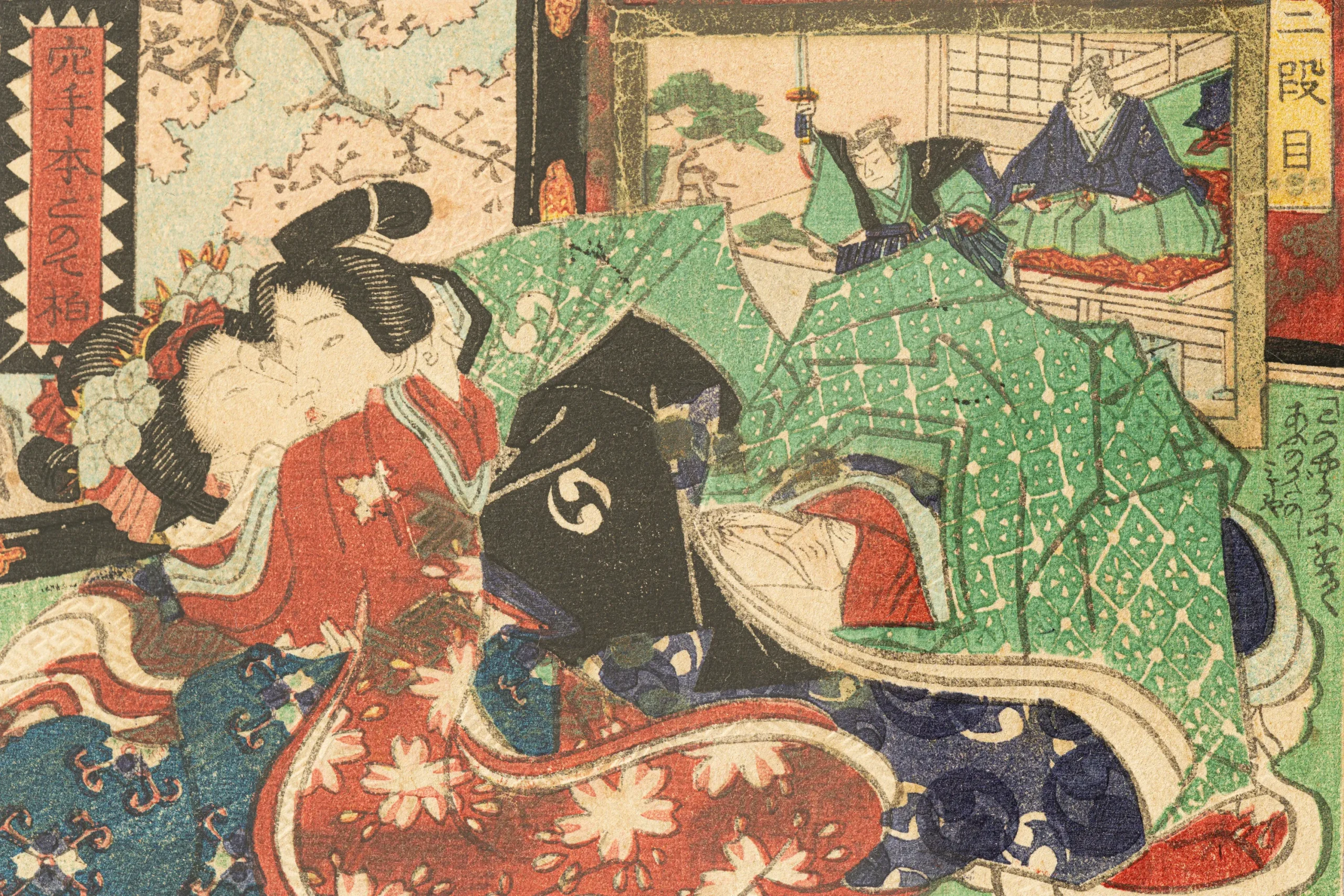
Japanese museums present shunga within carefully framed historical and artistic contexts. Rather than isolating individual images, curators often emphasize publishing history, artistic technique, and social background. Explanatory panels provide visitors with cultural context, allowing the works to be understood as part of Edo-period visual culture.
Lighting, placement, and selective display are also used to guide interpretation, encouraging thoughtful viewing rather than sensational reactions.
Differences Between Domestic and Overseas Exhibitions
Exhibitions in Japan and overseas often differ in emphasis and presentation. Overseas institutions such as the British Museum tend to focus on well-known works by recognized artists, presenting shunga through selected masterpieces that fit broader narratives of Japanese art history and global collections.
In contrast, Japanese museums often display a wider range of material, from works by famous artists to anonymous or lesser-known examples. This approach allows visitors to examine shunga in greater detail, including variations in style, production, and everyday use, offering a more comprehensive view of how shunga functioned within Edo-period society.
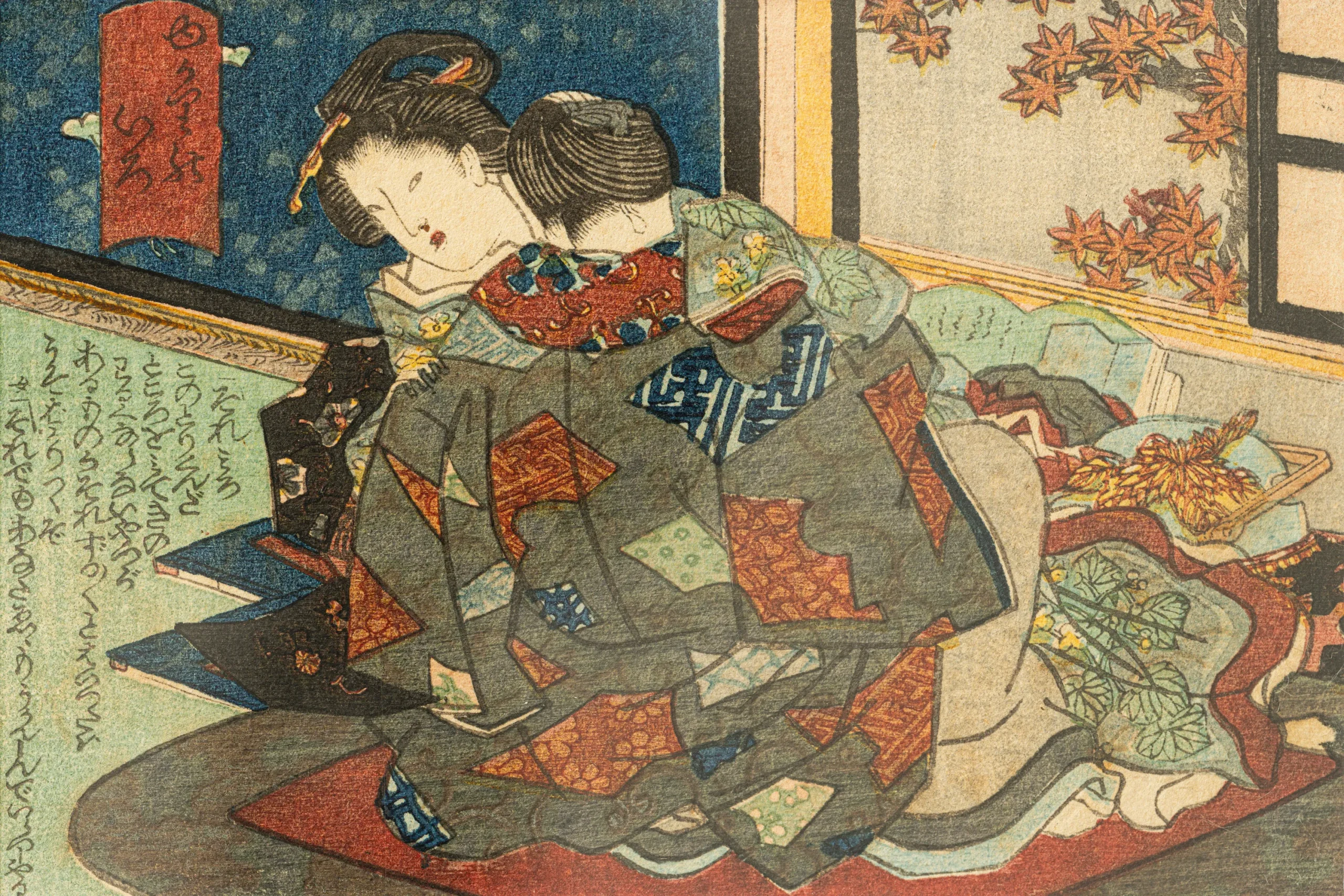
How to View Shunga Art Respectfully in Museums
Cultural Context to Know Before Viewing
Before viewing shunga, it is helpful to understand the cultural environment of Edo-period Japan. Shunga emerged within a society where visual humor, symbolism, and storytelling were central to popular culture.
Although often labeled as sensual or obscene by later standards, these works were closely connected to everyday life and circulated openly alongside other illustrated books and prints, rather than existing as a separate or hidden genre.
Museum Etiquette and Age Restrictions
Museums present shunga with specific guidelines to ensure appropriate viewing. Exhibitions may include age restrictions, controlled access, and advisory notices, while photography and viewing distances are often regulated to protect fragile materials.
Visitors are encouraged to follow museum guidance and read interpretive panels carefully. Understanding the historical context allows viewers to move beyond modern assumptions and appreciate shunga as a reflection of social values, artistic skill, and visual communication in Edo-period Japan.

Where to See Shunga Art in Japanese Museums
Major Museums and Exhibitions in Japan
Shunga art in Tokyo is typically viewed through special exhibitions rather than permanent museum displays. In Japan, shunga may be presented in museums dedicated to Japanese art and print culture.
In Tokyo, the Shinjuku Kabukicho Shunga Exhibition provides opportunities to encounter shunga in a contemporary exhibition setting. Because these displays are often limited-time events, checking exhibition schedules in advance is recommended. The next Shunga and Ukiyo-e exhibition is scheduled from April 4th to May 31st.
→Shinjuku Kabukicho Shunga Exhibition
The Ota Memorial Museum of Art does not exhibit shunga, but its extensive ukiyo-e collection offers valuable context for understanding the artistic background closely connected to shunga.

Final thought
In my opinion, shunga is one of the most revealing forms of Japanese art, offering insight into everyday life, values, and visual culture of the Edo period. I think museum exhibitions provide the best environment to understand shunga beyond surface impressions, through historical context and careful curation.
I feel that anyone interested in Japanese art, or in cultural experiences that can only be seen in Japan, will find real value in viewing shunga firsthand in Japanese museums.
If you are planning to visit Tokyo, checking current exhibition schedules ensures you do not miss the opportunity to see shunga in person.
If you would like to experience shunga in Tokyo, securing your ticket in advance ensures access to this limited-time exhibition.
FAQ About Viewing Shunga Art in Japan
What is shunga art?
Shunga art is a genre of Japanese woodblock prints and illustrated books that developed mainly during the Edo period. Closely related to ukiyo-e, shunga reflects everyday life, humor, relationships, and visual storytelling in early modern Japan. Today, it is studied as an important part of Japanese art history rather than a marginal genre.
Is shunga always displayed in Japanese museums?
No. Shunga is usually not part of permanent museum collections in Japan. It is most often shown through special or temporary exhibitions, which may only be held for limited periods. Checking official exhibition information in advance is essential.
Can I see shunga at the Ota Memorial Museum of Art in Tokyo?
No. The Ota Memorial Museum of Art does not exhibit shunga. The museum focuses on ukiyo-e and provides important background for understanding the artistic techniques and visual culture closely connected to shunga.
Where can I see shunga art in Tokyo?
In Tokyo, shunga can be seen at the Shunga exhibitions held in Shinjuku Kabukicho. These exhibitions provide rare opportunities to view shunga directly, often presenting a wide range of works within curated exhibition spaces. As they are usually limited-time events, checking schedules in advance is strongly recommended.
Are there age restrictions for shunga exhibitions?
Some shunga exhibitions apply age restrictions, controlled entry, or advisory notices depending on the venue. Details vary by exhibition, and visitors should follow on-site guidance and official announcements.
How should visitors approach shunga in a museum or exhibition setting?
Visitors are encouraged to view shunga with an understanding of its historical and cultural background. Reading explanatory panels and observing exhibition etiquette helps place the works within Edo-period society and artistic practice, rather than interpreting them solely through modern perspectives.