Host club Hostess club Ukiyo-e
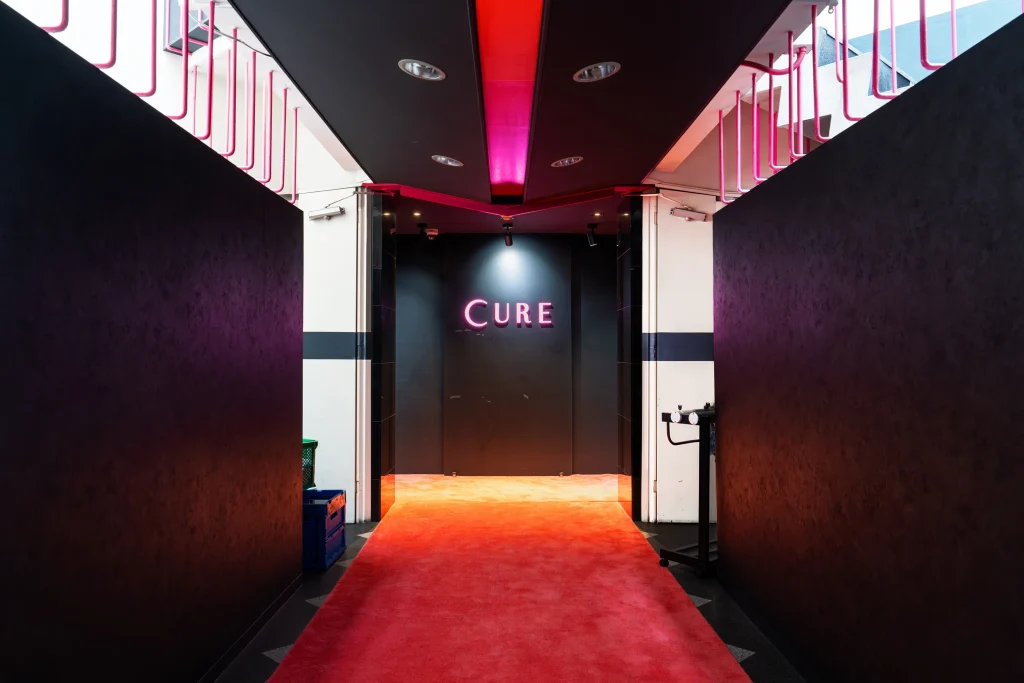
Many first-time visitors are curious about Japanese host clubs, but feel confused by unclear pricing, language barriers, and safety concerns. Questions like “What is a Japanese host club?”, “How much does it cost?”, and “Is it dangerous for foreigners and tourists?” are common, yet reliable English information is limited.
This guide answers all of those questions clearly and honestly. You will learn what happens inside a real host club, how the pricing system works, how much hosts earn, the risks to be aware of, and how tourists can visit safely. By the end, you will know whether a Japanese host club experience is right for you and how to enjoy it without stress.
What Is a Japanese Host Club? (Meaning & Basic System)
A Japanese host club is a nightlife venue where male hosts entertain female customers through conversation and drinking. When people search for “what is a Japanese host club” or “Japanese host club meaning,” the key point is that host clubs sell emotional companionship, not sexual services. Legally, a Japanese host club is classified as a food and beverage business, and income is generated mainly from drink orders and bottle sales.
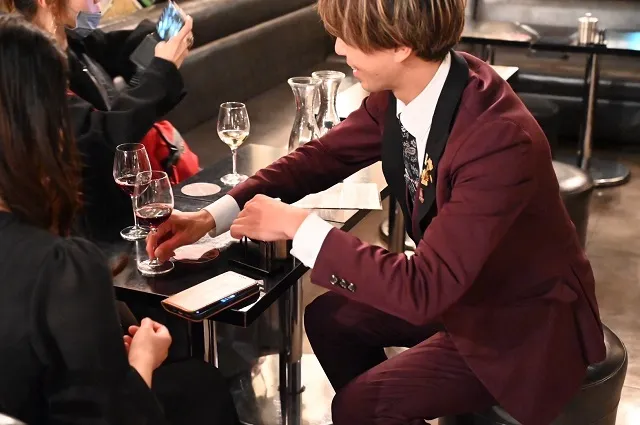
What Happens Inside a Host Club in Real Life
In real life, a Japanese host club visit begins with a system explanation, followed by host nomination (shimei) from photos or short introductions. Guests then drink and talk with their chosen host, while additional drinks and bottles increase the bill. When people search “host club in real life” or “what happens in a host club,” the reality is a time-based, drink-driven emotional entertainment service.
Host Club vs Hostess Club vs Kyabakura in Japan
Host Club in Japan
A Japanese host club is a nightlife venue where male hosts entertain female customers through conversation, drinking, and emotional attention. Guests choose a host by photo or first impression, then spend time talking and ordering drinks together. The business model depends on time-based charges and expensive bottle sales, not physical services.
Hostess Club (also known as Kyabakura)
A hostess bar in Japan, commonly called a kyabakura, is the counterpart to a host club. Female staff entertain male customers by chatting, pouring drinks, and creating a friendly, flirtatious atmosphere. Like host clubs, kyabakura are legally classified as drinking establishments, and sexual services are prohibited by law.
The word “kyabakura” comes from shortening “cabaret” (kyabare → kyaba) and “club” (kura). Japan once had Western-style cabaret clubs with stage shows in the mid-20th century, but most disappeared over time. The slang “kyaba” remained in nightlife vocabulary and was later applied to modern hostess bars. As a result, kyabakura today has no connection to cabaret shows—the term now refers exclusively to hostess bars
→For a detailed explanation of hostess bars and Kyabakura in Japan, please see this article.

How Much Does a Japanese Host Club Cost?
The cost of a Japanese host club varies by location and spending style. A typical first-time set ranges from ¥5,000–¥100,000 for 60–90 minutes. Regular visits become expensive due to table charges, drink fees, bottle orders, and extension fees. Ordering champagne can raise the total to tens or even hundreds of thousands of yen in one night.
How Much Do Japanese Host Clubs Pay Their Hosts?
Japanese host salaries are almost entirely commission-based, meaning income depends on drink and bottle sales rather than fixed wages. While mid-level hosts may earn ¥300,000–¥800,000 per month, many beginners struggle to earn consistently. Only a small elite, such as ROLAND, reach multi-million-yen monthly incomes. The job also involves long hours, heavy drinking, and high burnout rates.
Who Is the Most Famous Japanese Host?
The most famous Japanese host is widely considered to be ROLAND, often called the “King of Hosts.” He gained national and international recognition through television, books, and his record-breaking income as a top host in Tokyo’s Kabukicho district. In the host club industry, fame is tied to individual hosts rather than club names, making personal branding the true source of success.
→You can find more information about the most famous Japanese host here.
Are Japanese Host Clubs Dangerous?
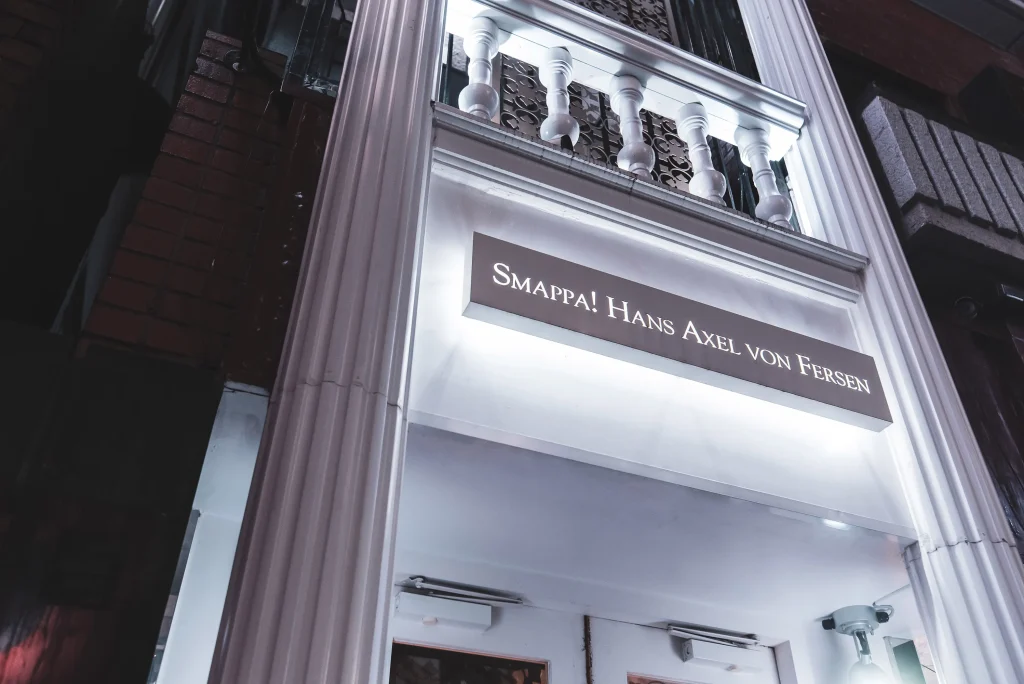
Japanese host clubs are legal, but they can become financially and emotionally risky if the pricing system is misunderstood. Common dangers include unexpected high bills, alcohol overconsumption, and emotional dependency. Because fees increase through bottle orders and time extensions, some customers face serious debt problems. The industry itself is legal, but misuse and over-spending are the main risks.
Can Foreigners and tourists Visit Japanese Host Clubs?
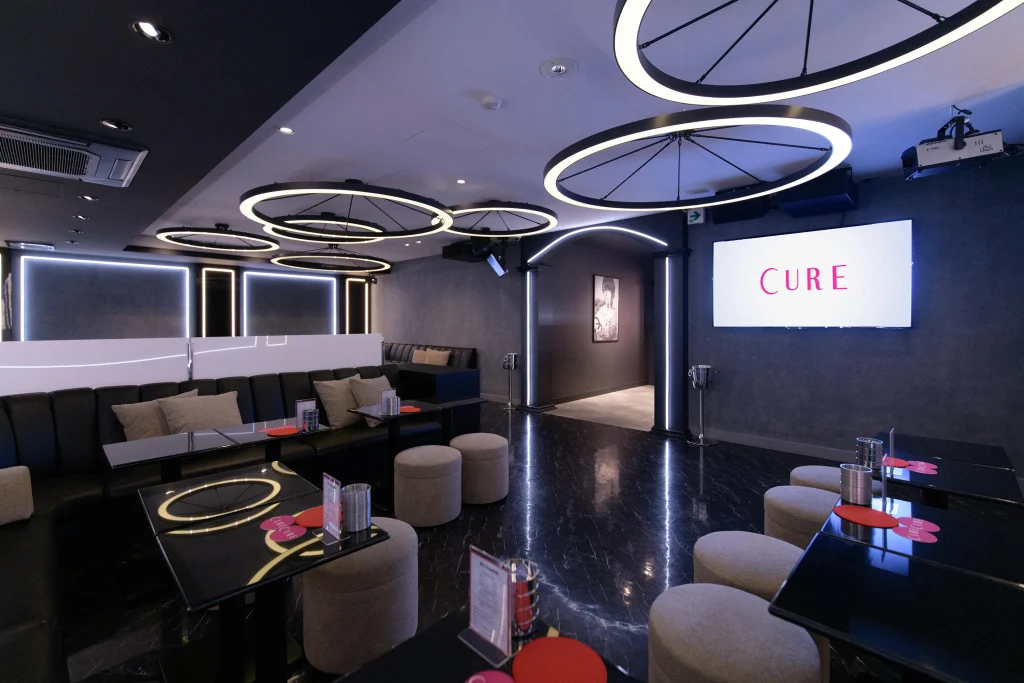
Foreigners can visit Japanese host clubs, but most clubs operate only in Japanese and use complex pricing systems, which can easily cause misunderstandings. For first-time visitors, guided host club experiences at venues like Host Club Cure in Shinjuku offer a safer option, with clear pricing and on-site support in English. This allows visitors to experience host club culture without financial risk or language barriers.
→ Experience a guided visit to Host Club Cure with full support here.
Final Thoughts: What First-Time Visitors Should Know
I think Japanese host clubs can be fascinating, but even as a Japanese local, I still feel nervous about visiting without clear information on pricing. I feel most problems come from unclear systems and language barriers, not from the legality of the experience itself. That is why I strongly recommend venues with transparent pricing and guided experiences, such as Host Club Cure, for first-time visitors who want to enjoy Tokyo nightlife safely and without stress.
FAQ
What is a Japanese host club?
→A Japanese host club is a nightlife venue where male hosts entertain female customers through conversation and drinking. It is legally classified as a food and beverage business in Japan, and sexual services are not permitted as part of the club’s business under Japanese law. The experience centers on emotional companionship and luxury hospitality.
How much does a Japanese host club cost in Tokyo?
→For first-time visitors, a trial set usually costs ¥5,000–¥100,000 for 60–90 minutes. Regular visits can become much more expensive due to table charges, drink fees, bottle orders, and time extensions, which can raise the total to tens or even hundreds of thousands of yen. Most host clubs do not offer English support, so for beginners, a guided experience with clear pricing is strongly recommended to avoid misunderstandings.
Are Japanese host clubs dangerous?
→Japanese host clubs are legal, but they can be financially and emotionally risky if the pricing system is misunderstood. The main dangers are unexpected high bills, excessive drinking, and emotional dependency. Most problems come from unclear pricing rather than illegal activity.
Can foreigners and English-speakers visit Japanese host clubs?
→Yes, foreigners and tourists can enter Japanese host clubs, but most clubs operate only in Japanese and use complex pricing systems. Because of this, misunderstandings are common. For first-time visitors, a guided host club experience with English support is strongly recommended for safety and clarity.
Who is the most famous Japanese host?
→The most famous Japanese host is ROLAND, often called the “King of Hosts.” He became widely known through media appearances and his record-breaking income in Tokyo’s Kabukicho district. In the host club industry, individual hosts become the real brands.
Is a guided host club experience safer for first-time visitors?
→Yes. A guided host club experience with transparent pricing and on-site support, such as at Host Club Cure in Shinjuku, is considered the safest option for beginners. Clear rules, English assistance, and upfront pricing help prevent misunderstandings and allow visitors to enjoy the experience without stress.
Book a Guided Host Club Experience (Beginner-Friendly & English Support)
