Experience the World of Ukiyo-e Masters Utagawa Kunisada and Utagawa Kuniyoshi in Tokyo
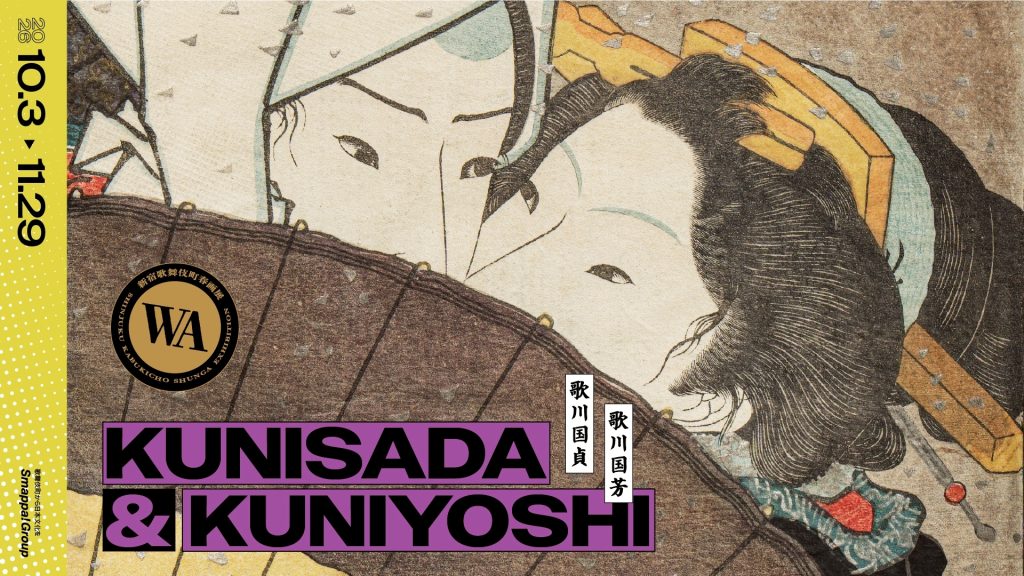
Utagawa Kunisada / Shunjō Nikubusuma / Irozuri-hanshibon / 1839 / Uragami Sokyu-do Collection
- Exhibition Information
- Two Masters Who Defined the Golden Age of Ukiyo-e
- Exhibition Highlights
- Featured Work
- Why Visit This Exhibition?
- Discover Kabukicho Beyond the Exhibition
Looking for one of the most unique art exhibitions in Tokyo in autumn 2026? Shinjuku Kabukicho Shunga Exhibition: WA returns with a new special exhibition dedicated to two of the greatest masters of ukiyo-e: Utagawa Kunisada and Utagawa Kuniyoshi.
Held at the historic Shinjuku Kabukicho Noh Stage, this exhibition presents an extraordinary selection of original Edo-period woodblock prints, including rare shunga (Japanese erotic art), beautiful women prints (bijin-ga), actor prints, warrior prints, and illustrated books.
Whether you are interested in Japanese art, ukiyo-e, Edo culture, or simply searching for unforgettable things to do in Tokyo, this exhibition offers a rare opportunity to experience original masterpieces preserved in exceptional condition.
Exhibition Information
KUNISADA & KUNIYOSHI
Shinjuku Kabukicho Shunga Exhibition: WA
Dates
October 3 (Sat) – November 29 (Sun), 2026 (58 days)
Venue
Shinjuku Kabukicho Noh Stage
Shinjuku, Tokyo, Japan
Please note that works on display may be changed without prior notice for conservation purposes.
Two Masters Who Defined the Golden Age of Ukiyo-e
During the late Edo period, no two artists enjoyed greater popularity than Utagawa Kunisada (1786–1864) and Utagawa Kuniyoshi (1797–1861).
Both studied under Utagawa Toyokuni I, yet each established a distinctive artistic identity that captivated audiences across Japan.
Utagawa Kunisada
Kunisada became one of the most commercially successful ukiyo-e artists in history. Renowned for his elegant bijin-ga (pictures of beautiful women) and expressive kabuki actor prints, his sophisticated compositions and refined sense of design made him one of Edo’s most celebrated artists.
Utagawa Kuniyoshi
Kuniyoshi earned widespread acclaim through his dynamic warrior prints, imaginative storytelling, and playful humor. His fearless creativity, technical brilliance, and unconventional compositions continue to inspire artists around the world today.
For the first time in this exhibition series, the contrasting artistic worlds of these two legendary masters come together in Kabukicho, one of Japan’s most iconic entertainment districts.
Further details will be announced soon.
Exhibition Highlights
』秋/文政12年1829-1024x724.jpg)
1. Exceptional Original Ukiyo-e Selected by Mitsuru Uragami
Every work has been carefully selected by Mitsuru Uragami, supervisor of the Shinjuku Kabukicho Shunga Exhibition: WA.
Many visitors are astonished by the remarkable condition of these original Edo-period prints, often asking:
“Are these really original prints?”
“Were these printed recently?”
This exhibition provides a rare opportunity to view exceptionally well-preserved original ukiyo-e.
2. Beyond Shunga: Discover the Complete Artistic Worlds of Kunisada and Kuniyoshi
While the exhibition features outstanding examples of shunga, visitors can also explore the extraordinary diversity of each artist’s career.
Highlights include:
- Shunga
- Bijin-ga (pictures of beautiful women)
- Kabuki actor prints
- Warrior prints
- Illustrated books
- Other rare ukiyo-e works
Rather than focusing solely on erotic art, the exhibition reveals why Kunisada and Kuniyoshi became two of the defining artists of the Edo period.
3. Explore a Wide Variety of Ukiyo-e Formats
Visitors can compare works across numerous traditional print formats, including:
- Ōban – the standard large-format ukiyo-e print
- Chūban – a medium-sized print, approximately half the size of an ōban
- Mameban – miniature woodblock prints
- Illustrated books
- Hanshibon
- Other rare print formats
The exhibition offers a valuable introduction to the diversity of Japanese woodblock printing techniques.

Shinjuku Kabukicho Noh Stage
Featured Work
Utagawa Kunisada
Shunjō Nikufusuma (Spring Passion: Fleshly Wives)
- Irozuri-hanshibon (Polychrome print on small-format paper)
- 1839 (Tenpō 10)
- Uragami Sōkyūdō Collection
Why Visit This Exhibition?
If you’re interested in:
- Things to do in Tokyo
- Tokyo art exhibitions
- Ukiyo-e
- Japanese woodblock prints
- Edo-period culture
- Shunga
- Kabuki
- Japanese history
- Traditional Japanese art
- Museums and cultural experiences in Tokyo
this exhibition offers one of the most comprehensive introductions to two of Japan’s greatest ukiyo-e masters through original works rarely seen together.
Hosted in the heart of Kabukicho, where contemporary entertainment culture meets centuries of artistic history, the exhibition creates a unique dialogue between Edo-period popular culture and modern Tokyo.
Whether you are an art enthusiast, a first-time visitor to Japan, or a returning traveler seeking authentic cultural experiences, Shinjuku Kabukicho Shunga Exhibition: WA promises an unforgettable journey into the vibrant world of ukiyo-e.
We look forward to welcoming you this autumn.
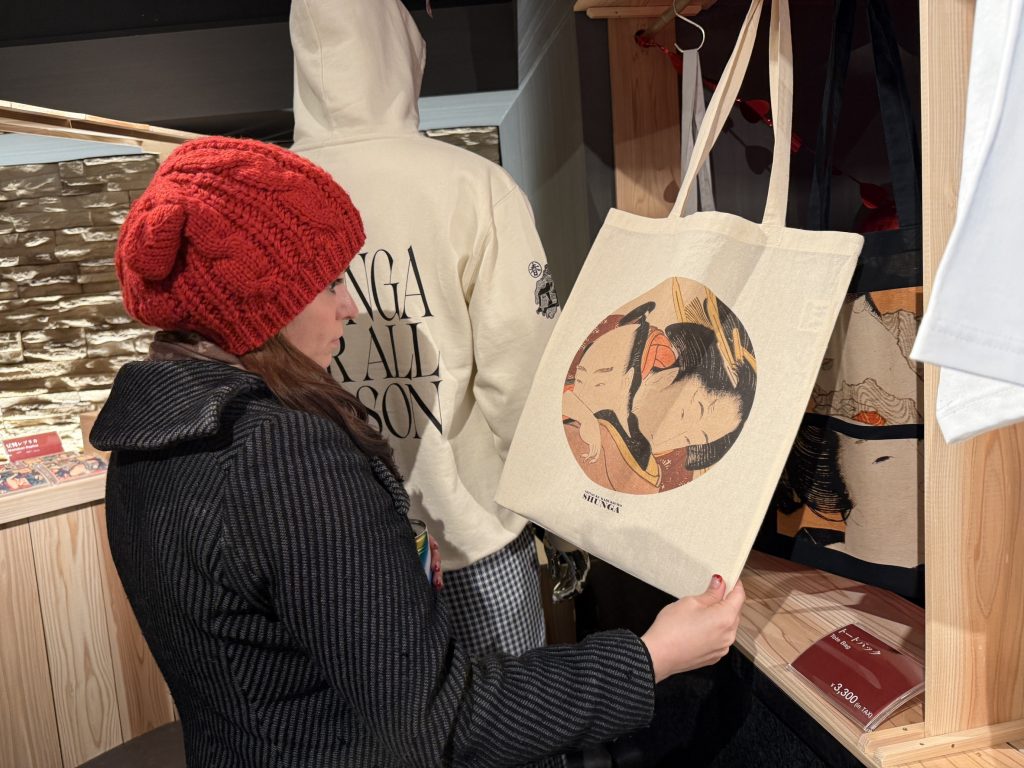
Kabukicho Information Center
Discover Kabukicho Beyond the Exhibition
A visit to Shinjuku Kabukicho Shunga Exhibition: WA is also an opportunity to experience the neighborhood that continues to shape Tokyo’s entertainment culture.
Experience Tokyo Nightlife with English-speaking Guides
Kabukicho Concierge offers guided nightlife experiences led by English- and Chinese-speaking guides. From introducing local bars to accompanying visitors to host clubs, the tours provide an accessible way to discover one of Tokyo’s most iconic districts while learning about its unique history and culture.
Visit the Kabukicho Information Center
Before or after the exhibition, stop by the Kabukicho Information Center, a cultural space operated by Smappa! Group that celebrates the creative spirit of Kabukicho. Set inside an authentic host club interior, visitors can enjoy drinks, browse original Kabukicho-themed merchandise, and learn more about the district’s history and contemporary culture.