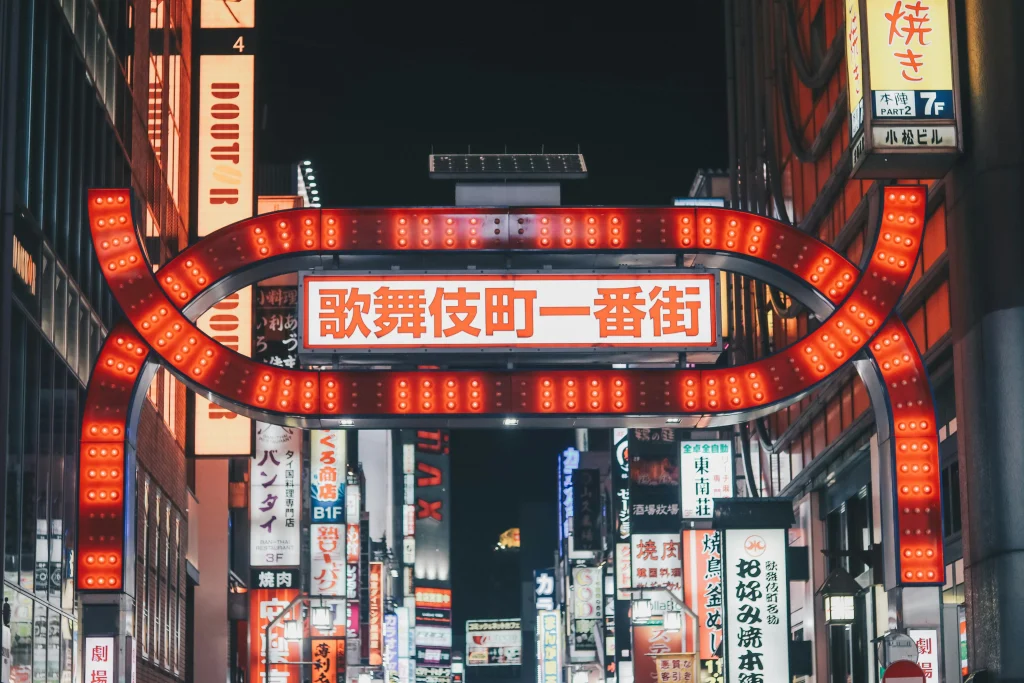
This guide explains Shinjuku nightlife from a foreigner’s perspective, covering the best areas, clubs, bars, host club culture, and practical safety tips so you can enjoy the night with confidence, whether it’s your first time in Tokyo or you want to explore beyond tourist spots.
What Is Shinjuku Nightlife? (Overview for Foreigners and tourists)
Shinjuku nightlife covers a wide range of bars, clubs, and late-night entertainment spread across several distinct areas around Shinjuku Station. Instead of one main street, Shinjuku is made up of multiple nightlife districts, each with its own atmosphere and crowd.
For foreigners, this variety makes Shinjuku one of the easiest places in Tokyo to enjoy nightlife. From local izakaya and small standing bars to Golden Gai, Kabukicho’s club scene, and LGBTQ-friendly venues in Shinjuku Ni-chome, many spots are used to international guests.
Shinjuku nightlife is generally safe, but the experience depends on where you go and how you spend the night. Understanding the differences between areas and basic local customs helps you enjoy Shinjuku confidently and avoid common first-time mistakes.
→official safety information from Tokyo Metropolitan Police
Shinjuku Nightlife Districts Explained
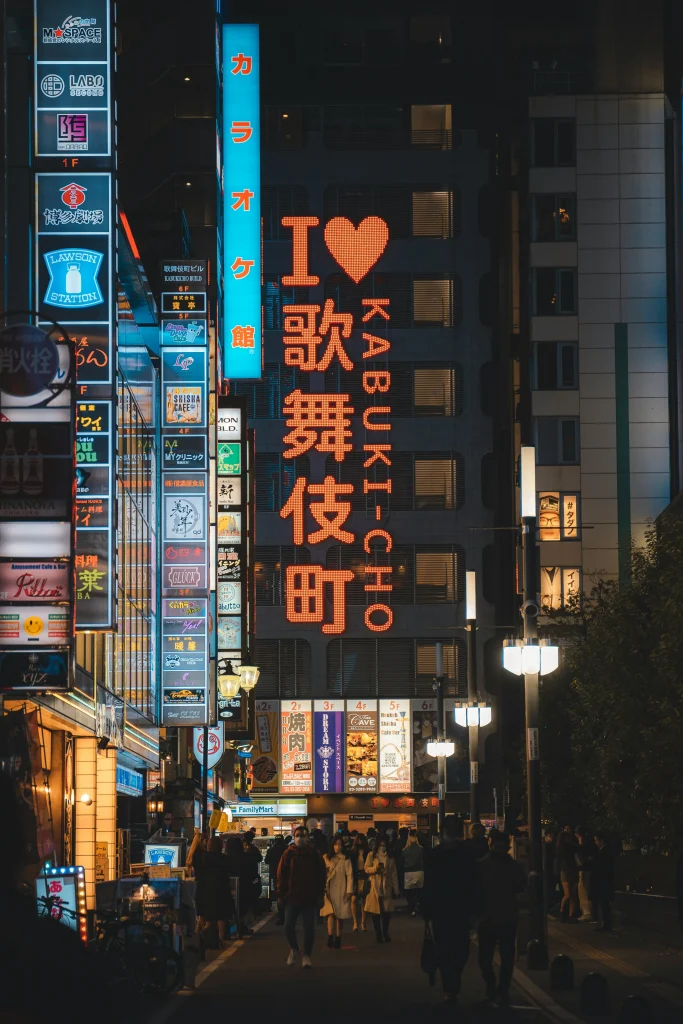
Kabukicho
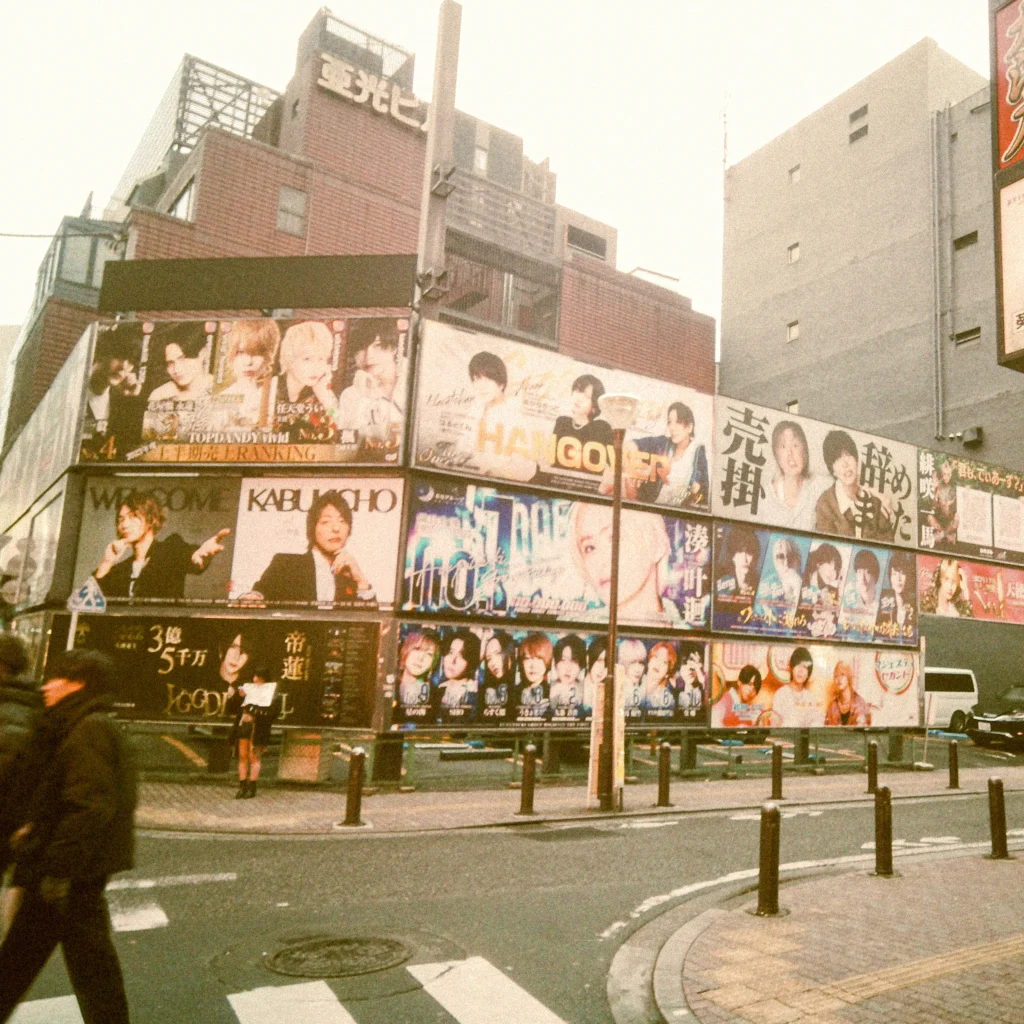
Kabukicho is the heart of Shinjuku nightlife, known for its neon lights, clubs, bars, and adult entertainment. It’s where many nightclubs and host clubs are located, making it popular with both locals and foreign visitors looking for a lively night out. While Kabukicho is generally safe, first-time visitors should be cautious of aggressive street promoters and unclear pricing. Stick to well-known venues and avoid being led into places you didn’t plan to visit.
For some visitors, experiencing a host club with the right expectations becomes a memorable way to understand a side of Japanese nightlife that’s rarely explained elsewhere.
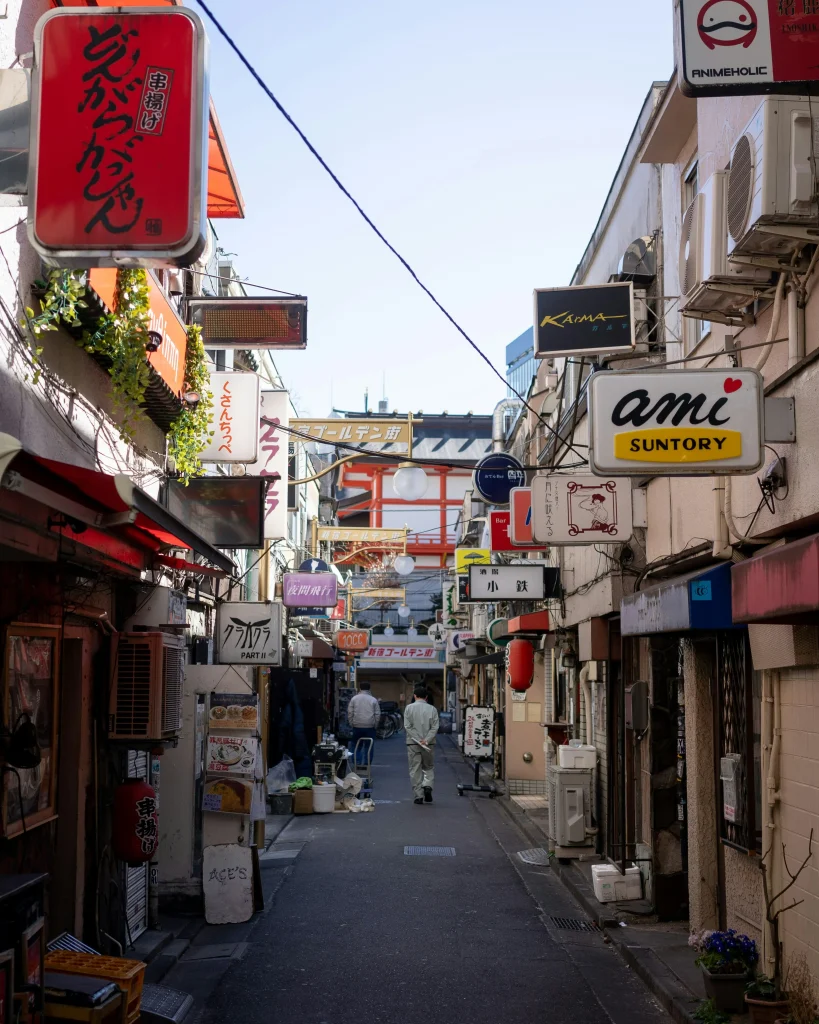
Golden Gai
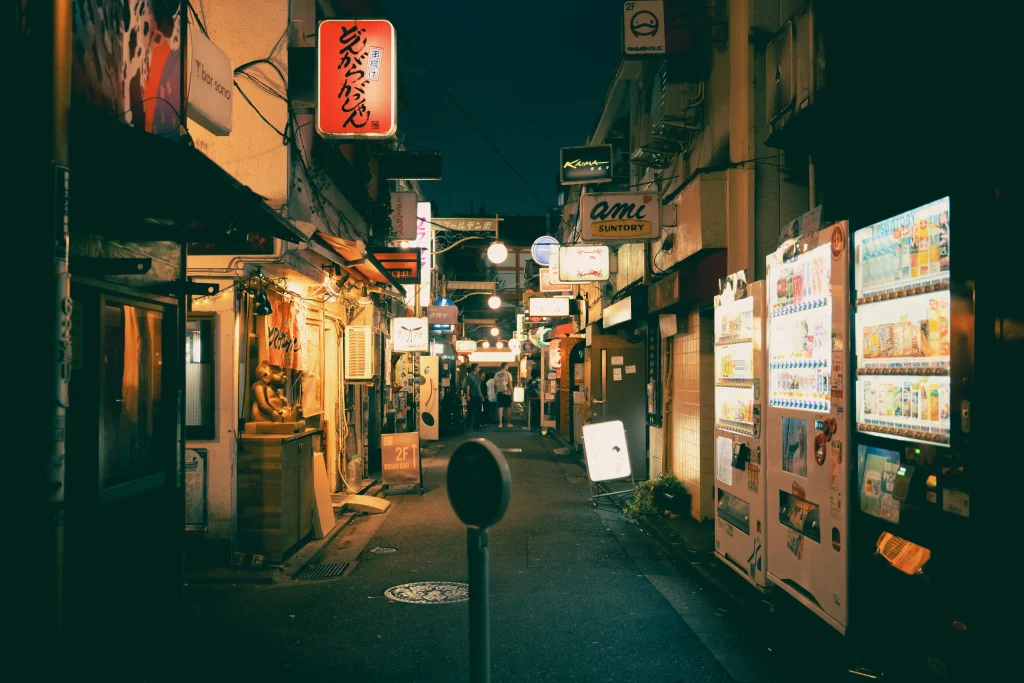
Golden Gai is on the fringes of Kabukicho. It is a small bar town with over 250 bars in just 160 sqm. Golden Gai is where several scenes of Blade Runner were filmed, and where scenes from Tokyo Vice were filmed. Each bar is cozy and has its own theme. Space is limited and each bar often fits 5-10 people only giving you a chance to make friends and chat with the bar tenders easily. Most Golden Gai bars have a seating charge of 300-1000 yen depending on the bar. This is very normal for Japan as there is no tipping culture.
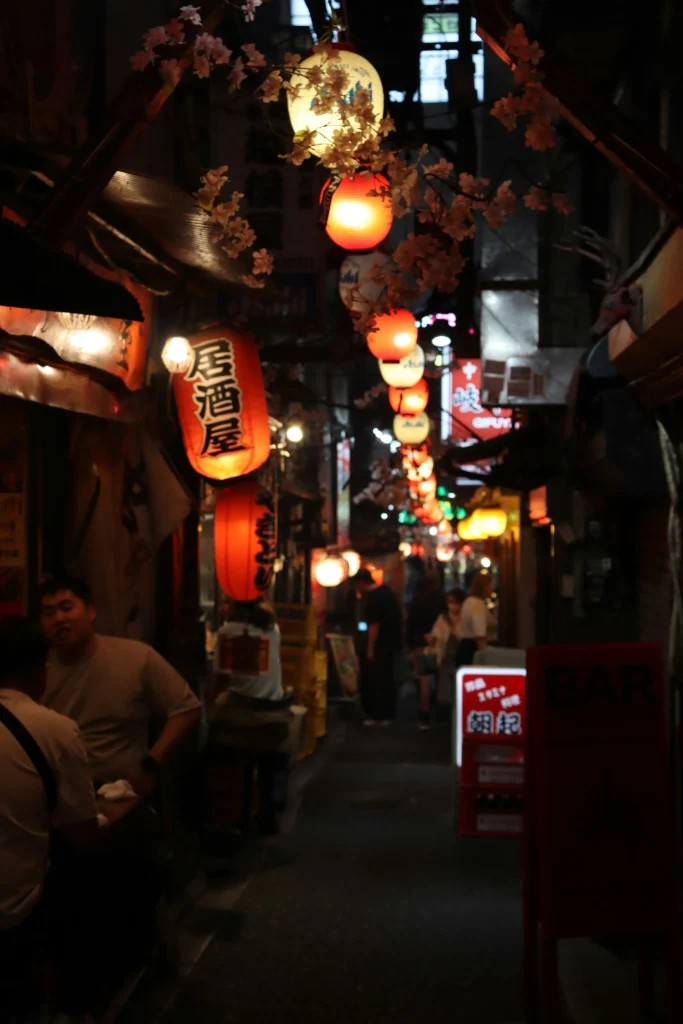
Omoide Yokocho
Omoide Yokocho offers a more casual and local drinking experience, with small izakaya serving grilled food and drinks in a narrow alley near Shinjuku Station. It’s popular for early-night drinks and quick bar hopping, especially for visitors who want an authentic atmosphere without clubs. Prices are usually reasonable, and many places are foreigner-friendly, though English menus are not always available.
Shinjuku Ni-chome
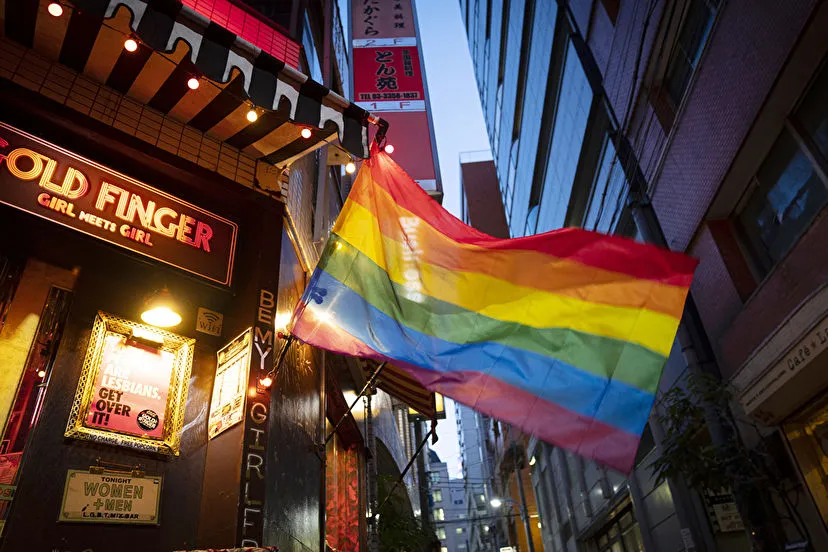
Shinjuku Ni-chome is Tokyo’s largest LGBTQ+ nightlife district, packed with bars and clubs that cater to a wide range of communities. The area is known for its open-minded, friendly atmosphere and late-night energy. Many venues welcome foreigners, but some bars are niche or members-only, so it’s normal to try a few places before finding the right fit.
Kabukicho Shinjuku Nightlife: What Foreigners Should Know
Is Kabukicho Safe for Foreigners?
Kabukicho has a strong reputation, but for most foreign visitors it is generally safe, especially on main streets and around busy nightlife areas. Police presence is visible, and violent crime is rare. However, safety largely depends on your choices. Problems tend to happen when visitors follow street promoters, enter unclear establishments, or drink heavily without checking prices. If you stick to well-known venues and stay aware of your surroundings, Kabukicho can be enjoyed without major issues.
Things to Avoid in Kabukicho at Night
The most common mistake foreigners make in Kabukicho is following aggressive touts who promise cheap drinks or “special” experiences. This often leads to overpriced bills or uncomfortable situations. Avoid places without clear menus, pricing, or online presence. It’s also best not to wander into small side streets late at night if you’re unfamiliar with the area. Planning where you want to go in advance makes a big difference.
Host Club Experience in Shinjuku – What Foreigners Should Expect
Host clubs are a unique part of Kabukicho nightlife and often spark curiosity among foreign visitors. These venues focus on conversation, drinks, and atmosphere rather than physical contact. Pricing can vary widely, and misunderstandings usually happen when visitors don’t fully understand the system. For first-timers, visiting with someone who understands the culture and pricing structure can make the experience clearer and more comfortable. When approached with the right expectations, host clubs can be an interesting glimpse into a side of Japanese nightlife that’s very different from bars or clubs. For first-time visitors, going with someone who understands the system and pricing can make the experience far more comfortable and enjoyable.
For first-time visitors, understanding the system and pricing beforehand helps avoid confusion and makes the experience more comfortable.
→Host Club in Japan for Foreigners (2026) – English-Friendly
Golden Gai Nightlife Guide for Foreigners
What Is Golden Gai?
Golden Gai is a small nightlife area in Shinjuku famous for its narrow alleys and tiny bars, many of which seat fewer than ten people. Each bar has its own theme and regular customers, often run by the owner behind the counter. Rather than loud partying, Golden Gai is about relaxed drinking, conversation, and meeting people from different backgrounds. It’s one of the most unique nightlife spots in Tokyo.
Golden Gai Manners & Cover Charges
Because the bars are small, manners matter in Golden Gai. Some bars welcome foreigners, while others are reserved for regulars, so always check signs before entering. Many places charge a small cover charge, usually between ¥500 and ¥1,500, which is normal and should be clearly posted. Being respectful, keeping noise down, and ordering drinks regularly are basic expectations.
English-Friendly Bars in Golden Gai
Several bars in Golden Gai are known for being open to foreign visitors, with English menus or staff who speak some English. These bars tend to have a mixed crowd of locals and travelers, making them easy places to start if it’s your first visit. If a bar feels unwelcoming, it’s completely normal to move on, bar hopping is part of the Golden Gai experience.
Best Clubs in Shinjuku for Foreigners
T2 Shinjuku
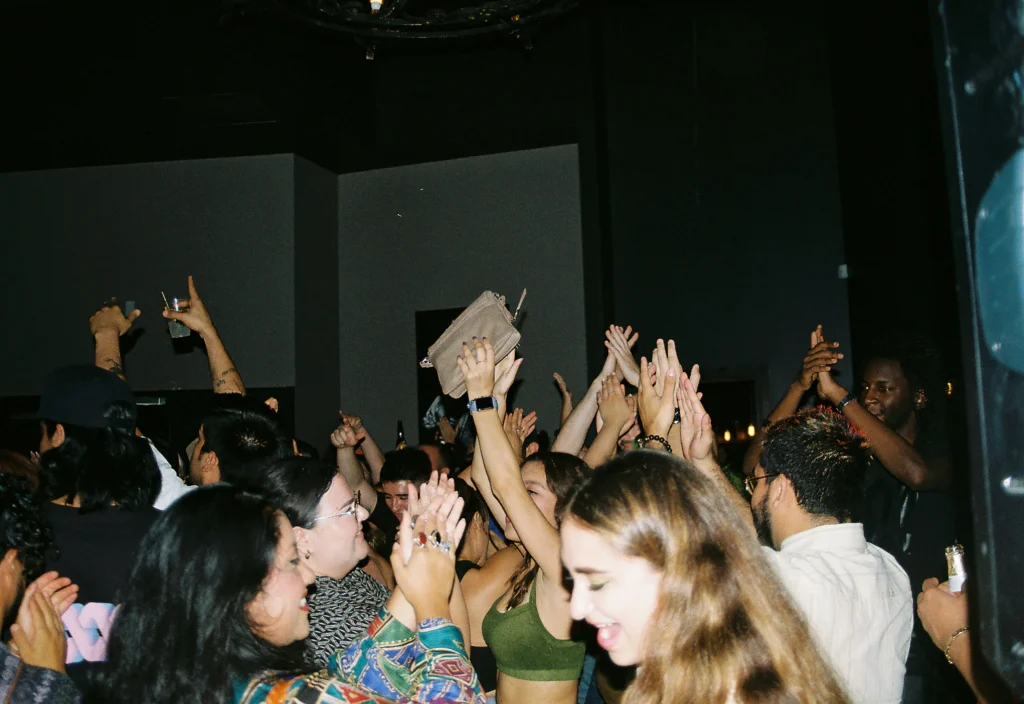
T2 Shinjuku is one of the most popular nightclubs for foreigners, known for its modern interior, EDM and hip-hop music, and mixed international crowd. Located near Kabukicho, it attracts both tourists and locals, especially on weekends. Entry rules are straightforward, and first-time visitors usually find it easy to get in. If you’re looking for a lively, international-style club experience in Shinjuku, T2 is a safe starting point.
WARP Shinjuku
WARP Shinjuku is a large, multi-floor club offering different music styles in separate rooms, ranging from EDM to Japanese pop and hip-hop. The crowd is diverse, with many young locals and foreign visitors. It tends to get busy late at night, making it better for those who enjoy high-energy clubbing. Lines can be long on weekends, so arriving earlier can help.
ATOM Shinjuku (What to Know Before You Go)
ATOM Shinjuku is popular with a younger crowd and is often busy, especially on weekends. While foreigners are allowed, entry rules and door policies can change depending on the night. The club has a more local feel compared to T2 or WARP, so it helps to dress appropriately and be patient at the entrance. Checking reviews or going with someone familiar with the scene can make the experience smoother.
Shinjuku Nightlife vs Shibuya – Which Is Better?
Shinjuku Nightlife: Who It’s Best For
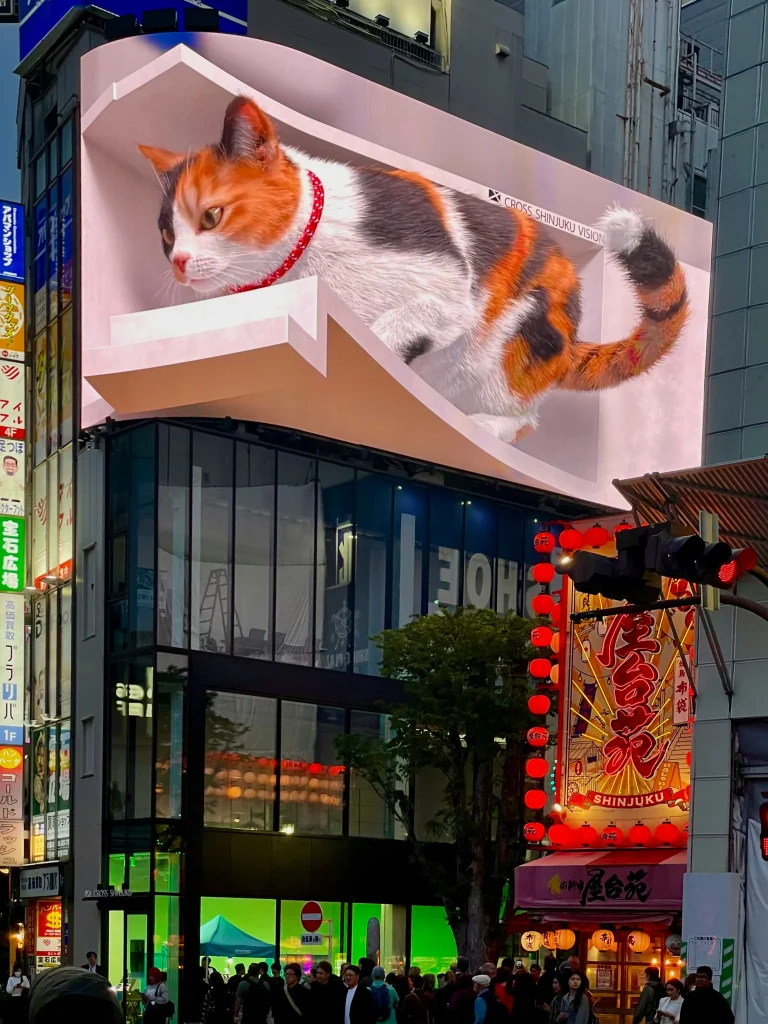
Shinjuku nightlife is best for travelers who want variety and flexibility in one area. Bars, clubs, izakaya, Golden Gai, host clubs, and LGBTQ-friendly venues (Ni-chome) are all within walking distance. It suits visitors who prefer to move between different types of nightlife in a single night, or those who want options that range from casual drinks to late-night clubbing. Shinjuku also works well for first-time visitors who value convenience and clear nightlife “zones.”
→Tokyo Metropolitan Government – Shinjuku Area Guide
Shibuya Nightlife: Who It’s Best For
Shibuya nightlife is better for people focused mainly on clubbing and a younger, trend-driven scene. The area is known for high-energy clubs, DJ culture, and late-night crowds centered around a few main streets. It’s popular with students, young locals, and travelers looking for a fast-paced party atmosphere. If your main goal is dancing until morning rather than bar hopping or exploring different nightlife styles, Shibuya may feel more straightforward.
→Tokyo Metropolitan Government – Shibuya Area Guide
Is Shinjuku Nightlife Safe for Foreigners?
Common Concerns Seen on Reddit
On Reddit, common concerns about Shinjuku nightlife include aggressive street touts, overpriced drinks, and unclear bills, especially around Kabukicho. Some users also mention language barriers and worries about getting lost late at night. These concerns are understandable, but they often come from specific situations rather than the area as a whole. Most problems reported online involve following promoters or entering places without clear pricing.
Real Risks vs Reality
In reality, Shinjuku is one of the most heavily patrolled nightlife areas in Tokyo, and serious violent crime against visitors is rare. The biggest risks are financial, not physical such as surprise charges or misunderstandings about pricing. Well-known bars, clubs, and clearly listed venues are generally safe. Staying on busy streets and avoiding unsolicited offers greatly reduces risk.
Tips to Stay Safe at Night in Shinjuku
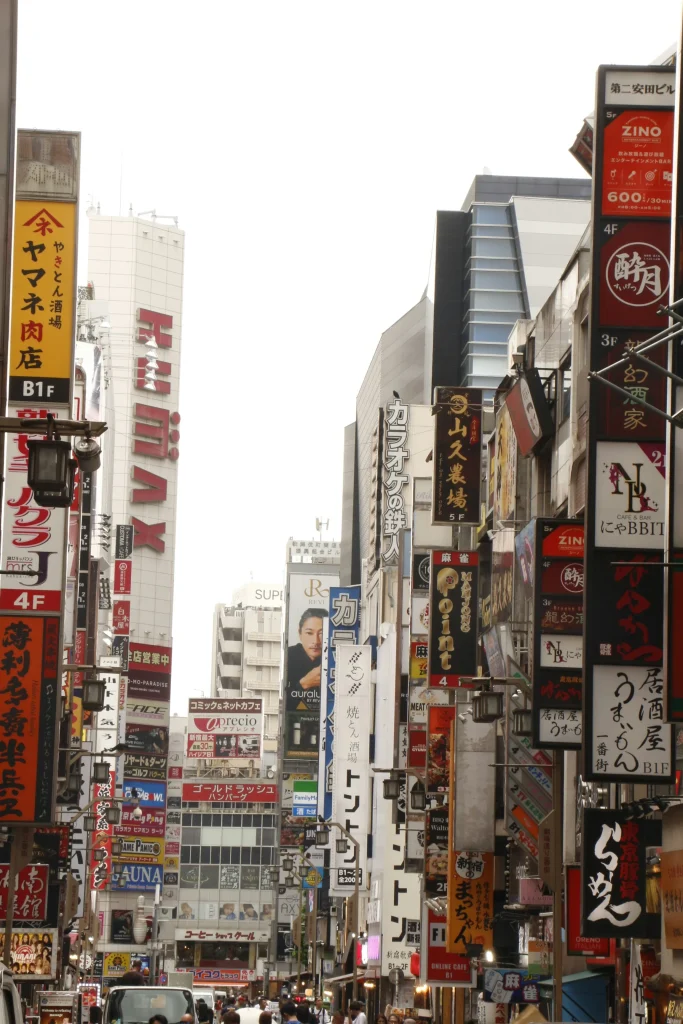
To enjoy Shinjuku nightlife safely, choose venues with visible menus and reviews, avoid following street touts, and keep track of your drinks and spending. Traveling with friends or having a rough plan for the night helps, especially if it’s your first visit. A little preparation goes a long way in making the experience both fun and stress-free.
Enjoy Shinjuku Nightlife Like a Local (With or Without a Guide)
Shinjuku nightlife can be enjoyed in many ways, whether you explore on your own or with local support. Going independently offers freedom, while having a local guide can help avoid common pitfalls, explain unspoken rules, and match venues to your interests. Especially for first-time visitors or solo travelers, local insight often makes the night smoother and more relaxed. Choosing how you experience Shinjuku is part of what makes its nightlife so flexible and appealing. For experiences like host clubs or deeper Kabukicho nightlife, having local support can help avoid confusion and make the night feel much smoother.
Final thoughts
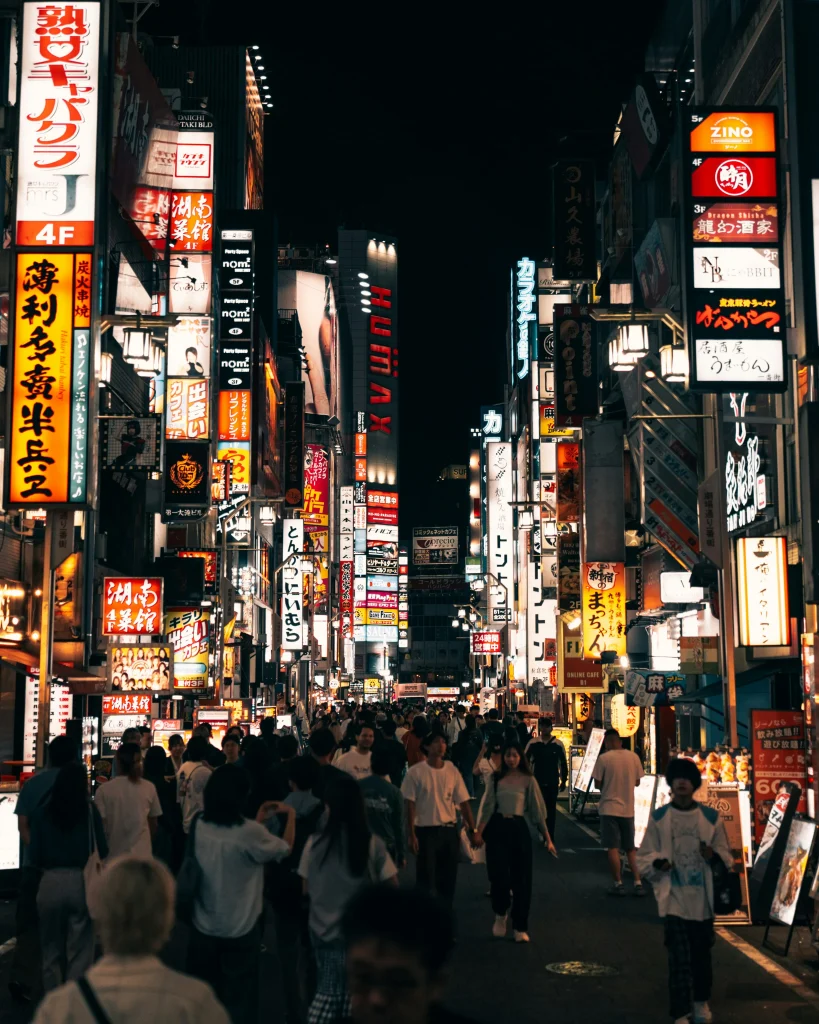
In my opinion, Shinjuku is a place you can truly enjoy if you stay aware. Checking prices before entering a bar and not following street touts makes a huge difference. When you do that, Shinjuku opens up as one of Japan’s most fascinating nightlife areas. From host clubs and Golden Gai to gay bars, nightclubs, cheap izakaya, and stylish restaurants, everything exists side by side in a way that feels uniquely Shinjuku. I feel this contrast, chaotic yet organized and wild yet surprisingly practical, is what makes the area so interesting. With a bit of awareness, Shinjuku nightlife becomes something to enjoy and appreciate, whether you’re simply bar hopping or curious about its more unique experiences.
Host Club Experience in Shinjuku – What Foreigners Should Expect
FAQ
Can foreigners and tourists go clubbing in Shinjuku?
Yes, foreigners can go clubbing in Shinjuku, and many clubs are used to international guests. A Valid ID is required and if you are travelling internationally the only valid ID will be a passport. Popular venues like T2 Shinjuku and WARP Shinjuku regularly welcome foreigners. Entry rules can vary by night, so dressing appropriately and arriving earlier can help. As long as you follow basic rules, clubbing in Shinjuku is generally straightforward.
Is Shinjuku nightlife dangerous?
Shinjuku nightlife is generally safe, especially in busy areas and on main streets. Serious violent crime against visitors is rare, but the most common issues involve overpriced drinks or unclear bills. These problems usually happen when people follow street touts or enter places without clear pricing. Staying aware and choosing well-known venues greatly reduces risk.
Are foreigners and tourists allowed in Kabukicho?
Yes, foreigners are allowed in Kabukicho, and many bars, clubs, and entertainment venues welcome international visitors. Kabukicho is one of the most famous nightlife districts in Tokyo. However, it’s important to avoid following street promoters and to check prices before entering a venue. Knowing where you’re going makes the experience much smoother.
Do I need to speak Japanese to enjoy Shinjuku nightlife?
No, you don’t need to speak Japanese to enjoy Shinjuku nightlife. Many venues have English menus, and staff in popular nightlife areas are often used to basic English communication. That said, knowing a few simple phrases or going to English-friendly places can make things easier. In smaller local bars, communication may rely more on gestures and atmosphere.
What time does Shinjuku nightlife start and end?
Shinjuku nightlife usually starts around 6–8 PM, with bars and izakaya getting busy early in the evening. Clubs and late-night venues typically peak after 10 PM and stay open until 4–5 AM, depending on the venue. Golden Gai and Kabukicho tend to stay lively well past midnight, especially on weekends.
Where should I stay in Tokyo for nightlife – Shinjuku or Shibuya?
Shinjuku is ideal if you want variety, with bars, clubs, izakaya, LGBTQ-friendly venues, and late-night food all in one area. Shibuya is better suited for travelers focused mainly on clubbing and a younger, trend-driven scene. Both areas have excellent transport, but Shinjuku offers more nightlife options within walking distance. The best choice depends on whether you prefer flexibility or a more focused party atmosphere.
