Sushi, ramen, tempura, and wagyu may be some of the first foods travelers associate with Japan, but one of the dishes closest to everyday Japanese life is much simpler: a bowl of miso soup.
- What Is Miso Soup?
- Taste “Heibon” — Ordinaryness, in Japanese
- Make Miso by Hand in Tokyo
- Experience Everyday Japan in Kabukicho
- Explore Kabukicho with English- and Chinese-Speaking Guides
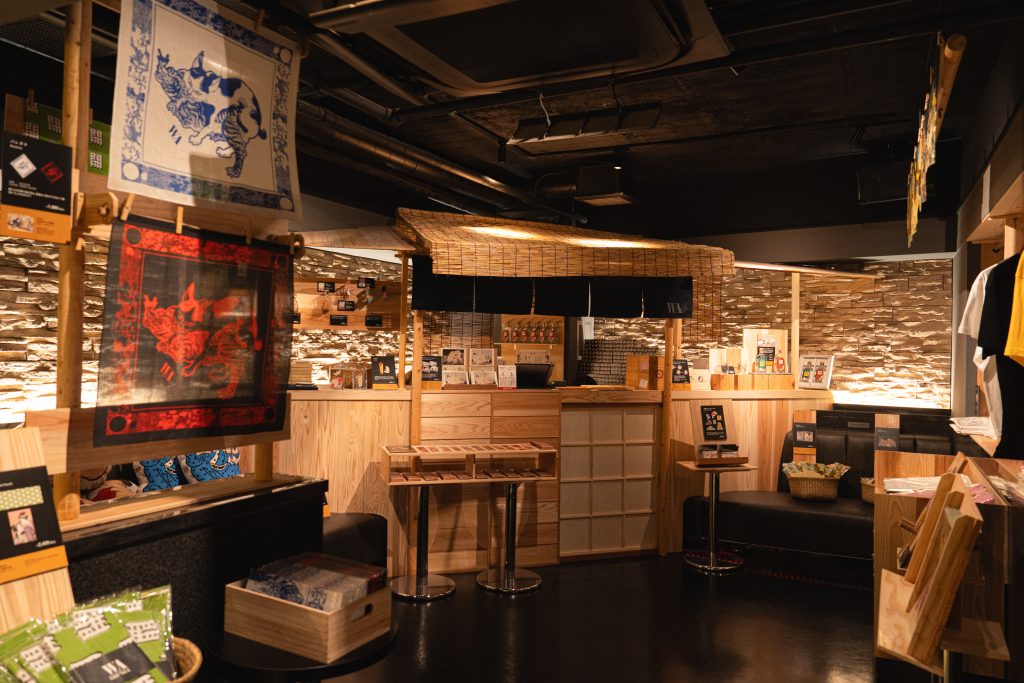
In the middle of Shinjuku Kabukicho, one of Tokyo’s busiest nightlife districts, a small restaurant called DAIDOKORO invites visitors to experience the quieter side of Japanese food culture.
What Is Miso Soup?
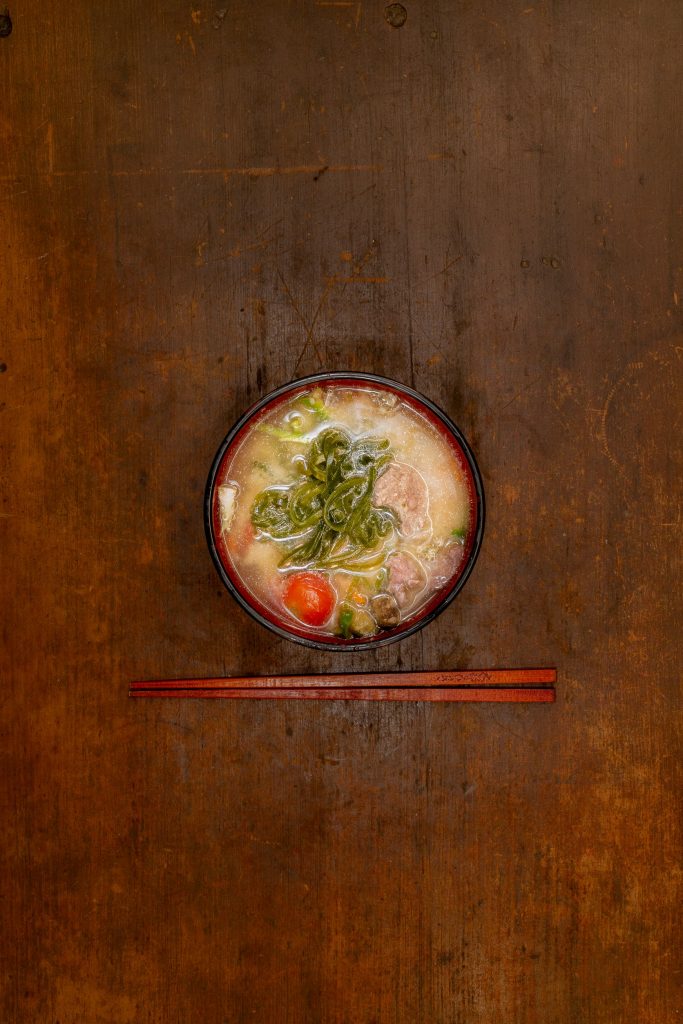
Miso soup is one of the foundations of everyday Japanese cuisine. At its heart is miso, a traditional fermented seasoning commonly made from soybeans, kōji, and salt. Combined with dashi and ingredients that change with the season, miso becomes a soup served alongside rice in homes and restaurants throughout Japan.
It is not necessarily food for a special occasion. It is everyday food — and that is exactly what makes it important.

Taste “Heibon” — Ordinaryness, in Japanese
Daidokoro (台所) means “kitchen” in Japanese. Located on the second floor of DECAMERON in Kabukicho, DAIDOKORO serves an intentionally simple meal: rice and miso soup.
Originally created as an art project exploring the value of ordinary daily life, it later reopened as a permanent dining space. There are no flashy dishes here. The miso soup changes with the ingredients, season, and mood of the day, using carefully selected ingredients including organic vegetables and generous portions of meat. Vegetarian and vegan options are also available.
What DAIDOKORO serves is something it calls “heibon” — ordinaryness, in Japanese.
Why Miso Soup in Kabukicho?
The location is part of the experience. Kabukicho is overflowing with stimulation: neon signs flash overhead, music escapes from buildings, and restaurants, bars, clubs, and entertainment continue deep into the night. There is always somewhere else to go and something else to experience.
DAIDOKORO creates a small interruption in that rhythm. You sit down, eat rice, drink a bowl of miso soup, take a breath, and then step back into the city. In one of Tokyo’s most extraordinary neighborhoods, DAIDOKORO asks what it means to experience something completely ordinary.
Miso Is a Living Food
The simplicity of miso soup hides a much longer process. Traditional miso can begin with just three ingredients: cooked soybeans, kōji, and salt.
The soybeans are thoroughly mashed before being combined with salt and kōji. The mixture is then packed tightly into a container with as little air as possible, and fermentation begins. Over the following months, microorganisms and time gradually transform the ingredients. After passing through the seasons — sometimes for around a year — the flavor becomes deeper and more complex.
Miso is not simply “made and finished.” It is a living food that continues to develop over time.
Make Miso by Hand in Tokyo

DAIDOKORO also hosts hands-on miso-making workshops in Kabukicho. Participants mash cooked soybeans, mix kōji with salt, combine everything by hand, and pack the mixture into containers to begin fermentation.
The process is simple, but it requires patience. At DAIDOKORO, there is another ingredient: music. A DJ plays while participants work together, moving to the rhythm as they crush, mix, and knead the ingredients. An everyday domestic activity becomes something communal — almost a small ritual.
Why Spend Time Making Something You Can Buy?
Behind the workshop is a larger idea. Modern urban life allows us to outsource much of what is necessary for everyday living. Cooking, cleaning, making things, and other domestic tasks can easily be treated as work that should be minimized so that our time can be used for something more “productive.”
Making miso by hand does not solve that system. It takes time and has almost no economic productivity, and that is precisely what makes the act interesting. DAIDOKORO asks whether spending time on the basic activities required for living can itself have value.
Making your own food becomes a small way of reclaiming time from the demand that every hour produce something measurable.
Celebrating Time Spent Living
Miso takes months to become miso. You cannot rush fermentation simply because you are busy. You prepare it, wait through the seasons, and let microorganisms and time do their work.
DAIDOKORO’s miso-making project celebrates this slowness by bringing people together to make food while listening to music. It is about celebrating the act of wasting time for the sake of living — and perhaps that kind of “wasted” time is actually a luxury.

Experience Everyday Japan in Kabukicho
Kabukicho is usually introduced through the extraordinary: neon lights, host clubs, nightlife, and entertainment. DAIDOKORO offers another way to understand the neighborhood — and Japan itself.
Sometimes culture is not found in the spectacular things created for visitors. Sometimes it is sitting quietly in a bowl of rice and miso soup.
Visit DAIDOKORO
DAIDOKORO — Miso Soup Restaurant
2F DECAMERON
1-12-4 Kabukicho, Shinjuku-ku, Tokyo
Instagram:
https://www.instagram.com/daidokoro_kabukicho/
Opening Hours
Tue–Fri: 18:00–24:00
Sun: 7:00–10:00
Closed Mondays
Make Your Own Miso in Kabukicho — ¥10,000 per person
Experience traditional Japanese fermentation at DAIDOKORO, a miso soup restaurant in Shinjuku Kabukicho. Guided by artist Yuta Geshi, whose practice explores the relationship between everyday life and art, you’ll make miso by hand using soybeans, kōji, and salt — with a DJ soundtrack playing as you work.
During this approximately 90-minute experience, you’ll learn about miso and Japanese fermentation culture, prepare your own miso to take home, and finish with a miso soup set meal made with the host’s own miso and one drink.
Price: ¥10,000 per person
Duration: Approximately 90 minutes
Languages: Japanese / English / Chinese
Includes: Miso-making experience and ingredients, your handmade miso to take home, miso soup set meal, one drink, guidance and interpretation support.

Explore Kabukicho with English- and Chinese-Speaking Guides
After experiencing everyday Japanese food culture, discover another side of the neighborhood with Kabukicho Concierge. English- and Chinese-speaking guides introduce visitors to local restaurants, bars, nightlife, and the stories behind Kabukicho.
It is an accessible way to move beyond the neon signs and experience the people and cultures that make the neighborhood what it is.
Visit the Kabukicho Information Center
You can also stop by the Kabukicho Information Center, a cultural space operated by Smappa! Group.
Set inside an authentic host club interior, visitors can enjoy drinks, browse original Kabukicho-themed merchandise, and discover another side of the neighborhood’s history and contemporary culture.
From matcha in the afternoon to sake after midnight, Kabukicho is not only a place to see — it is a place to experience.