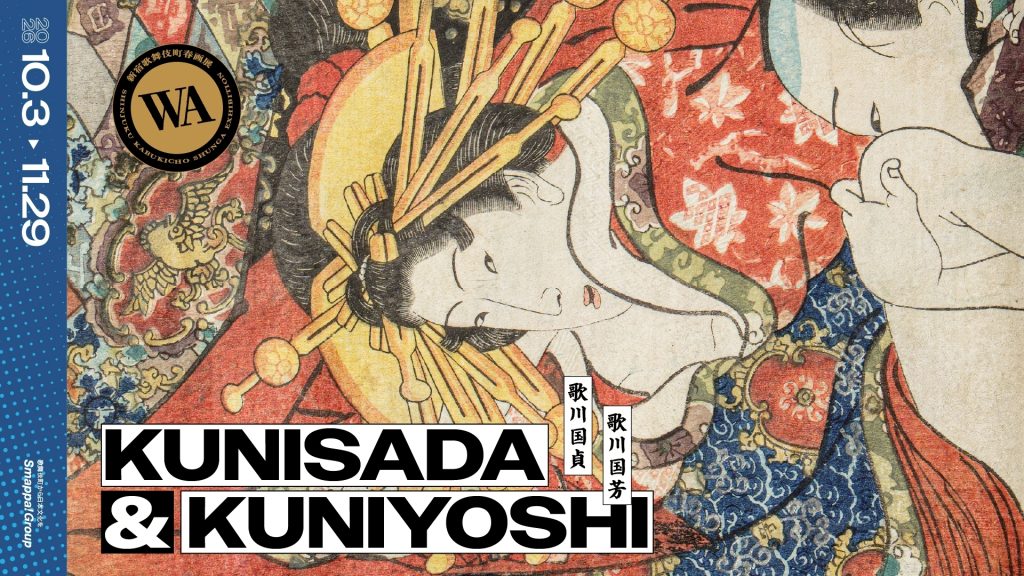
Utagawa Kunisada / Uragami Sokyu-do Collection
Shunga is one of the most fascinating genres of Japanese art. Closely connected to ukiyo-e, these illustrated books and woodblock prints offer a glimpse into the humor, craftsmanship, and everyday culture of the Edo period (1603–1868).
Although often introduced simply as erotic art, shunga tells a much broader story about Japanese society, publishing culture, and artistic expression.
Today, museums and special exhibitions present shunga within its historical context, allowing visitors to appreciate it as an important part of Japan’s cultural heritage.
What Does “Shunga” Mean?
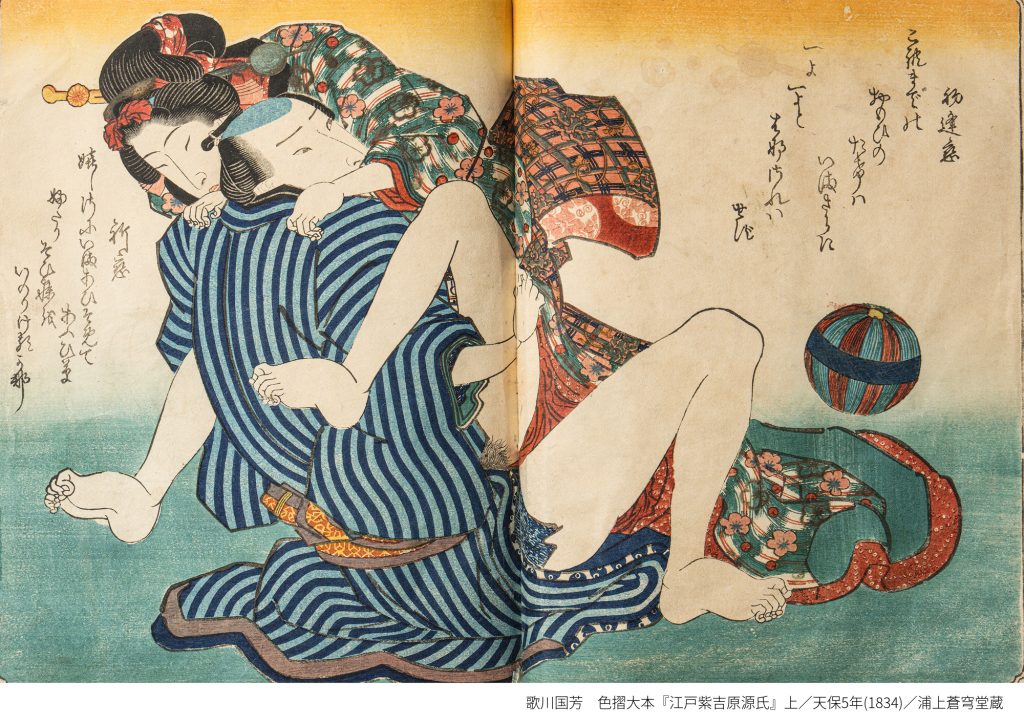
The word shunga (春画) literally means “spring pictures,” with “spring” serving as a traditional East Asian metaphor for love and sexuality.
During the Edo period, however, these works were more commonly known as warai-e (“laughing pictures”), reflecting the humor and playfulness found throughout many compositions.
Rather than existing separately from mainstream art, shunga was created by many of Japan’s most celebrated ukiyo-e artists.
Shunga and Ukiyo-e
Shunga belongs to the world of ukiyo-e, the famous Japanese woodblock print tradition.
The same artists who designed landscapes, portraits of kabuki actors, and pictures of beautiful women also produced shunga. Their work shared the same publishers, printing techniques, and audiences.
Because of this, shunga should be understood as one part of Edo-period visual culture rather than a separate artistic category.
Why Was Shunga So Popular?
During the Edo period, woodblock printing made illustrated books and prints widely available.
People collected, exchanged, and enjoyed shunga alongside many other printed works. These images combined refined craftsmanship with storytelling, humor, and observations of everyday life.
Although regulations occasionally restricted their publication, shunga continued to circulate and remained an important form of popular culture.
The Artistry Behind Shunga
Beyond its subject matter, shunga demonstrates the remarkable skill of ukiyo-e artists.
Visitors often notice:
- Delicate woodblock printing techniques
- Rich colors and intricate patterns
- Expressive facial expressions
- Clever visual humor
- Beautiful kimono and interior designs
Many works reward careful viewing, revealing details that are easily overlooked at first glance.
Experience Original Shunga in Tokyo
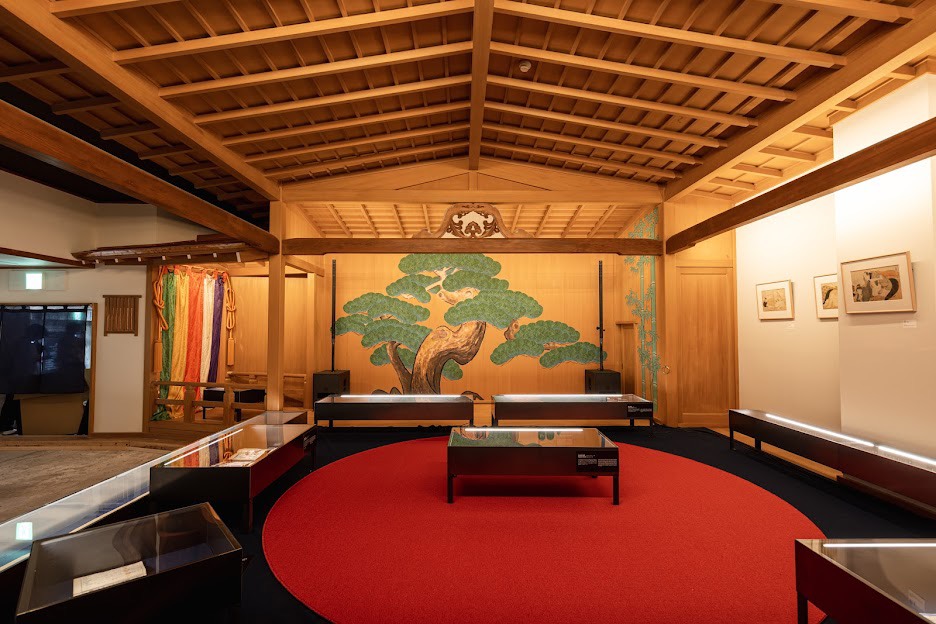
Shinjuku Kabukicho Noh Stage
Seeing original Edo-period prints offers an experience that books and digital images cannot fully convey.
This autumn, KUNISADA & KUNIYOSHI: Shinjuku Kabukicho Shunga Exhibition: WA presents original works by two of the greatest ukiyo-e masters:
- Utagawa Kunisada (1786–1864)
- Utagawa Kuniyoshi (1797–1861)
In addition to shunga, the exhibition features actor prints, bijin-ga (pictures of beautiful women), warrior prints, illustrated books, and a variety of traditional print formats, offering visitors a broader understanding of ukiyo-e culture.
Why Kabukicho?
Kabukicho has long been associated with entertainment, nightlife, and popular culture.
Presenting shunga here creates a dialogue between the vibrant spirit of Edo’s pleasure districts and one of modern Tokyo’s most iconic entertainment neighborhoods, inviting visitors to explore how popular culture continues to evolve across generations.
Learn More Through Original Works
Whether you are discovering shunga for the first time or already have an interest in Japanese art, viewing original Edo-period prints provides valuable insight into the artistic techniques, publishing culture, and everyday life of early modern Japan.
KUNISADA & KUNIYOSHI: Shinjuku Kabukicho Shunga Exhibition: WA
October 3 (Sat) – November 29 (Sun), 2026
Experience one of Tokyo’s most distinctive exhibitions celebrating the art, history, and cultural legacy of shunga and ukiyo-e.
Discover Kabukicho Beyond the Exhibition
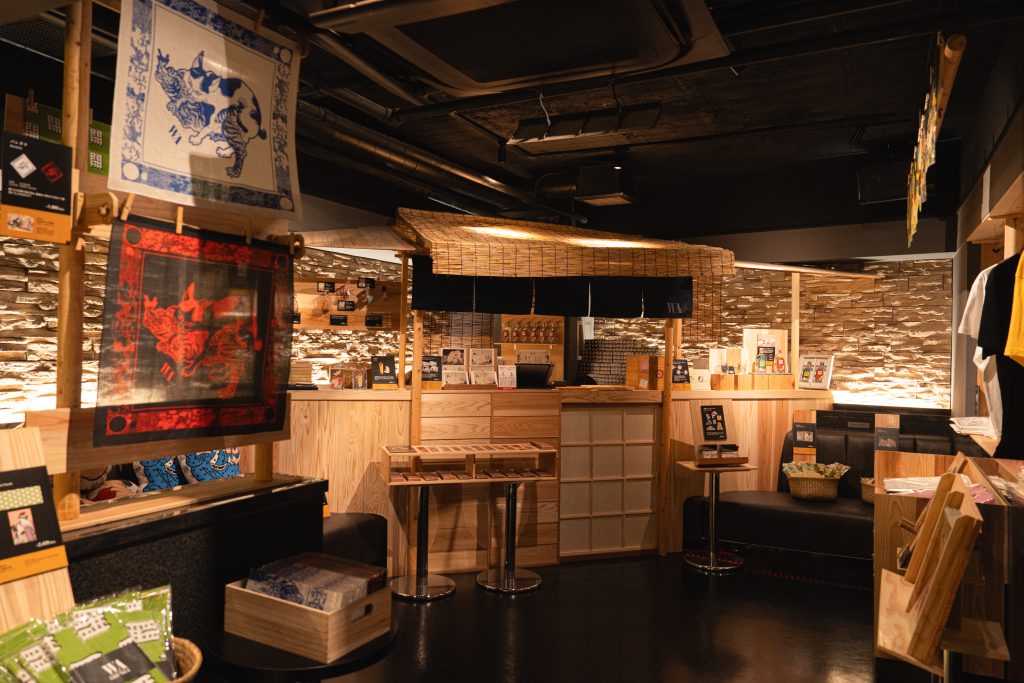
Kabukicho Information Center
A visit to Shinjuku Kabukicho Shunga Exhibition: WA is also an opportunity to experience the neighborhood that continues to shape Tokyo’s entertainment culture.
Experience Tokyo Nightlife with English-speaking Guides
Kabukicho Concierge offers guided nightlife experiences led by English- and Chinese-speaking guides. From introducing local bars to accompanying visitors to host clubs, the tours provide an accessible way to discover one of Tokyo’s most iconic districts while learning about its unique history and culture.
Visit the Kabukicho Information Center
Before or after the exhibition, stop by the Kabukicho Information Center, a cultural space operated by Smappa! Group that celebrates the creative spirit of Kabukicho. Set inside an authentic host club interior, visitors can enjoy drinks, browse original Kabukicho-themed merchandise, and learn more about the district’s history and contemporary culture.