Host club Hostess club Ukiyo-e
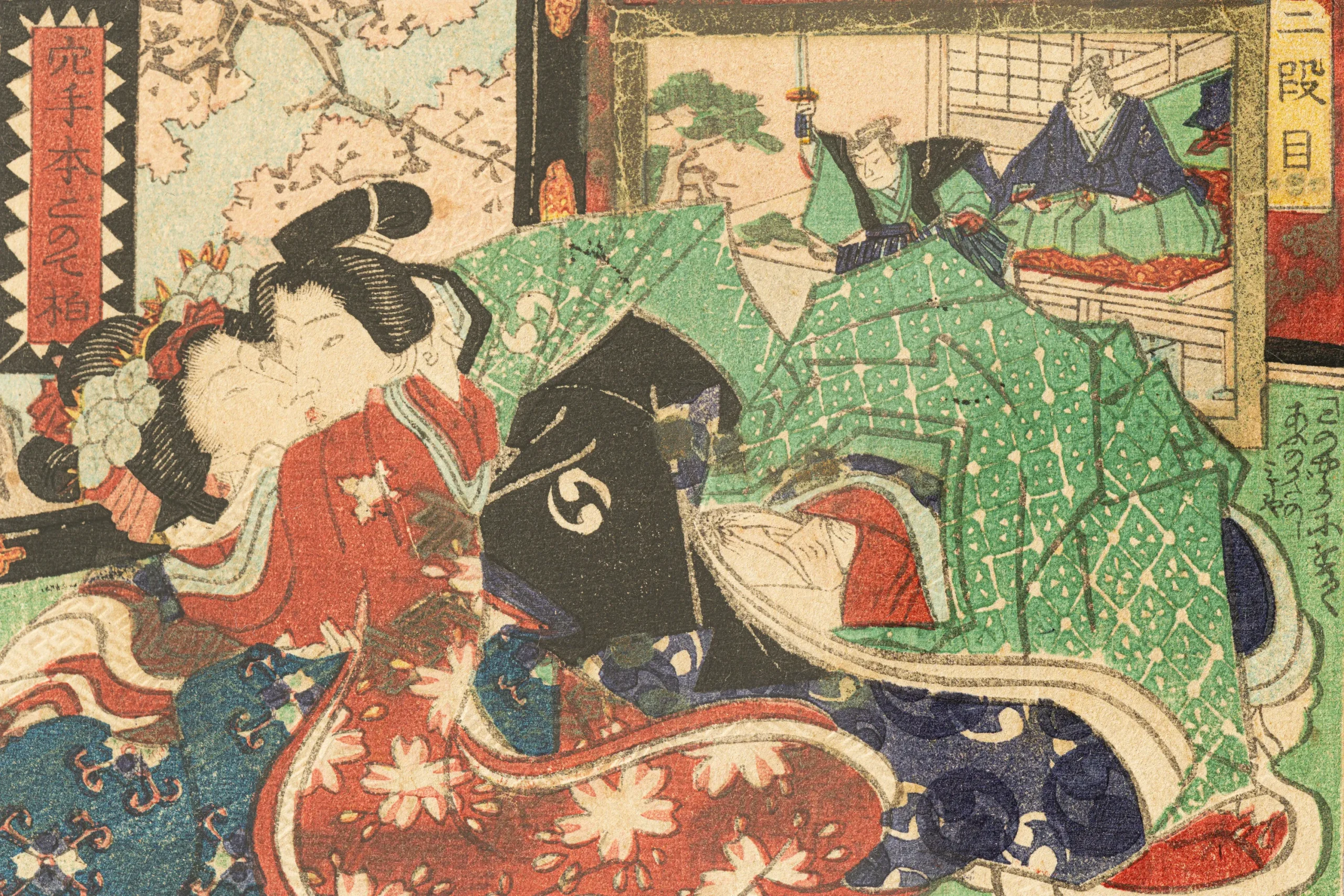
Ukiyo-e museums in Tokyo offer one of the best ways to explore traditional Japanese woodblock prints from the Edo period. These museums display famous works by artists such as Hokusai and Hiroshige, as well as themes like kabuki actors, landscapes, and even shunga. In this guide, you will learn what ukiyo-e is, which ukiyo-e museum Tokyo is worth visiting, and what to expect when planning your visit.
- What Is Ukiyo-e and Why It Matters
- Best Ukiyo-e Museums in Tokyo
- Ota Memorial vs Shinjuku Kabukicho Ukiyo-e Shunga Museum
- Ukiyo-e Museums Outside Tokyo
- Tickets, Opening Hours and What to Expect
- Final Thoughts: Which Ukiyo-e Museum Should You Visit?
- FAQ About Ukiyo-e Museums
What Is Ukiyo-e and Why It Matters
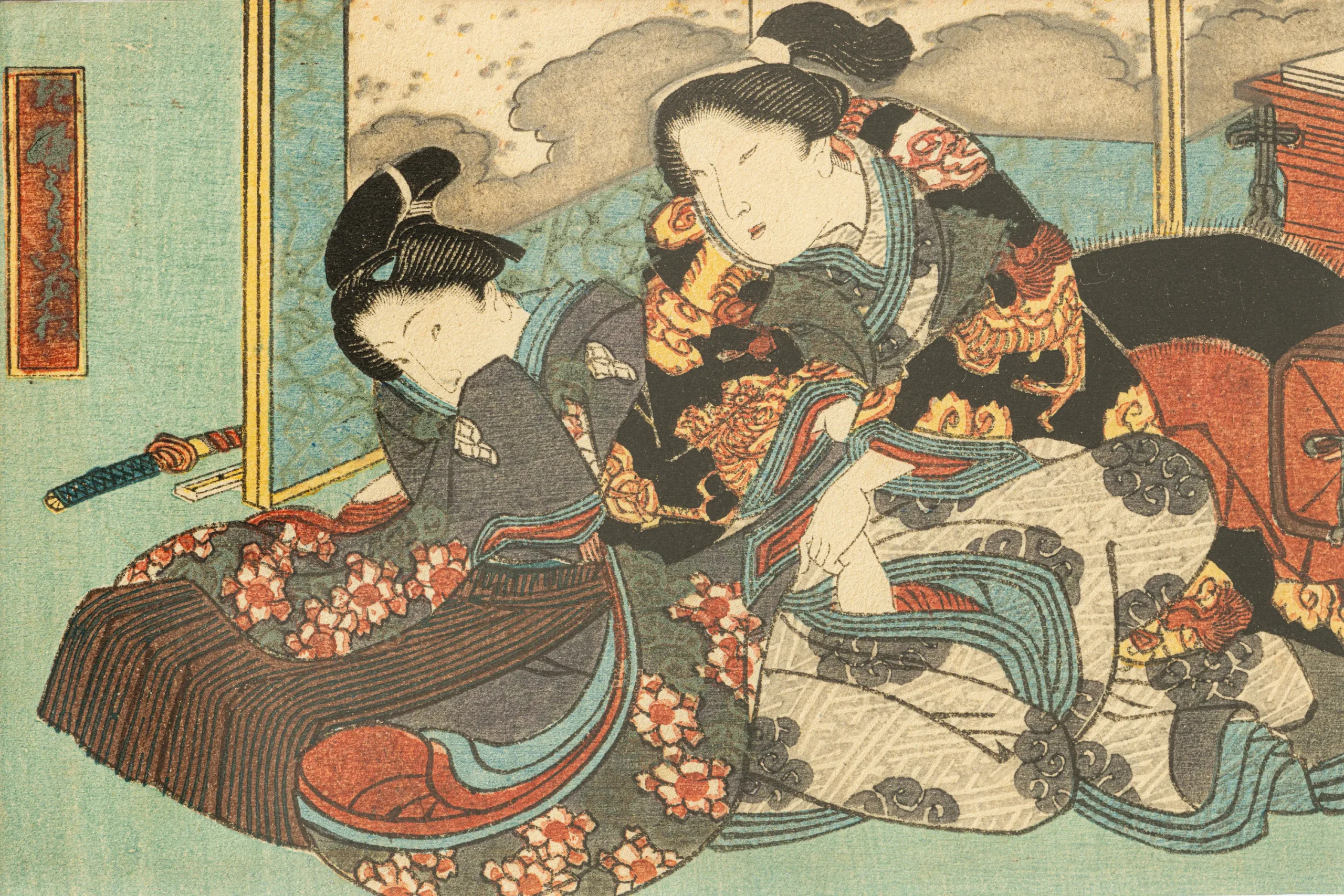
Ukiyo-e is a traditional Japanese woodblock print art that flourished during the Edo period. These prints captured everyday life, kabuki actors, landscapes, and even shunga, a genre of erotic art that was later restricted in the late 18th and 19th centuries.
Masters such as Hokusai and Hiroshige helped define Japan’s global image through ukiyo-e. Today, visiting a ukiyo-e museum in Tokyo allows you to see original woodblock prints and understand the cultural world behind them. Knowing this history makes any ukiyo-e museum Tokyo experience far more meaningful.
These prints captured everyday life, landscapes, kabuki actors, and even shunga, a genre of ukiyo-e that was later restricted in the 18th and 19th centuries.
Learn more in our guide to shunga art in Japan.
Best Ukiyo-e Museums in Tokyo
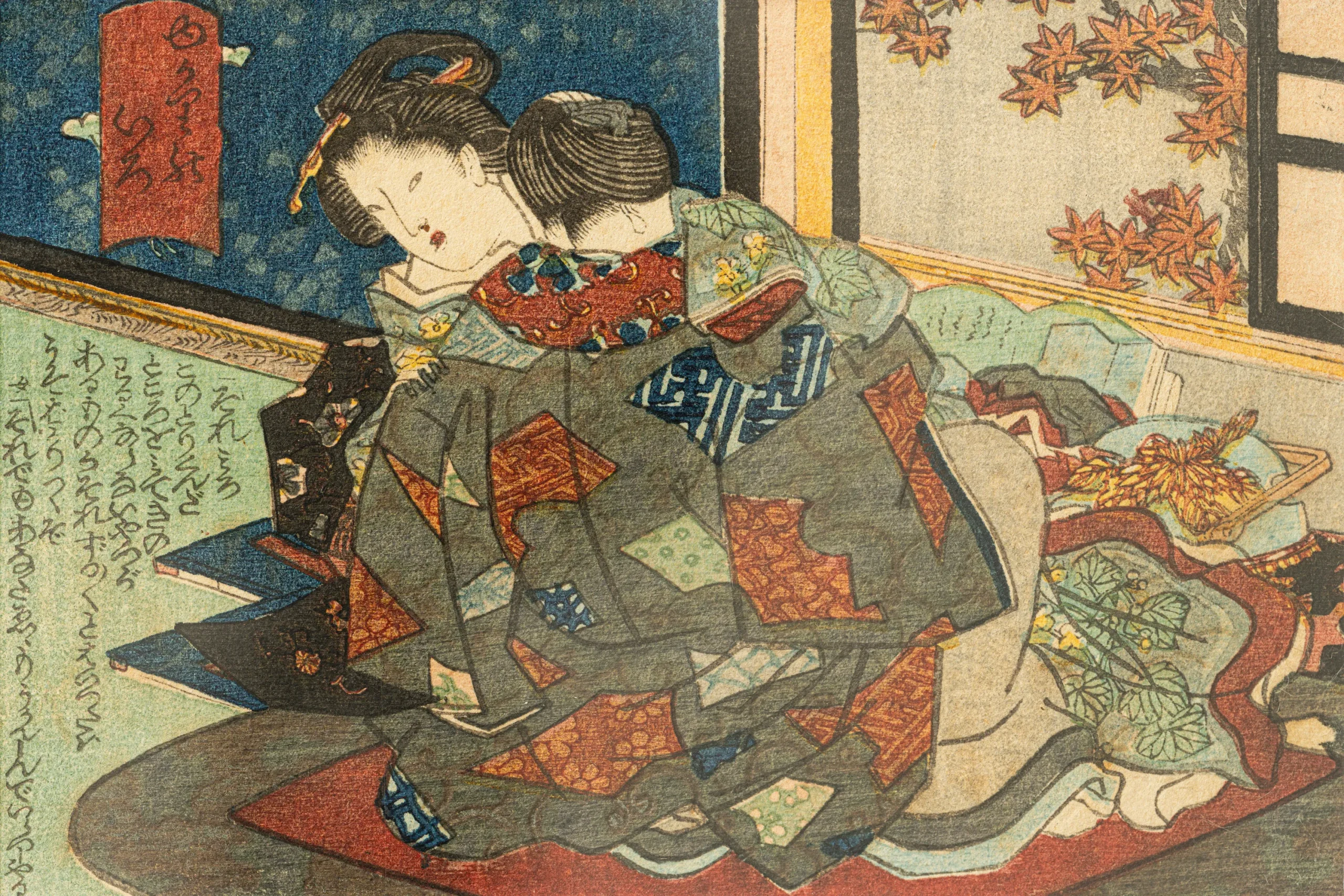
Tokyo offers some of the best ukiyo-e museums in Japan. From the modern Sumida Hokusai Museum to the historic Ota Memorial Museum of Art, each ukiyo-e museum Tokyo presents Edo-period woodblock prints in a unique way. Even a shunga museum in Shinjuku Kabukicho adds a different perspective. Here are the key museums to visit.
Sumida Hokusai Museum
Located in Sumida, the birthplace of Katsushika Hokusai, this modern museum focuses on the life and works of the legendary ukiyo-e master. The Sumida Hokusai Museum presents rotating exhibitions of original woodblock prints, sketches, and interactive displays. If you want to understand Hokusai beyond “The Great Wave,” this is one of the most educational ukiyo-e museum Tokyo experiences available.
Ota Memorial Museum of Art
The Ota Memorial Museum of Art in Harajuku houses one of the finest collections of ukiyo-e in Tokyo. Unlike large national museums, it specializes exclusively in woodblock prints, featuring artists such as Hiroshige, Utamaro, and Sharaku. Exhibitions change monthly, which makes repeat visits worthwhile. For many visitors, this museum represents the most traditional and refined ukiyo-e museum Tokyo option.
Shinjuku Kabukicho Ukiyo-e Shunga Museum
Located in Kabukicho, this unique ukiyo-e museum focuses on shunga, the erotic art genre that was restricted and banned in the 18th and 19th centuries. The exhibition highlights sexual desire and human nature across the centuries in Japan. For travelers interested in a deeper and less conventional side of Edo culture, this museum offers a distinctive ukiyo-e experience in Tokyo.
If you are planning to visit one of these ukiyo-e museums in Tokyo, it can be helpful to check ticket availability in advance, especially during popular exhibitions.
Ota Memorial vs Shinjuku Kabukicho Ukiyo-e Shunga Museum
The Ota Memorial Museum focuses on traditional ukiyo-e woodblock prints, featuring masters such as Hiroshige and Utamaro. It offers a quiet, classical atmosphere and rotating exhibitions of refined Edo-period art.
In contrast, the Shinjuku Kabukicho ukiyo-e shunga museum highlights shunga, the erotic genre once restricted in the 18th and 19th centuries. It presents a more provocative yet culturally insightful side of Edo society.
If you prefer historical elegance, choose Ota. For a bold and unconventional ukiyo-e museum Tokyo experience, Kabukicho offers something different.
Ukiyo-e Museums Outside Tokyo
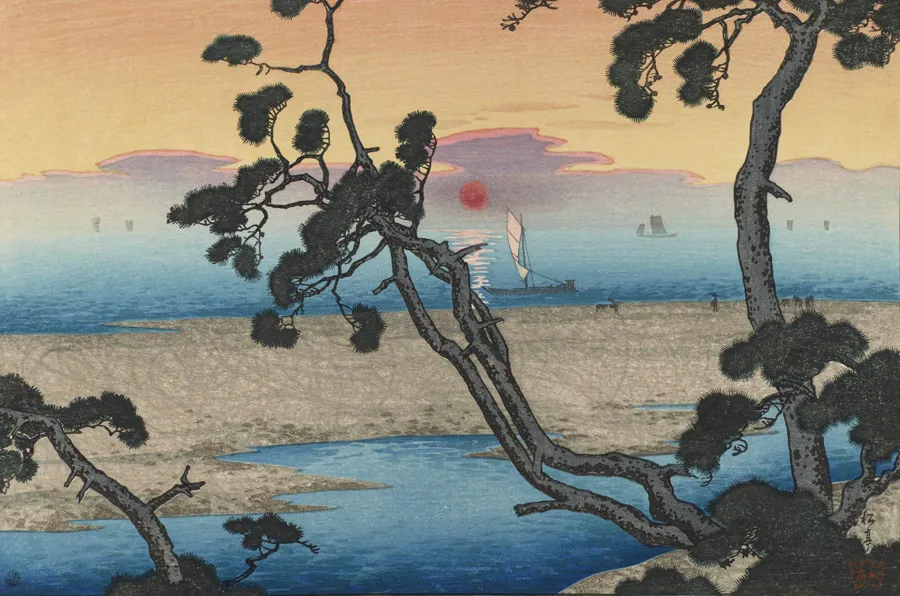
While Tokyo has the largest concentration of ukiyo-e museums, notable collections can also be found across Japan. From the historic Japan Ukiyo-e Museum in Matsumoto to the specialized Kamigata Ukiyo-e Museum in Osaka, these regional museums highlight different artistic traditions. Visiting a ukiyo-e museum outside Tokyo offers a broader understanding of woodblock print culture beyond the capital.
Japan Ukiyo-e Museum (Matsumoto)
Located in Nagano Prefecture, the Japan Ukiyo-e Museum holds one of the world’s largest private collections of ukiyo-e. The museum showcases works spanning several centuries, offering insight into both famous masters and lesser-known artists.
Kamigata Ukiyo-e Museum (Osaka)
The Kamigata Ukiyo-e Museum focuses on Osaka’s regional print tradition, especially kabuki actor portraits. Compared to Tokyo collections, it provides a more localized perspective on Edo-period popular culture.
Tickets, Opening Hours and What to Expect
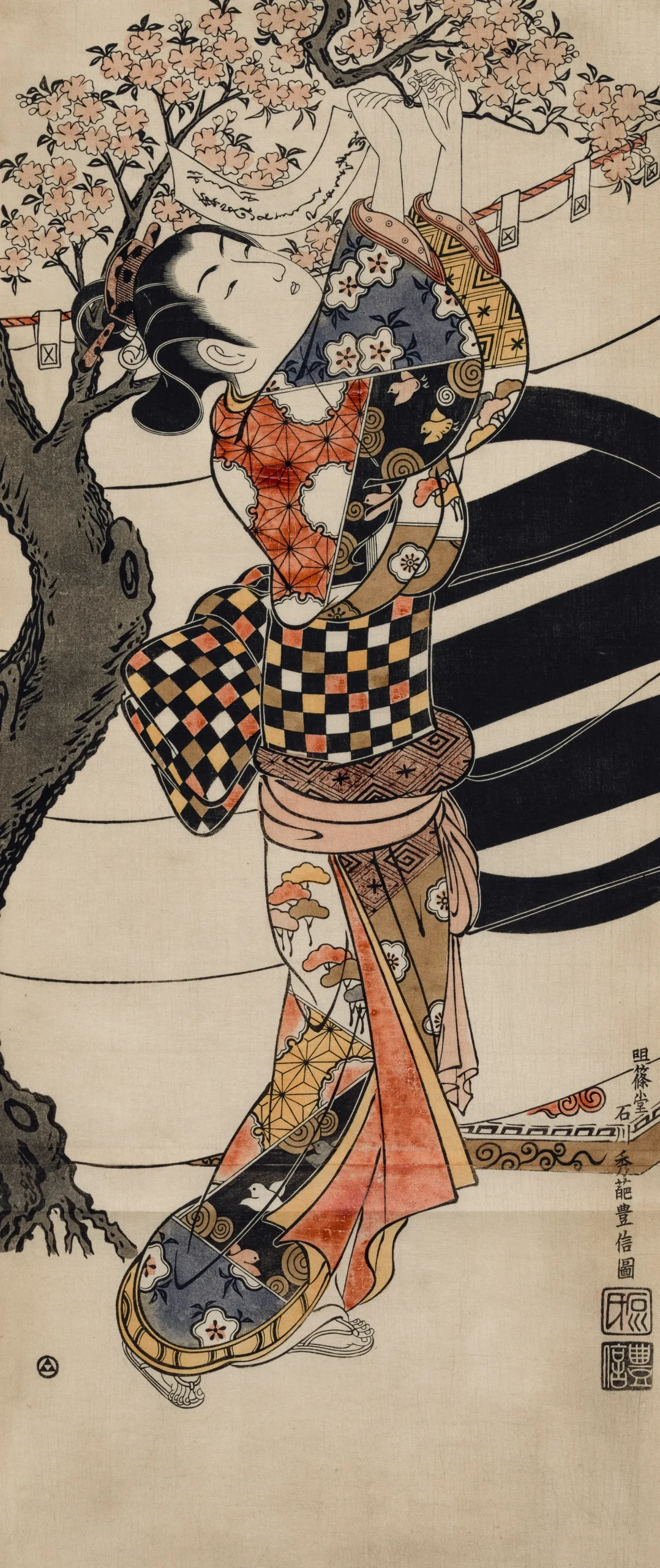
Before visiting a ukiyo-e museum in Tokyo, it helps to understand tickets, opening hours, and age restrictions if they have any. Most ukiyo-e museum Tokyo locations are compact and easy to explore in a short time, but policies can vary. Here is what you should know before planning your visit.
Admission Fees
Ukiyo-e museum Tokyo tickets are generally affordable compared to large national museums. Admission fees usually range between ¥1,000 and ¥1,500 for adults, depending on the exhibition. For example, tickets for the Shinjuku Kabukicho Ukiyo-e Shunga exhibition are around ¥1,100, while Sumida Hokusai Museum tickets and Ota Memorial Museum admission often fall within a similar range. Special exhibitions may cost slightly more, so it is best to check the official website before visiting.
How Long to Spend
Most visitors spend about 60 to 90 minutes at a ukiyo-e museum Tokyo. These museums are smaller than major art institutions, but the detailed woodblock prints require slow viewing. If you are visiting both the Sumida Hokusai Museum and the Ota Memorial Museum of Art, plan for at least half a day to enjoy them without rushing.
Photography Rules
Photography rules vary by museum. In many ukiyo-e museums in Tokyo, taking photos of original woodblock prints is not allowed, especially during special exhibitions. However, lobby areas or selected displays may permit photography. Always check signs inside the museum before taking ukiyo-e museum photos to avoid issues.
Final Thoughts: Which Ukiyo-e Museum Should You Visit?
If you are visiting a ukiyo-e museum in Tokyo for the first time, I think the Sumida Hokusai Museum offers the clearest introduction to Hokusai and Edo-period art. For a more traditional and focused woodblock print experience, in my opinion, the Ota Memorial Museum of Art is the best ukiyo-e museum Tokyo option. If you are curious about the lesser-known world of shunga, I feel the Shinjuku Kabukicho exhibition provides a unique and eye-opening perspective.
Each ukiyo-e museum Tokyo tells a different story, and I believe the best choice depends on what kind of cultural experience you are truly looking for.
Many visitors include a ukiyo-e museum when exploring Tokyo’s art and culture. Checking tickets beforehand can make your visit smoother.
FAQ About Ukiyo-e Museums
Where can I see ukiyo-e in Japan?
You can see ukiyo-e at several museums across Japan, especially in Tokyo. The Sumida Hokusai Museum and the Ota Memorial Museum of Art are among the best ukiyo-e museum Tokyo options. Outside Tokyo, the Japan Ukiyo-e Museum in Matsumoto and the Kamigata Ukiyo-e Museum in Osaka also display original woodblock prints. Major institutions like the Tokyo National Museum occasionally exhibit ukiyo-e as well.
Is ukiyo-e still made today?
Yes, ukiyo-e style woodblock prints are still produced today. While the Edo-period masters such as Hokusai and Hiroshige defined the genre, modern artisans continue traditional carving and printing techniques. Some contemporary artists reinterpret ukiyo-e themes using both classic and digital methods. However, most ukiyo-e museums in Tokyo primarily exhibit historical works rather than newly produced prints.
Are ukiyo-e museums worth visiting?
Yes, ukiyo-e museums are worth visiting if you are interested in Japanese art, history, or culture. These museums are smaller than major art institutions, but they offer focused exhibitions and close viewing of original woodblock prints. A ukiyo-e museum Tokyo visit typically takes about 60 to 90 minutes, making it easy to combine with other sightseeing. The experience is especially meaningful if you want to understand Edo-period life and aesthetics.
What is the difference between ukiyo and Ukiyo-e?
Ukiyo originally referred to the “floating world,” meaning the pleasure districts and entertainment culture of the Edo period. Ukiyo-e literally means “pictures of the floating world” and describes the woodblock prints that depicted that lifestyle. In short, ukiyo is the cultural concept, while ukiyo-e is the art form that visually represented it.
What is the most famous ukiyo-e print?
The most famous ukiyo-e print is “The Great Wave off Kanagawa” by Katsushika Hokusai. Created in the early 19th century, it is part of the series “Thirty-Six Views of Mount Fuji.” The image of the towering wave has become one of the most recognized artworks in the world and is often the highlight of exhibitions at a ukiyo-e museum Tokyo, especially at the Sumida Hokusai Museum.