ABOUT
What Is the Shinjuku Kabukicho Shunga Exhibition: WA?
The Shinjuku Kabukicho Shunga Exhibition: WA is a series organized by Smappa!Group, guided by the vision of sharing Japanese culture from Kabukicho with the world.
Shunga, often called warai-e (“pictures of laughter”), was enjoyed collectively in the Edo period, with people laughing together as they viewed the images. Within this laughter lies a condensed expression of human humor, desire, and affection.
Kabukicho, too, is a place that embraces all who arrive, where countless lives intersect day and night.
Overflowing with humanity and affirming the richness of human emotion, Kabukicho may be deeply connected to the world of shunga.
The title “WA” carries layered meanings:
・Wa (和): harmony, Japanese culture, peace of mind
・Wa (輪): circles of connection formed through gathering, conversation, and laughter
・Wa (笑): laughter itself
Through shunga, the Shinjuku Kabukicho Shunga Exhibition: WA aims to be an open space where people, the city, and culture gently connect—giving rise to new forms of WA.
Shunga: Playful, Alluring, and Timeless Art that Fascinated the Edo People
Sensual yet humorous, beautiful yet engaging—shunga is art that continues to captivate viewers today. During the Edo period, it enthralled everyone—men and women, commoners and aristocrats alike—transcending gender and class. Often called warai-e (laughing pictures) or marked with the playful symbol “わ” (wa), shunga was enjoyed both privately and socially, shared in groups for laughter and layered interpretation.
Shunga offered titillation and a playground for imagination, woven into the rhythms of daily life.
At the Core of Ukiyo-e Expression
For ukiyo-e artists of the time, shunga was an essential means of creative expression. It’s often said that “no ukiyo-e artist ever avoided shunga.” From Utamaro to Hokusai and Kuniyoshi, nearly all major figures contributed to the genre, which represents a significant dimension of ukiyo-e. Amid the refined yet risqué spirit of Edo culture, artists used the Tokugawa shogunate's ban on shunga to their advantage, infusing their prints with mastery, wit, and defiance. Shunga thrived at the intersection of refinement and vulgarity in Edo culture.
Echoes and Layers of Classical References
Many shunga prints are inspired by and reference classical Chinese poetry, waka, and traditional literature. Beyond their visual appeal, viewers are drawn to decode layered allusions and disguised references—yatsushi (disguise) and mitate (parody)—stimulating intellectual curiosity and offering multiple meanings. Far from being merely provocative sensual art, shunga embodies the overlapping spheres of Japanese tradition, storytelling, and artistic play—a true representation of wa.
Shunga at a New World of “Wa” in the Heart of Kabukicho
Now, this rich tradition comes alive in one of the world’s most vibrant entertainment districts: Shinjuku Kabukicho. Amid neon lights, crowds, izakaya, nightclubs, host clubs, and love hotels, this district reflects the same cocktail of desire, illusion, and human drama found in Edo-era shunga. The Shinjuku Kabukicho Noh Theater emerges as a modern-day playground, deeply connected to the world of shunga.
The entrance to the Noh theater—bathed in contemporary fantasy—becomes a modern-day sandō, a spiritual path back to the Edo period. Stepping inside, visitors will encounter a space where Edo-period art meets the energy of contemporary urban life.
We invite all guests—regardless of gender, nationality, profession, or faith—to relax their differences and explore the joyful, humorous, and sensual wit of Edo-era shunga through the eyes of its great masters: Hishikawa Moronobu, Kitagawa Utamaro, Katsushika Hokusai, and Utagawa Kuniyoshi.
Welcome to a new world of “Wa” that begins here.
Core Themes of the Exhibition
-
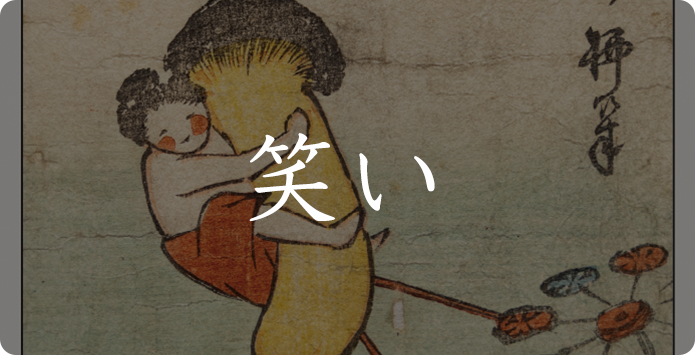
1. Laughter:Shunga was historically referred to as "laughing pictures" (warai-e), enjoyed collectively with shared laughter. This exhibition aims to allow visitors to temporarily forget their everyday stresses, laugh freely like the people of Edo, and rediscover the joy of open, uninhibited humor. We aspire to expand the circle of laughter—wa—across time and cultures.
-
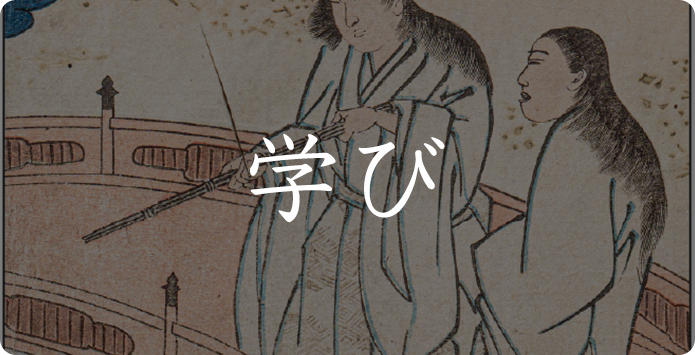
2. Learning:By showcasing shunga from various eras of the Edo period, the exhibition highlights shifts in color schemes, composition, motifs, and techniques. Educational captions and contextual explanations provide visitors with insights not only into shunga but also into the broader cultural context of Edo Japan.
-
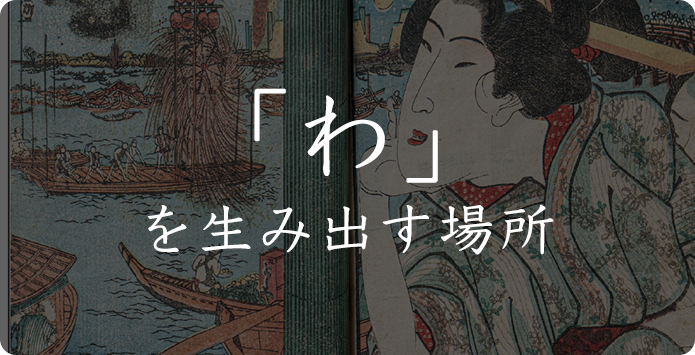
3. A Place for “Wa”:Kabukicho, like Edo, welcomes all visitors with open arms. Edo developed around the “Five Routes” (Gokaidō), with post towns thriving along each path. This exhibition reflects Edo’s openness, creating a space where all visitors—regardless of gender, age, profession, nationality, or faith—can connect through the diverse meanings of "wa": circle, harmony, and Japan.
About the Curator:Mitsuru Uragami
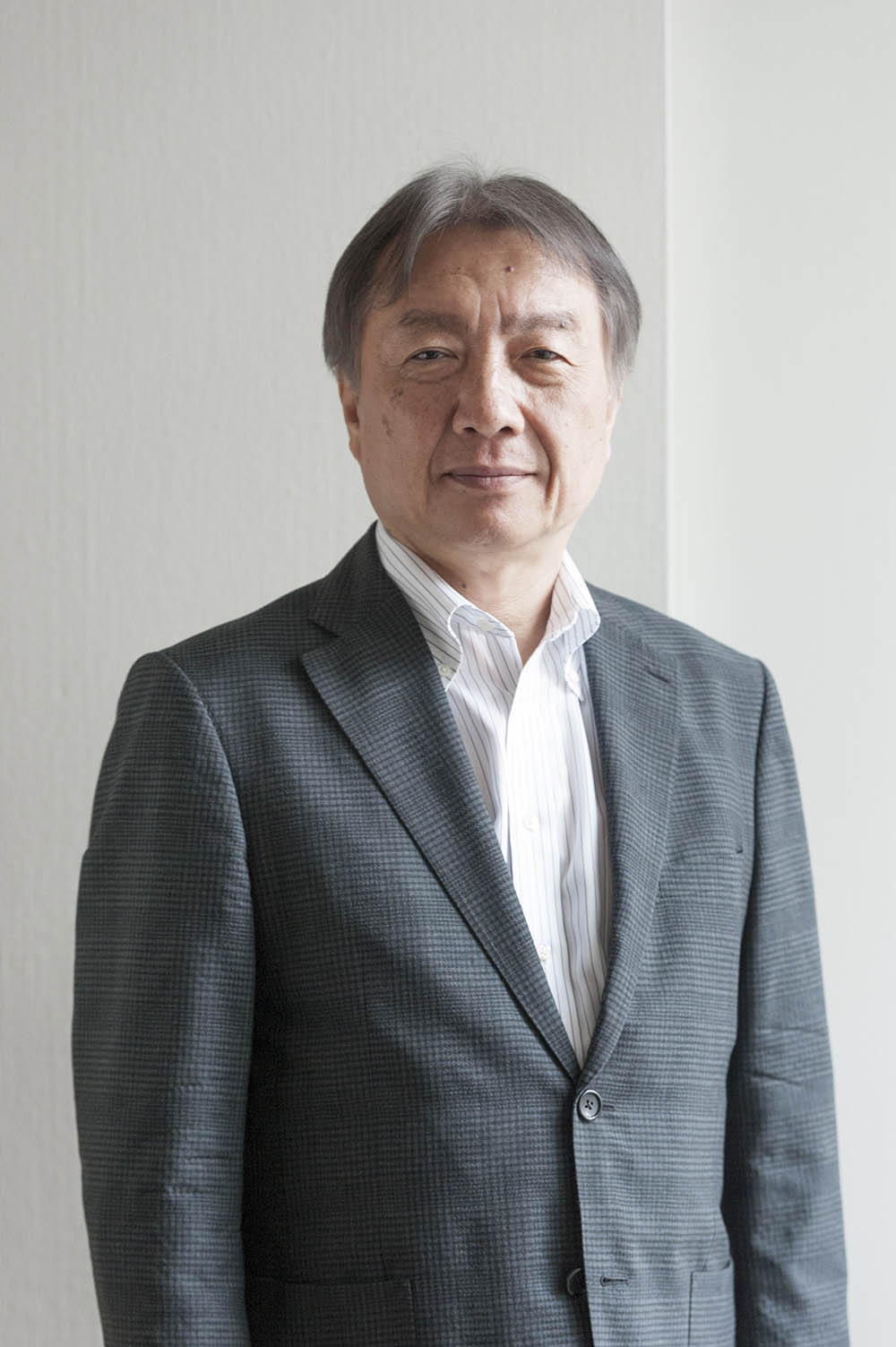
PROFILE
Influenced from an early age by his father, Toshiro Uragami, an avid collector and Honorary Director of the Hagi Uragami Museum, Mitsuru Uragami developed a deep engagement with classical art. After training at Mayuyama Ryusendo, he founded Uragami Sōkyūdō in 1979. He has organized numerous exhibitions and became the first Japanese art dealer to participate continuously in the International Asia Art Fair in New York for 11 years beginning in 1997, also serving on its vetting committee. He contributed significantly to major shunga exhibitions, including the 2013 British Museum exhibition through the establishment of Shunga in Japan LLP, and the 2015 exhibition at Eisei Bunko Museum. His collection of Hokusai Manga is widely regarded as the largest and most comprehensive in the world. Executive Board Member, International Ukiyo-e Society Special Member, Society for the Study of Oriental Ceramics http://www.uragami.co.jp/
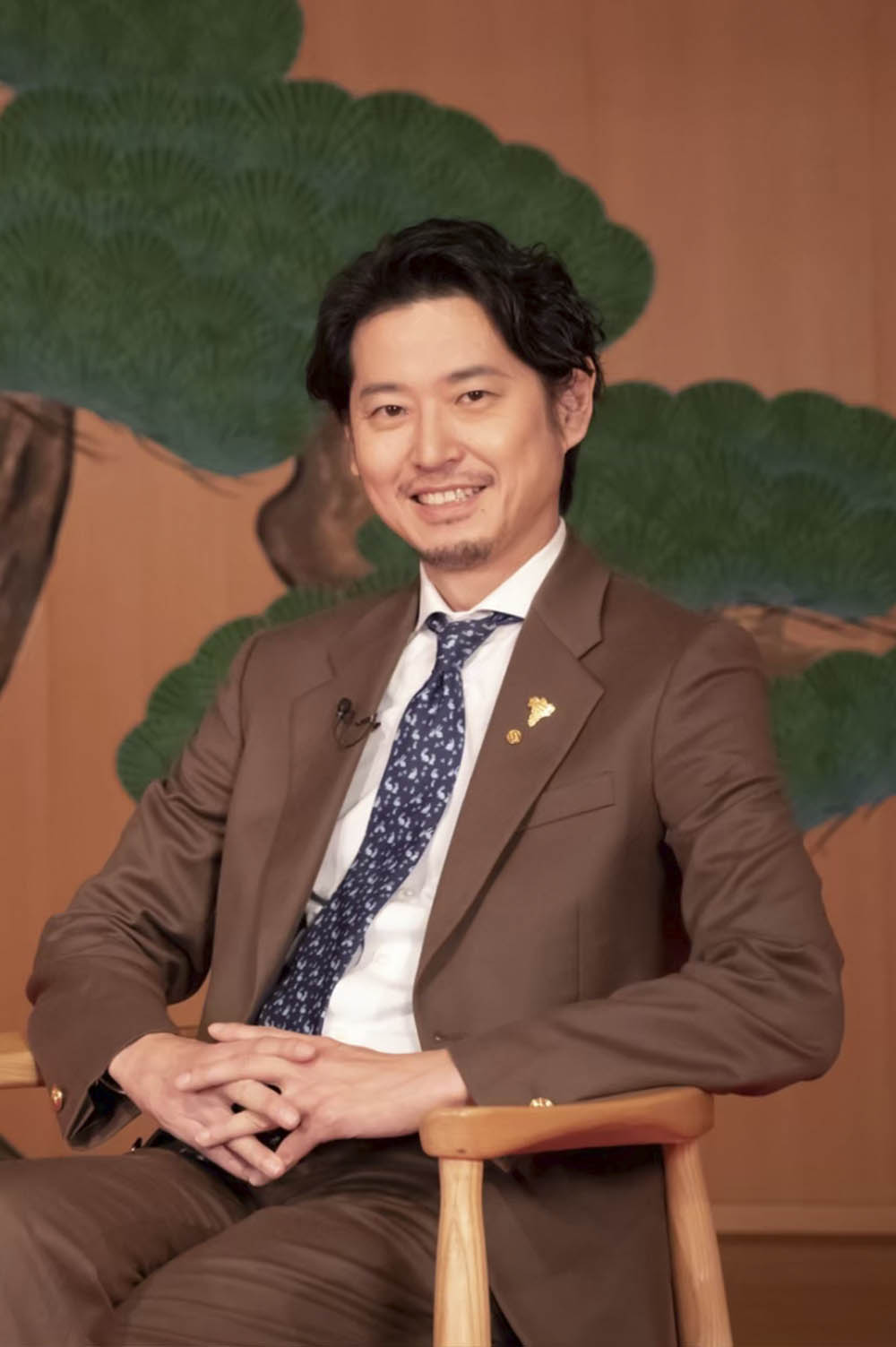
Project DirectorMaki Tezuka
PROFILE
Chairman of Smappa!Group, which operates more than 20 establishments in Kabukicho, including host clubs, bars, restaurants, and salons. Born in 1977 in Saitama Prefecture. Executive Director of the Kabukicho Shopping District Promotion Association. Certified Sommelier (Japan Sommelier Association). After becoming a top-ranking host, he founded his own business and later launched the volunteer organization Yatagarasu no Kai, conducting nighttime street-cleaning activities. He also serves as a board member of the NPO Green Bird. In 2017, he opened Kabukicho Book Center, the district’s first bookstore, and in 2018 launched a caregiving business grounded in hospitality principles. Author of Shinjuku Kabukicho (Gentosha).
Art Director
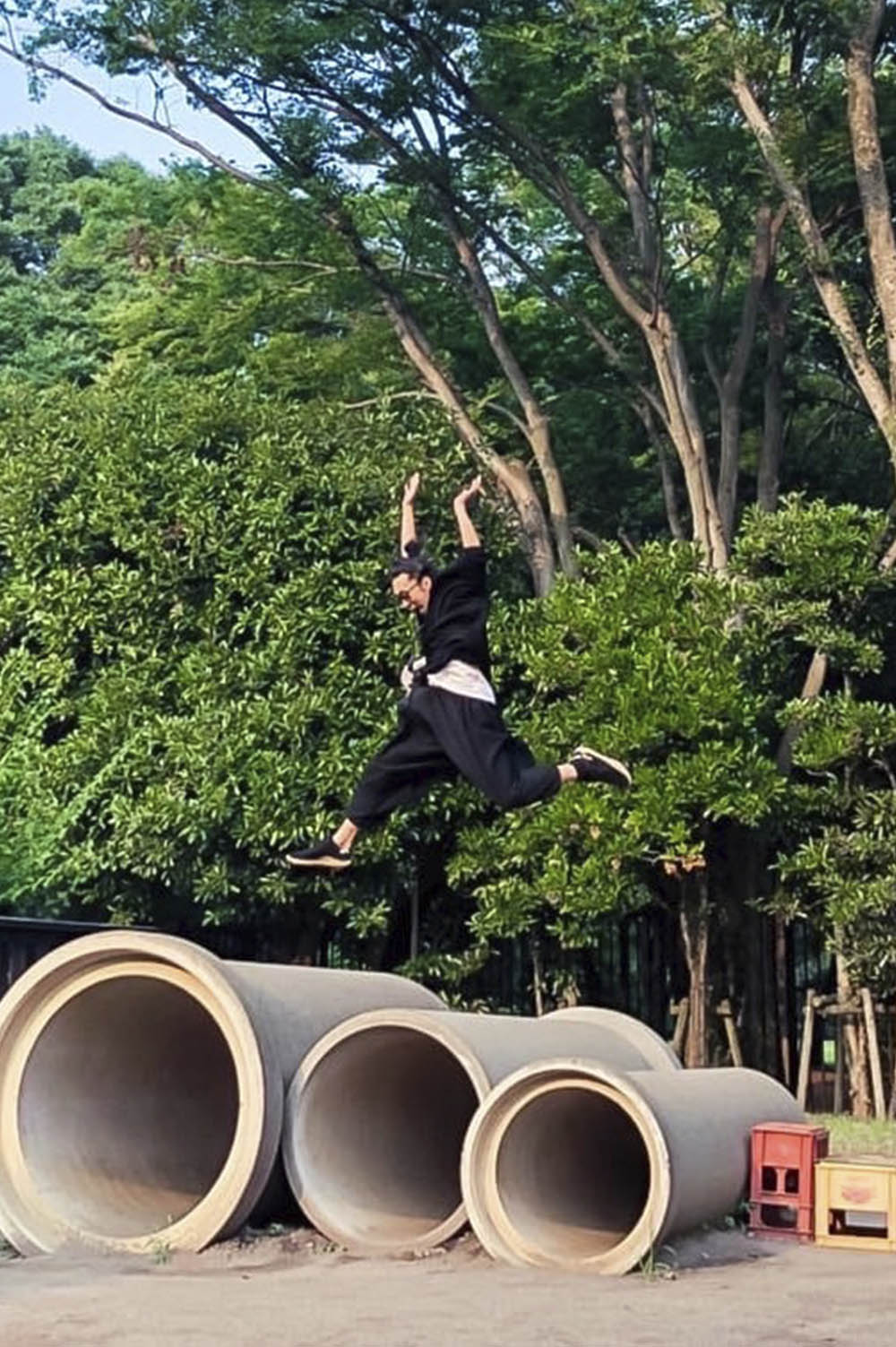
Yasutaka Hayashi(Chim↑Pom from Smappa!Group)
PROFILE
Member of the artist collective Chim↑Pom from Smappa!Group, founded in 2005. Based in Tokyo, his practice spans media and geography, participating in exhibitions worldwide. Winner of Emerging Artist of the Year (Grand Prize) at the 2015 Prudential Eye Awards. Held a retrospective exhibition at the Mori Art Museum in 2022. His works are held in major collections, including the Guggenheim Museum and Centre Pompidou.
Copyright © Smappa! Group / SCRAMRICE Ltd. All Rights Reserved.