COMMENT
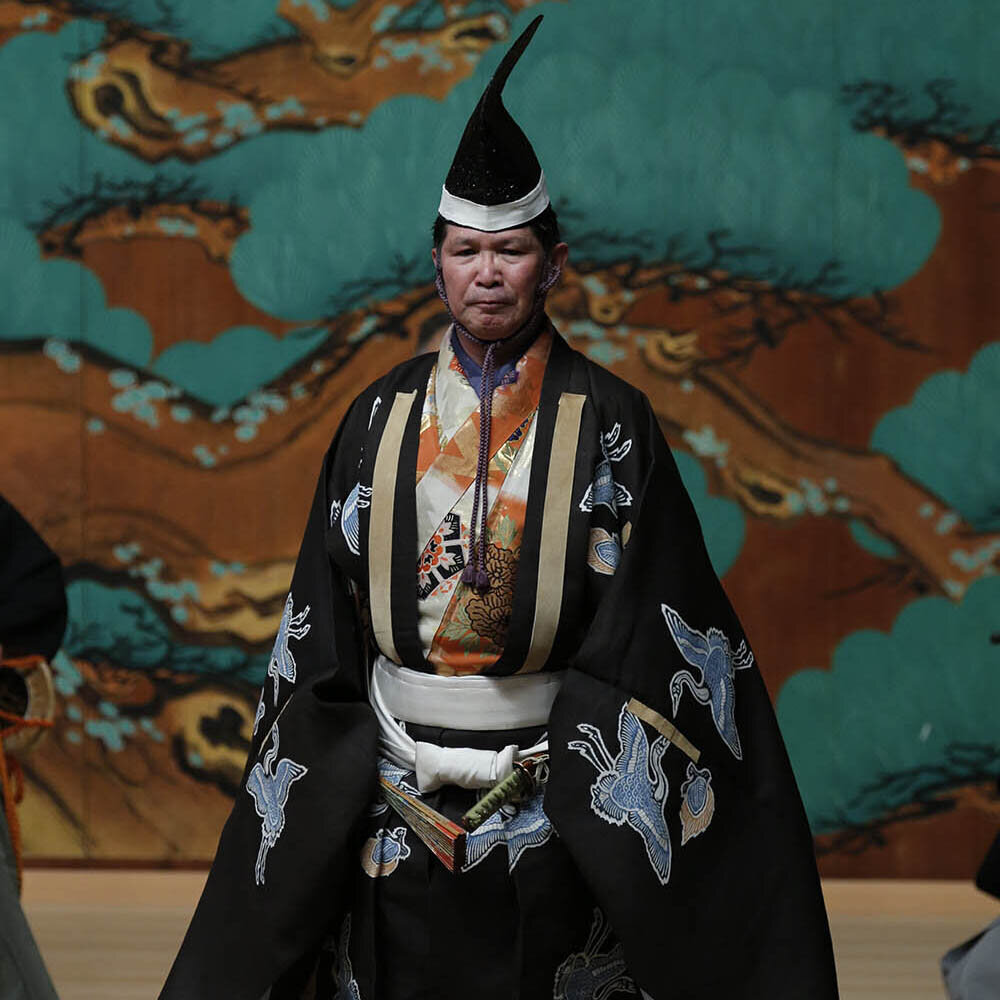

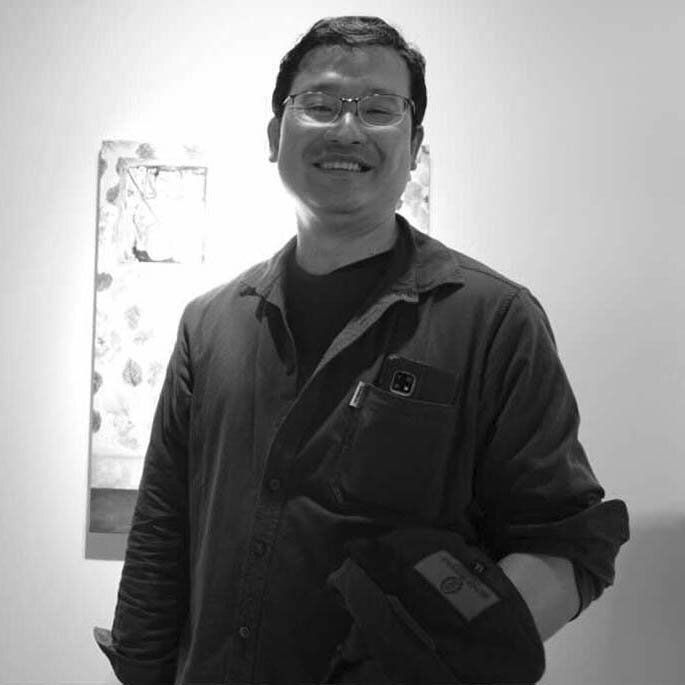
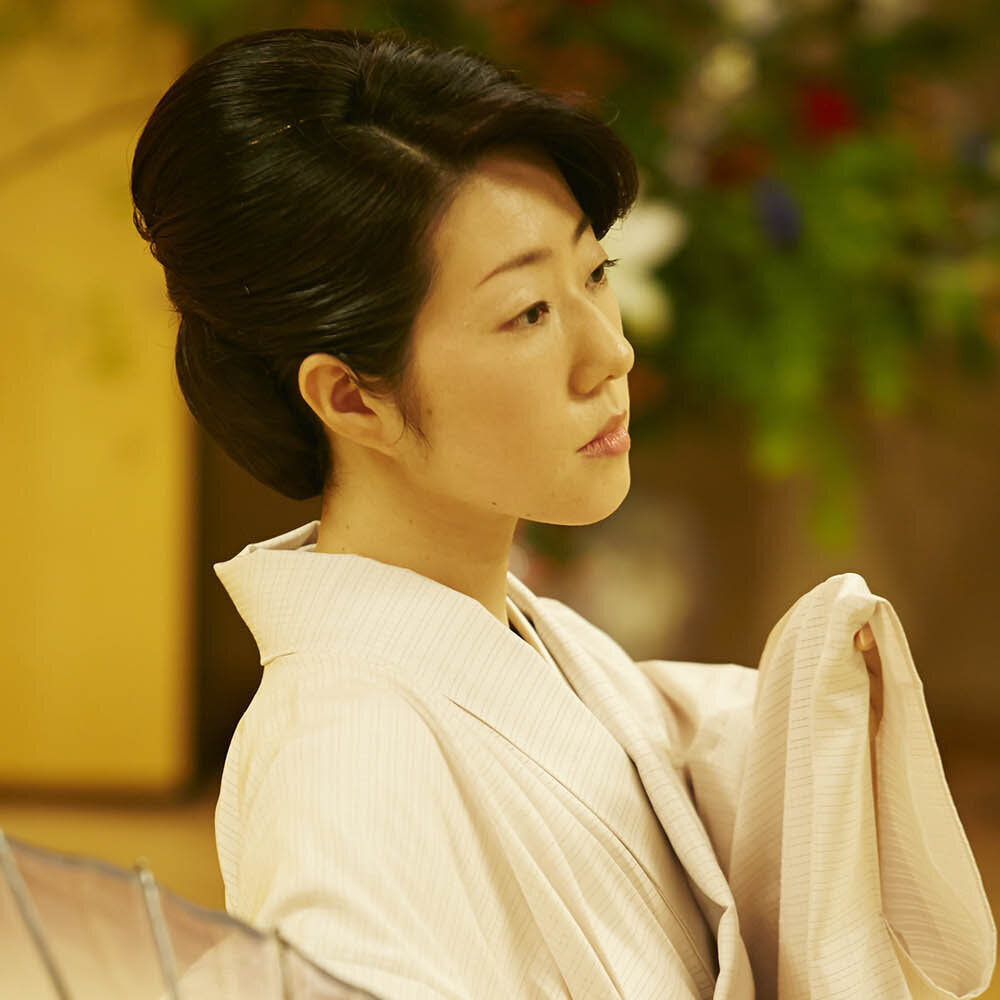
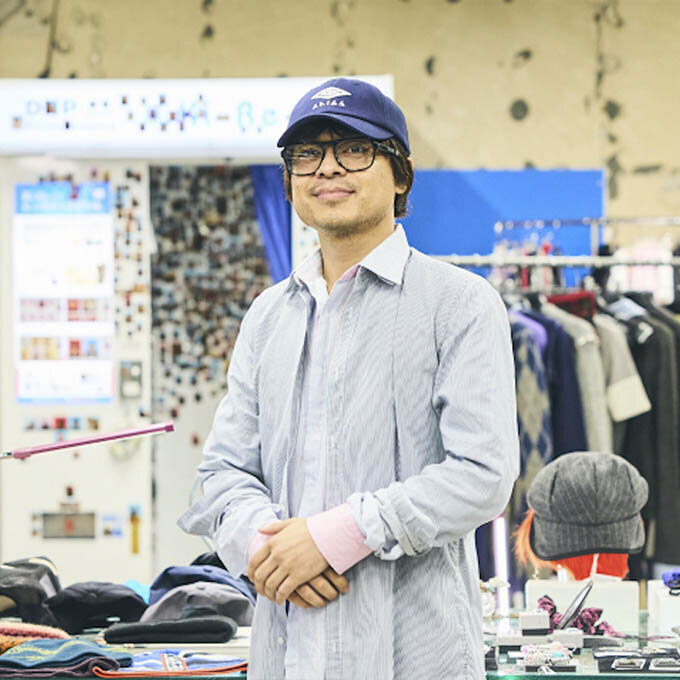
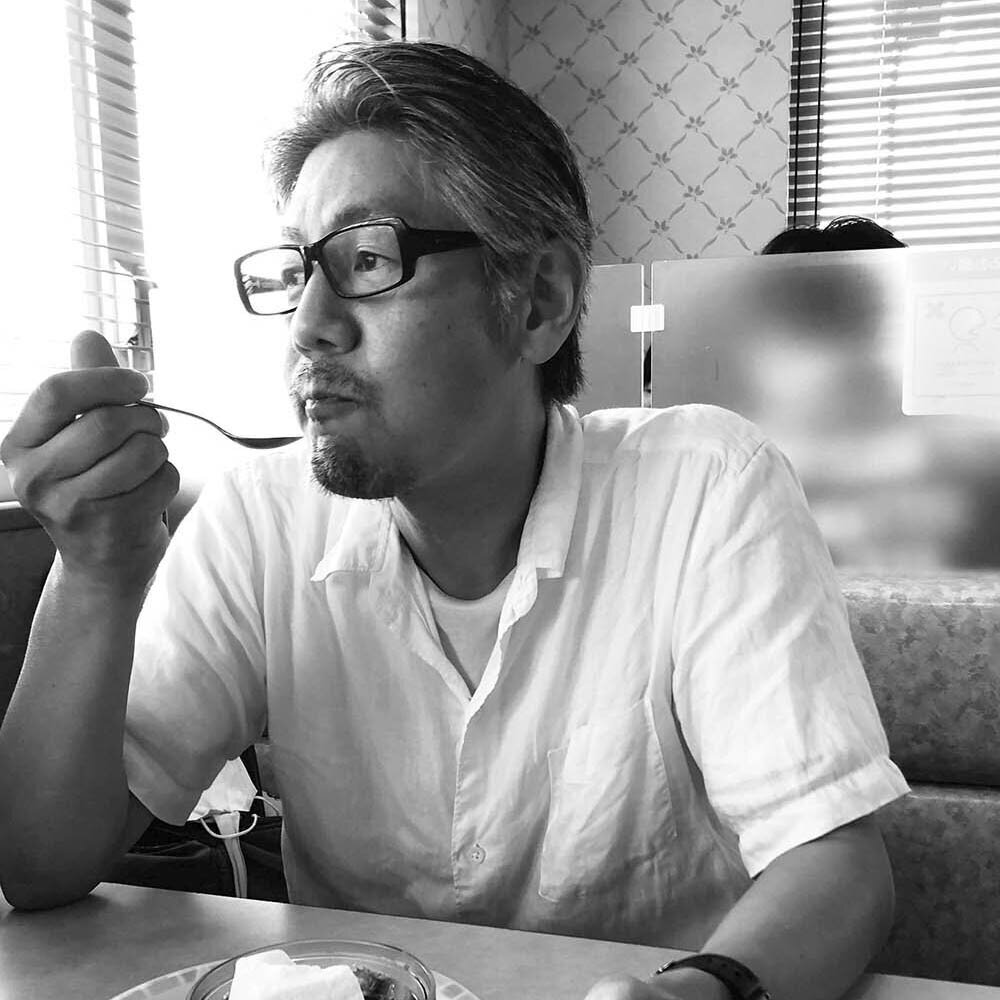
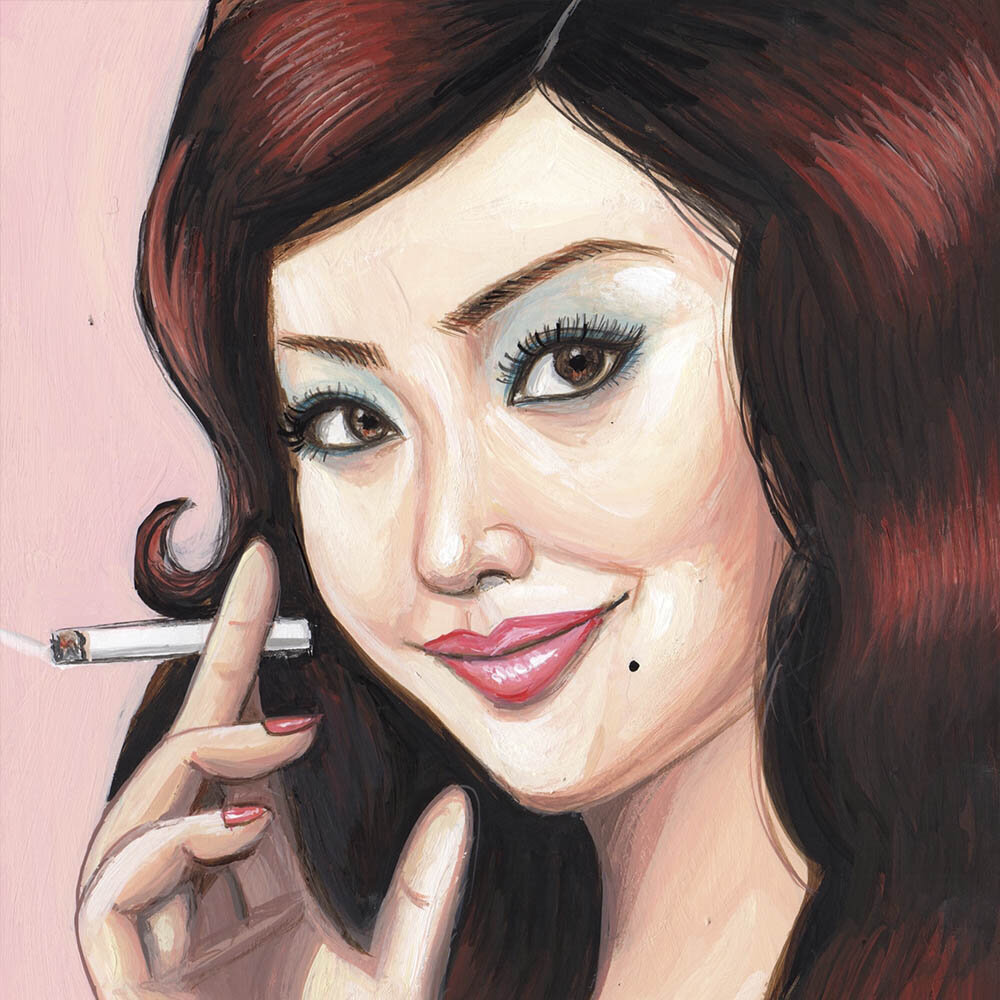
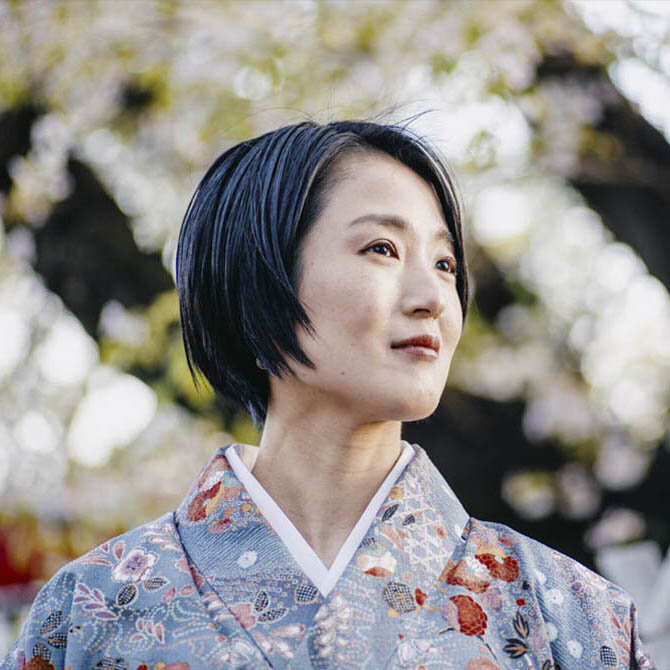
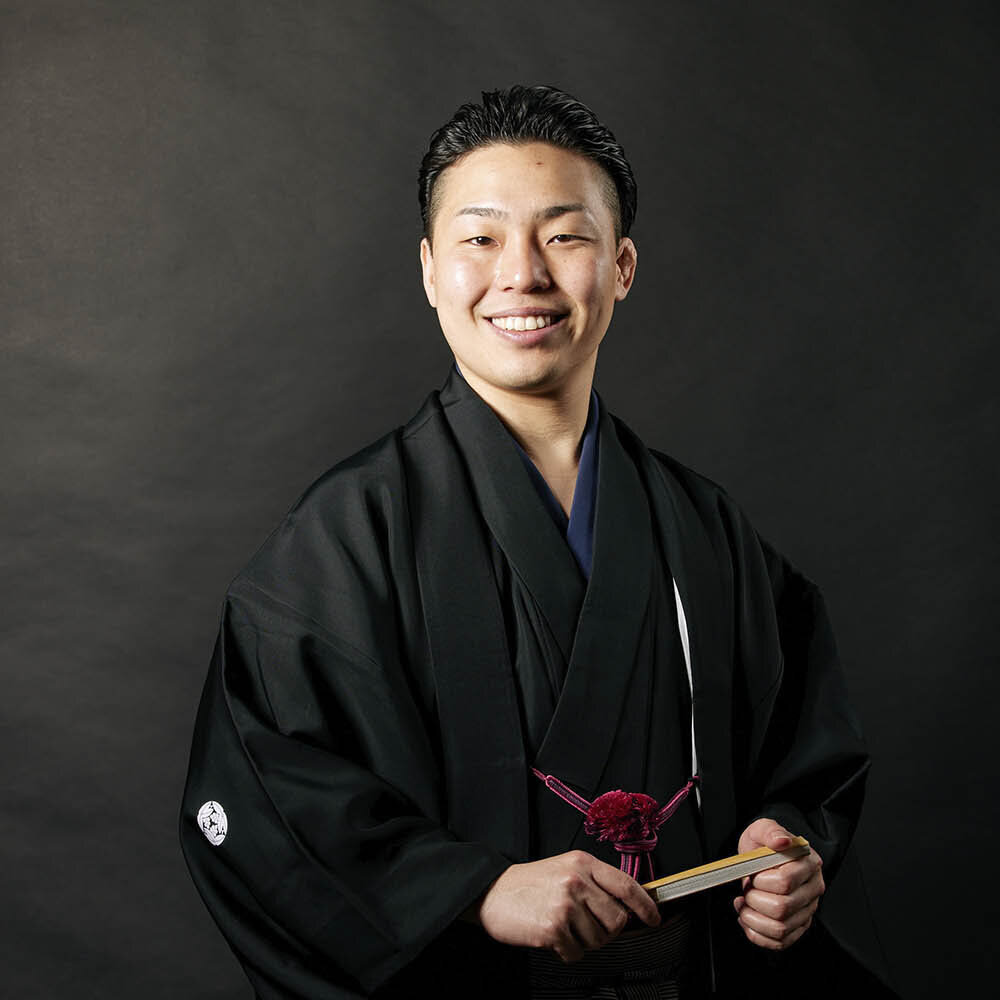
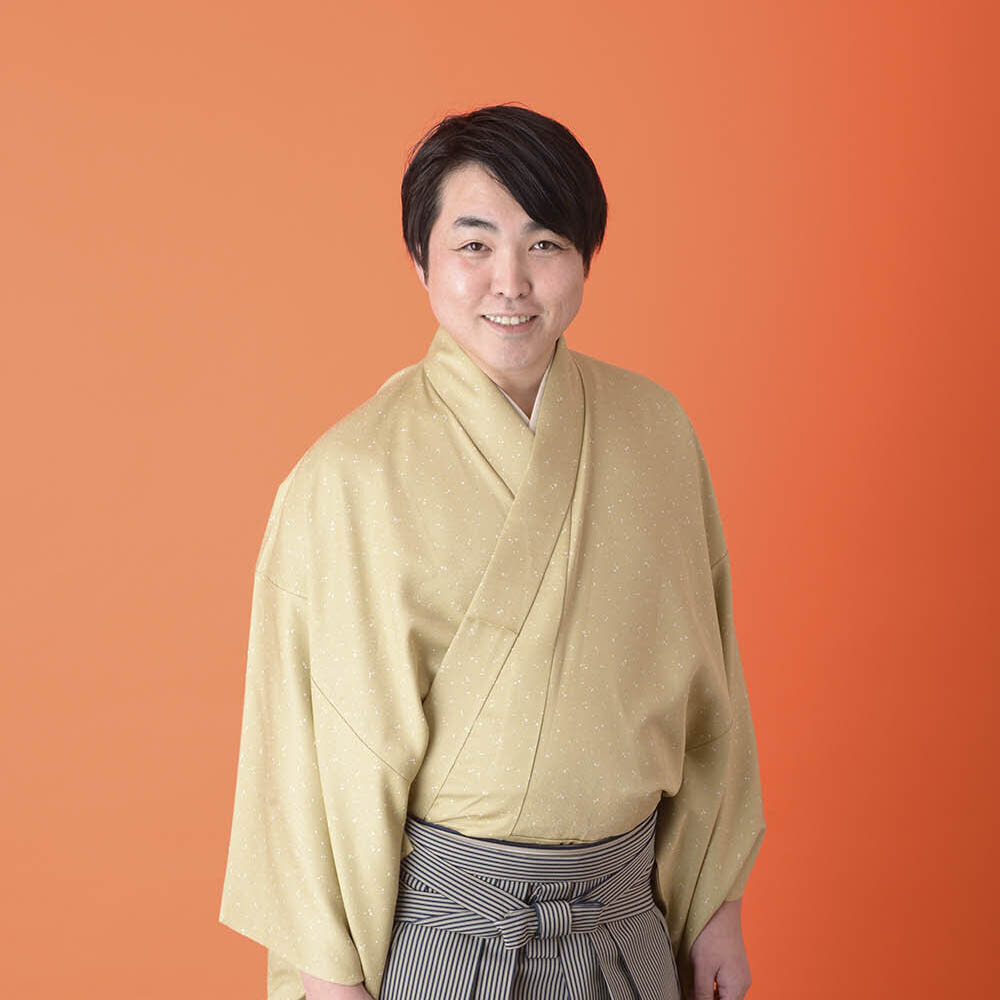
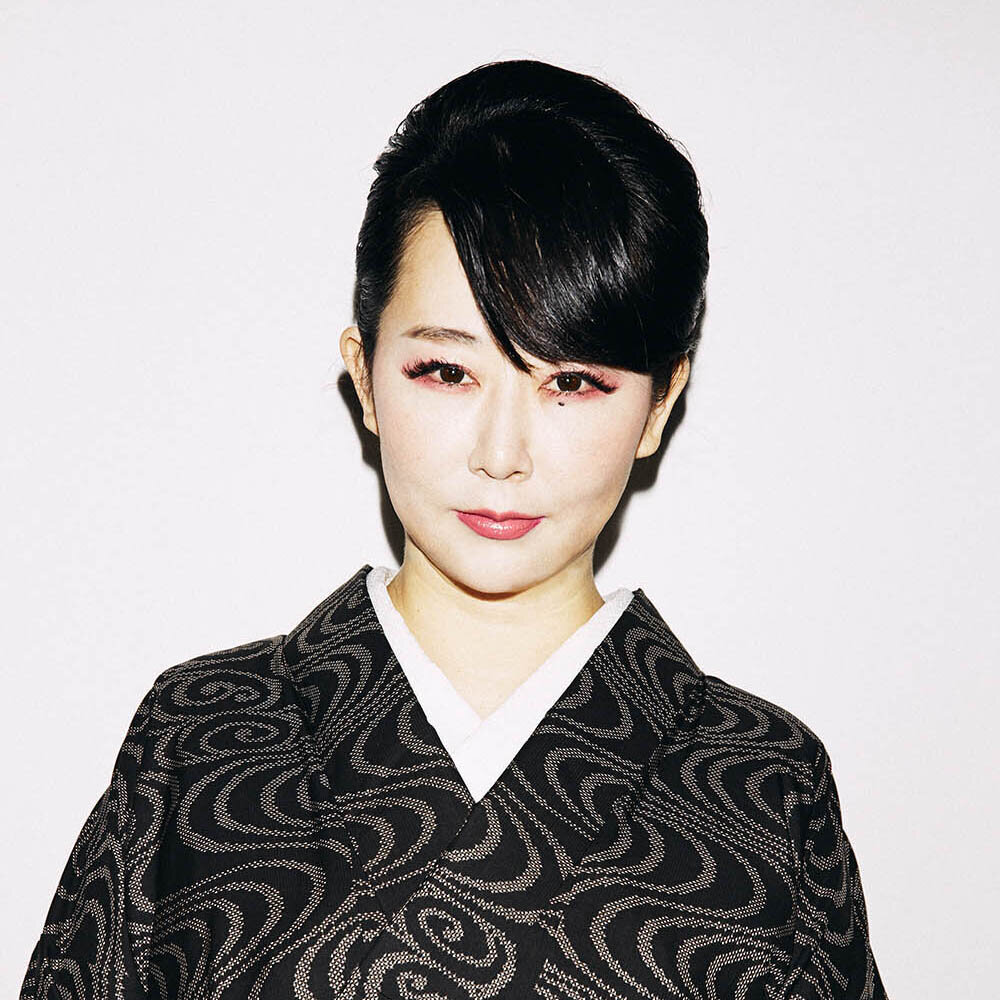
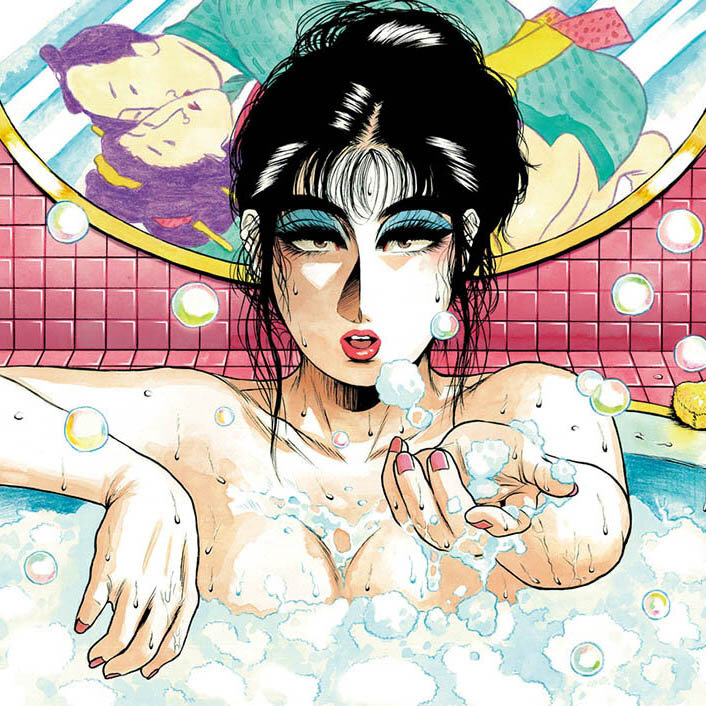

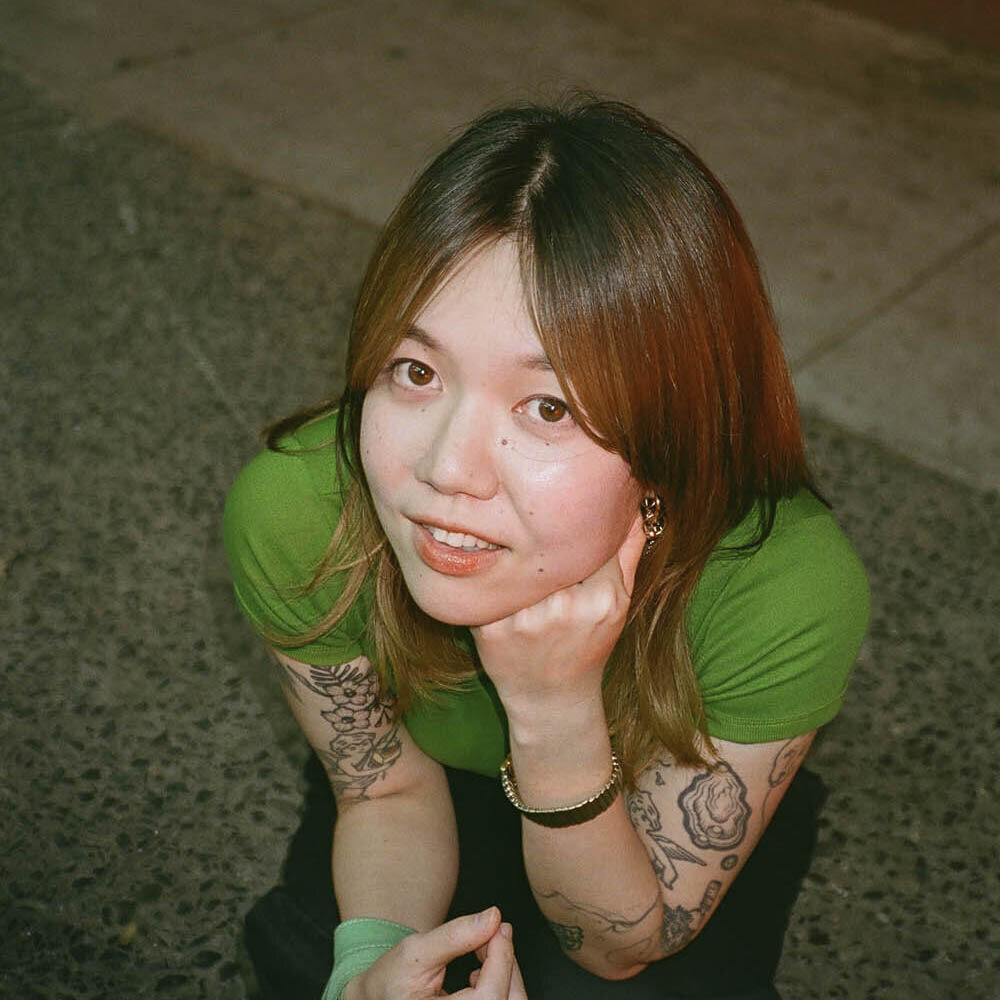
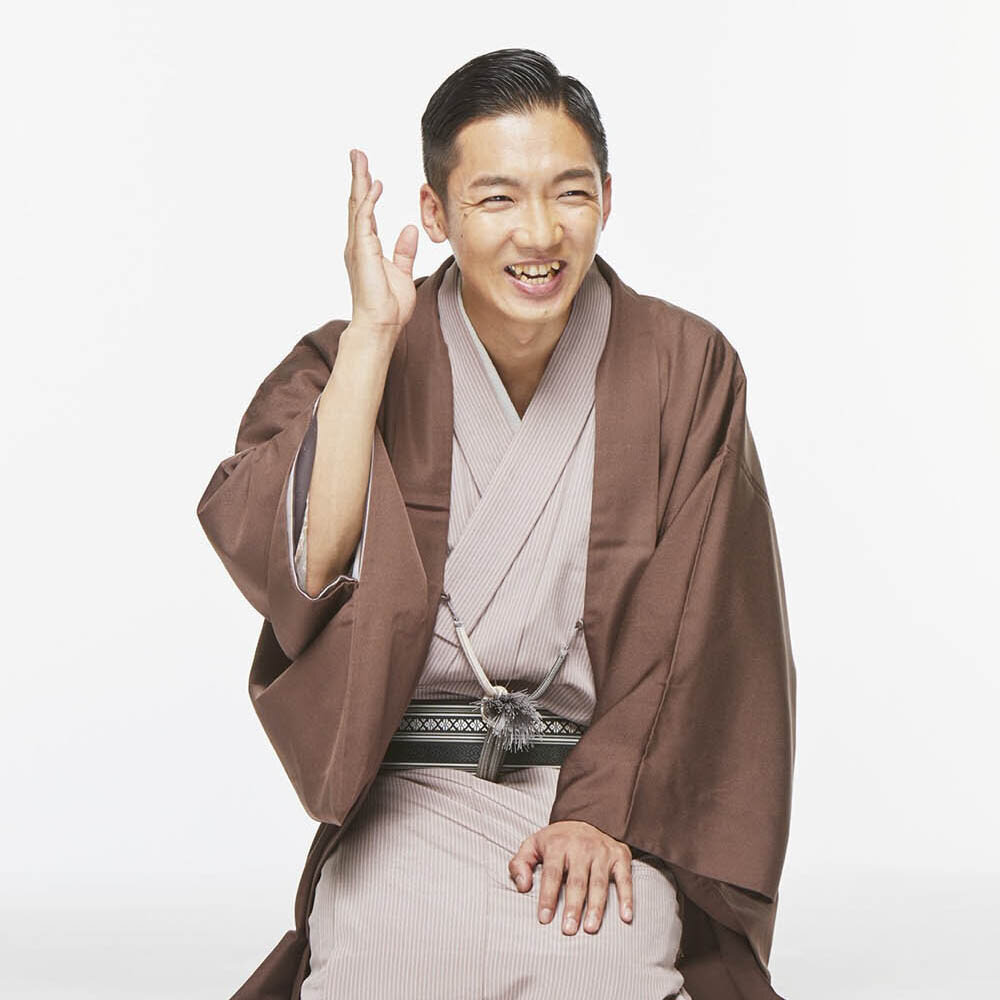
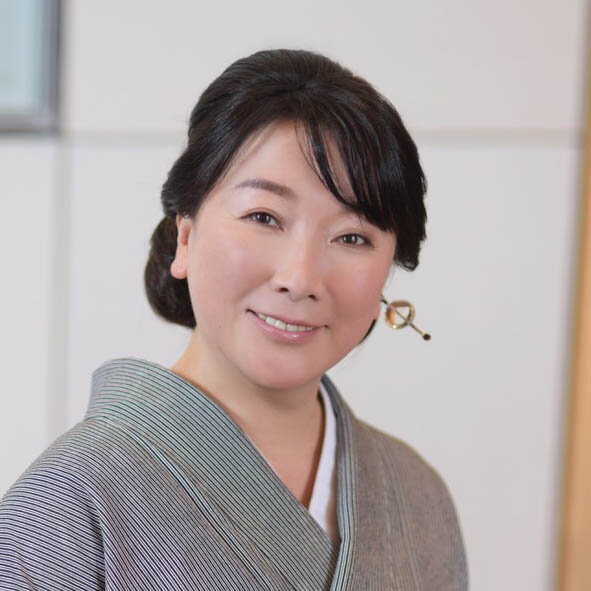
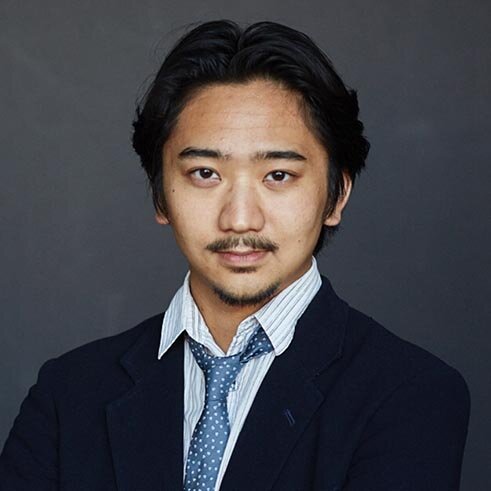
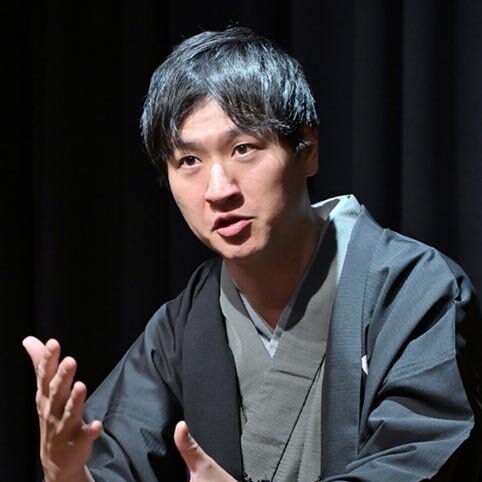
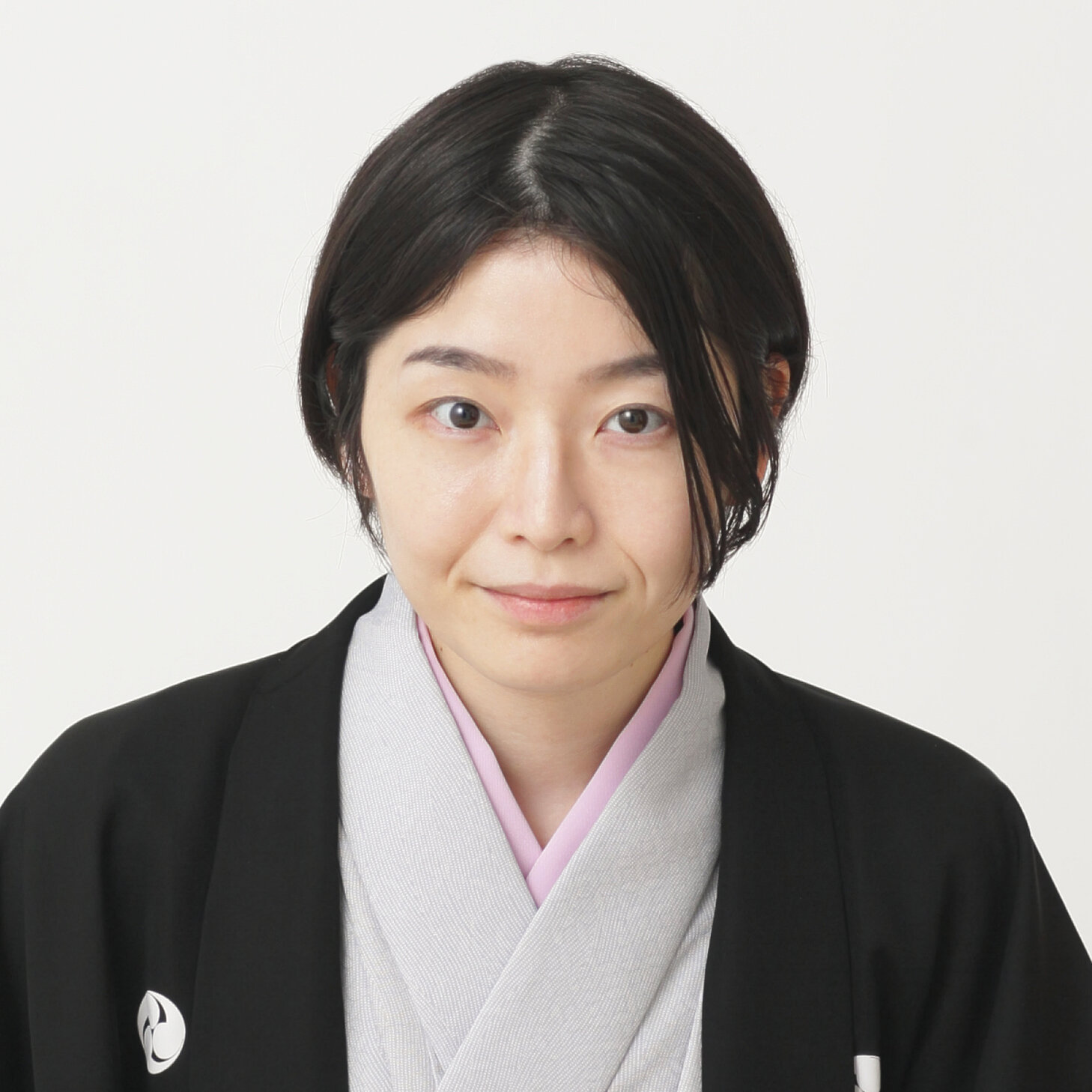
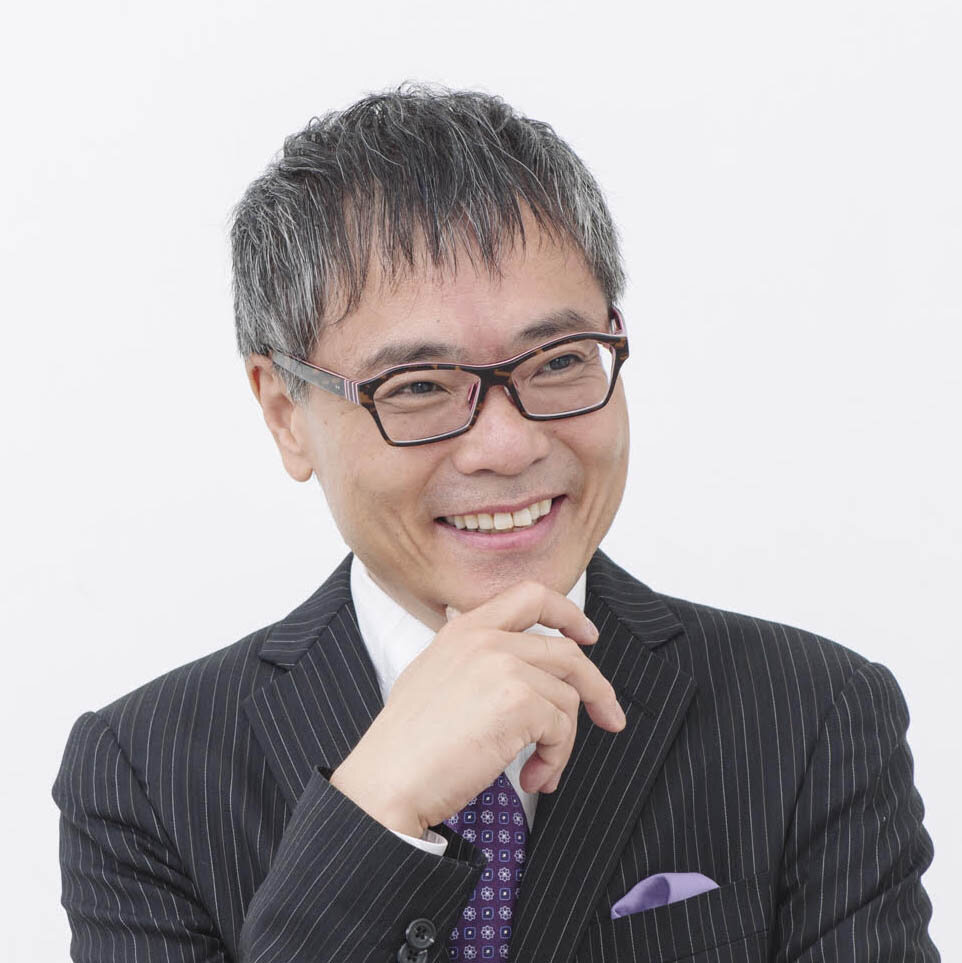
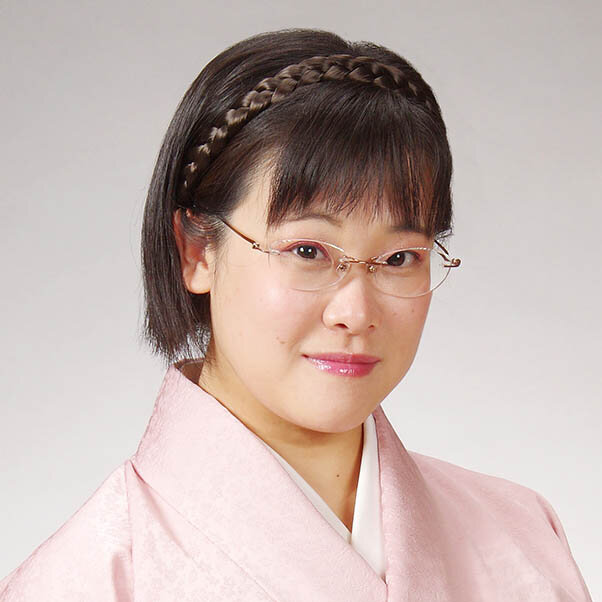
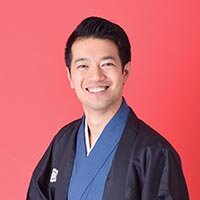
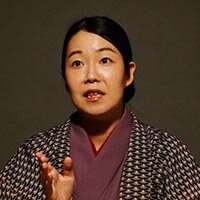


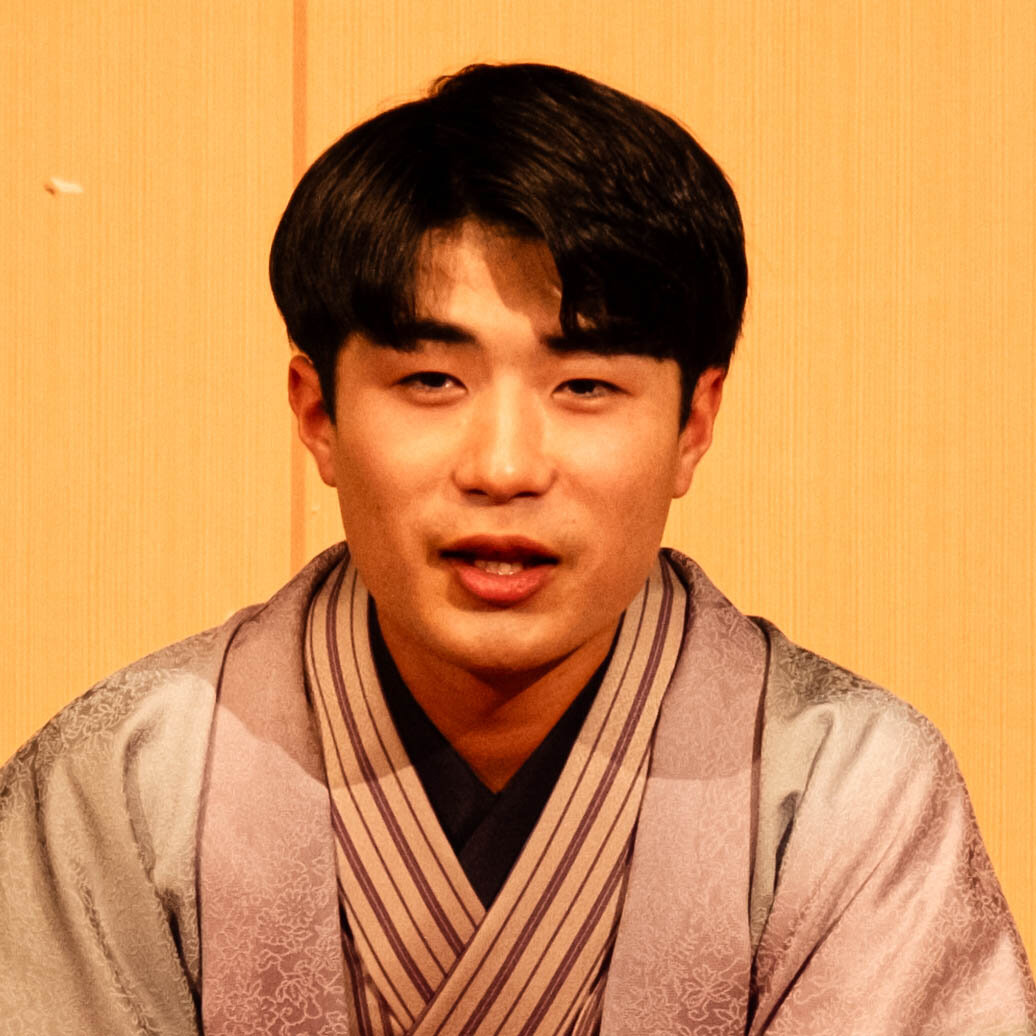
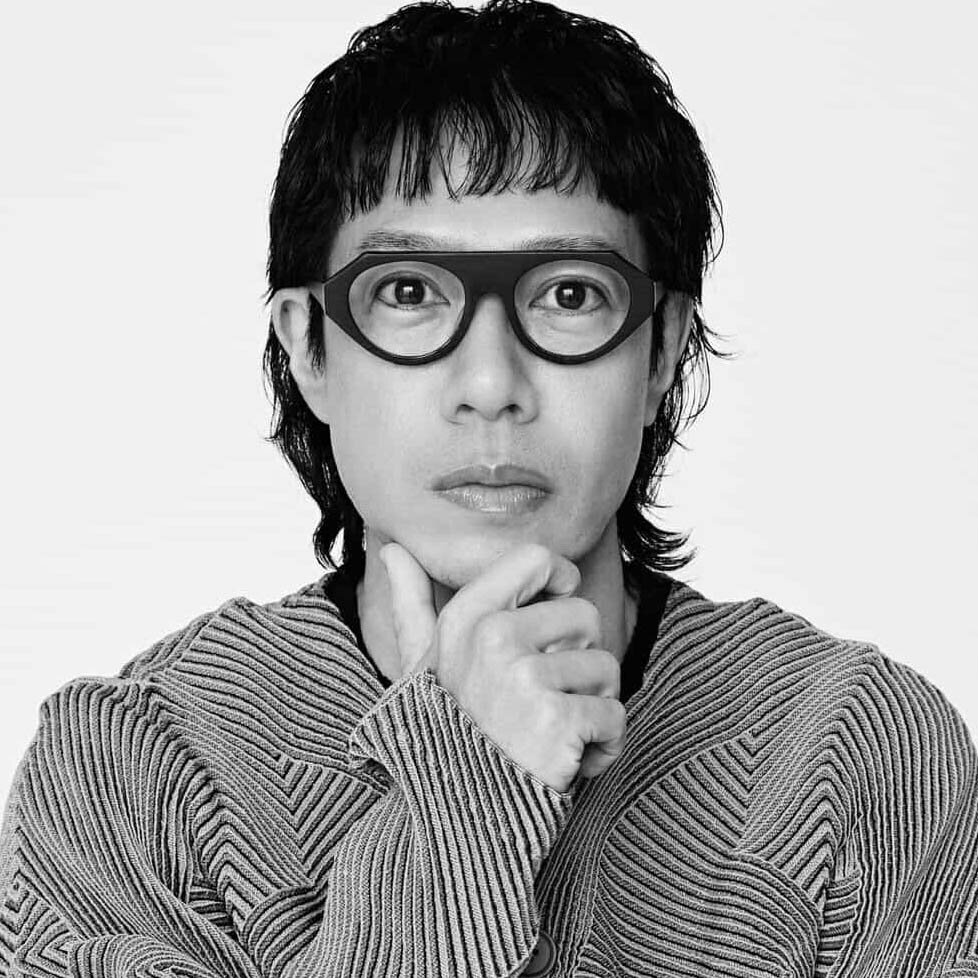
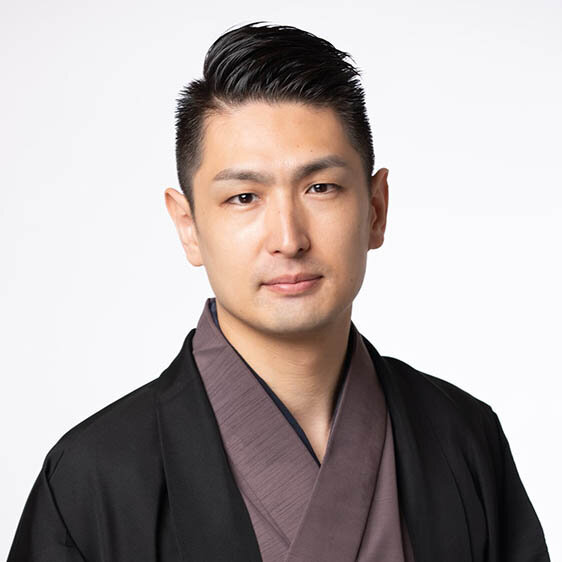
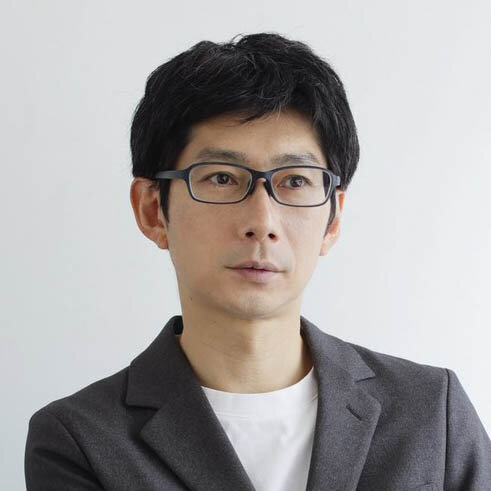
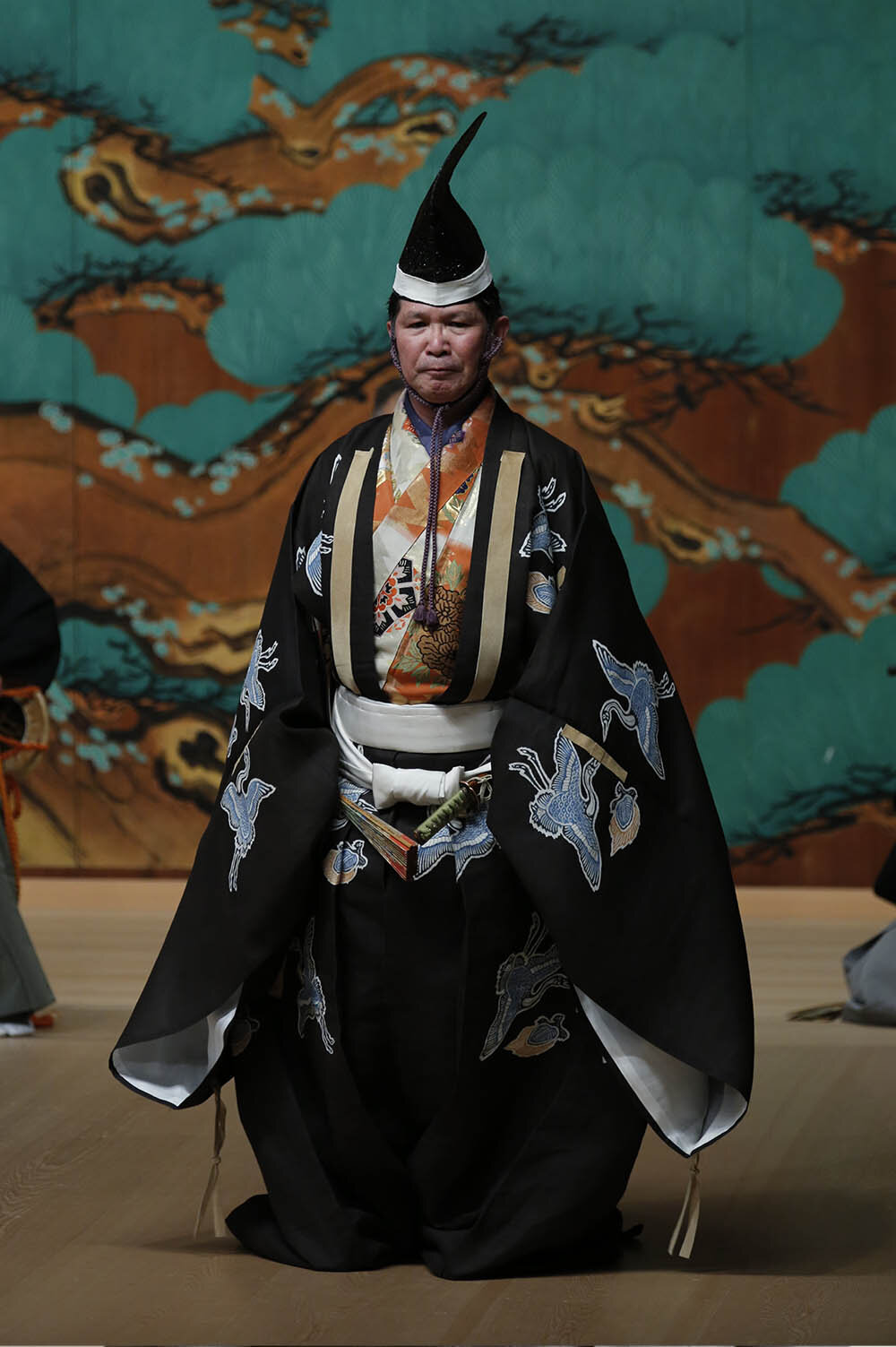
Noh performer Noboru Yasuda
MESSAGE
Eroticism in Japan was vibrant and unapologetically joyful.The ancient god Izanagi once said to the goddess Izanami,
"How about I use my protruding part to plug your open part and create a child?"
To which the goddess cheerfully replied, "Sounds good!"—and just like that, they coupled and brought life into the world.
There was a time when the sun goddess hid herself away, plunging the world into darkness. Chaos erupted. Even the evil gods, who had remained silent until then, began to stir.
In the midst of that gloom, the goddess Ame-no-Uzume appeared. She boldly exposed her breasts, accentuated her genitals, and danced atop an overturned tub, stomping her feet in rhythm. The gods watching her burst into laughter.
The Japanese word warau (to laugh) traces its roots to waru—to break open.
When the world becomes heavy, stagnant, and closed off, it is laughter—sparked by eroticism—that has the power to break things open.
Today, the world feels dark once again.
Which is exactly why we need shunga now.
And fittingly, this exhibition will take place on a Noh stage—one reminiscent of the sacred platform where Ame-no-Uzume once danced to summon back the sun.
Through this exhibition, I hope we can shake off the shadows of our time—and laugh a little, too.
Artist Makoto Aida
MESSAGE
To put it bluntly, Japanese artists excelled in the genre of erotic art known as shunga. While there are countless examples of erotic paintings around the world, shunga somehow stands out. On the other hand, we weren’t so adept at expressing things like heavy solidity or grand historical narratives. I’d like to think together with everyone about what that might mean.
Rakugo Performer / Disciple of Tsuruko Shofukutei Uko
MESSAGE
Eroticism is the very foundation of Japanese imagination!
Visual Artist Masanori Ushiki
MESSAGE
Eroticism is the very foundation of Japanese imagination!
Writer Suzumi Suzuki

MESSAGE
The charm of shunga—its eroticism, humor, and a touch of cuteness—resonates with the Japanese approach to erotic expression that has evolved over time. This includes everything from adult videos to the brilliantly humorous erotic shop signs that once filled Kabukicho. Although shunga has long been devalued domestically as obscene, we can now appreciate its charm in a corner of Kabukicho. So let’s set aside heavy theories and overthinking—and simply enjoy it!
Art Collector Yutaro
MESSAGE
It is said that the exaggerated expressions in shunga evoke laughter. This may be true when viewed alone or with close friends. But what happens when people who share genuine feelings gaze at it side by side? Might not desire and affection—not just laughter—begin to fill the space? I look forward to Smappa!Group’s uniquely envisioned second venue—a space of darkness and glitter, where men and women engage in dialogues that blur the line between reality and illusion. I strongly anticipate that it will reveal a new charm in shunga.
Japanese Classical Dancer Shizuki Yamamura
MESSAGE
Kabukichō was once intended to host actual kabuki theater. Now, in this symbolic place of performing arts, we are invited to witness the refined world of shunga—an ultimate form of ukiyo-e. I am truly excited by this joyful fusion of Japanese culture.
THE FOUR-EYED CEO Keisuke Fujita
MESSAGE
Back in high school, one of my most vivid memories was when our social studies teacher suddenly exclaimed during class: “Listen, kids. Don’t watch pornographic videos. Read erotic books instead. It’s erotic books that nourish your imagination.” Mr. Tadokoro, it seems I’ve finally reached the pinnacle of imagination inspired by the Edo period.
Secretary-General, Global BF Index Promotion Committee(with ChatGPT) Sebastian Takagi
MESSAGE
Q: What is the significance of holding a Shunga exhibition at the Noh Stage in Shinjuku Kabukicho in 2025? (300–400 characters)
A: Holding a Shunga exhibition at the Noh Stage in Shinjuku Kabukicho in 2025 embodies the spirit of "Beautiful Foolishness" (BF Index). By placing Shunga, once considered taboo, on the solemn Noh stage, the exhibition boldly challenges expressive boundaries and questions social norms and institutional frameworks. Kabukicho, a space representative of chaos and desire, adds depth to this event. Shunga’s anonymous character, along with its blend of sensuality and humor, reveals values beyond capitalist efficiency and consumption. As the Global BF Index Promotion Committee, we fully support this significant milestone in reclaiming and expanding beautiful foolishness.
Comment: Just as generative AI predicted—perfectly said!
Nihon Bunka Radio Host,Radio Satchi (A Woman Once Ruled by Preconceptions)
MESSAGE
I used to perceive Shunga as merely "exciting erotic pictures," reflecting my biased preconception. However, upon exploring it further, I was amazed by the intricate techniques, poetic inscriptions, and layered storytelling that revealed a much richer world than I had imagined. The realization that Shunga was not only for a select few but enjoyed by everyone captivated me even more. I’m thrilled that today, in Kabukicho, we can once again connect with the laughter, awe, and sensations shared by people of the past.
Film Director Minoru Kawasaki
MESSAGE
Shunga—especially Hokusai’s "The Dream of the Fisherman’s Wife" and Kunitora's exaggerated phallic characters—sparks the imagination of a monster-loving filmmaker like me. Eroticism is an inexhaustible aspect of life. To view Shunga is to experience the joy of being alive.
Drag Queen / Artist Vivienne Sato
MESSAGE
To engage seriously, act boldly with subtlety, and remain stylishly irreverent—that’s everything. It’s not about fame, rewards, self-fulfillment, approval, or numerical validation. It’s about elegance, wit, and grace. This attitude, now often overlooked in modern society, is something we must reclaim. It wasn't the Meiji era that erased Shunga; it’s us today who continue to deny it. We need to recognize that.
Artist Ryoko Kimura
MESSAGE
While Shunga is widely celebrated as a pinnacle of Japanese ukiyo-e art, it has long been seen as "obscene." From the postwar period up to the 2000s, genitals and even erotic words were censored in publications. Even now, some censorship persists in public exhibitions. Beyond Shunga, modern art still faces significant barriers to sexual expression. In this context, holding a Shunga exhibition in Kabukicho feels like "displaying things in their rightful place." I hope the venue becomes a space for open discussions about sexuality and life. And secretly… I dream of joining a beginner-friendly host club tour. Anyone care to join me?
Illustrator Rina Yoshioka
MESSAGE
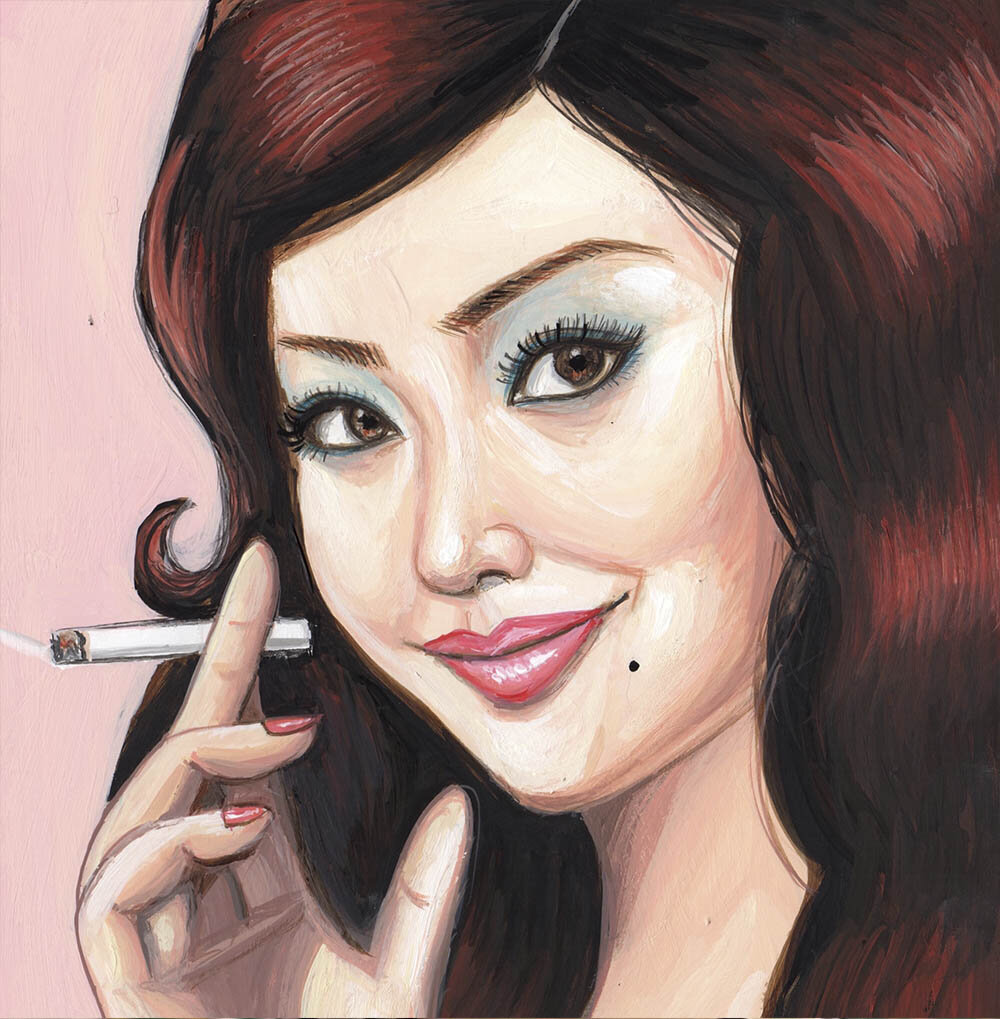
My early encounters with sex—such as graffiti in public toilets and dirty magazines left by the riverbank—were grotesque and frightening. Just before adulthood, I discovered Shunga. In that world, men, women, and even beasts and yokai celebrated sexuality together. Even the vividly rendered genitals felt humorous rather than scary. The pure lines, beautiful compositions, and radiant colors of intertwined bodies overflowed with joy—completely free of shame. Shunga taught me that "sex" can be delightful and amusing. As someone once burdened with guilt and discomfort about being female, I felt liberated. To enjoy such an ancient treasure as Shunga in Kabukicho—the sacred pleasure district—is pure bliss. I want to savor it to the fullest.
Writer seina
MESSAGE
For many years, I have enjoyed viewing contemporary art, both in Japan and abroad, with my children. After living overseas and returning to Japan, I am reminded of how important Kabukicho is as a hub of modern Japanese culture. At the same time, I find myself, as a mother, deeply interested in how the young people living here today lead their lives.
I’ve heard that shunga was a form of visual entertainment enjoyed by the townspeople of Edo, offering them various pleasures and laughter. As a mother and a person living in the present, I can’t help but reflect on the mental and physical state of people back then, as well as the social context they lived in.
I hope this shunga exhibition will provide an opportunity for both men and women today to reflect on their own hearts and bodies. It would be wonderful if it could also become a space for all generations, especially the younger ones, to discuss: “What can we do?” Through its vibrant sensuality, playful spirit, and surprising twists, shunga allows us to see “human beings who lived in their time,” transcending mere pleasure. With that perspective, I would like to use this exhibition as a way to examine how we live today as human beings.
Poet Ayako Noguchi
MESSAGE
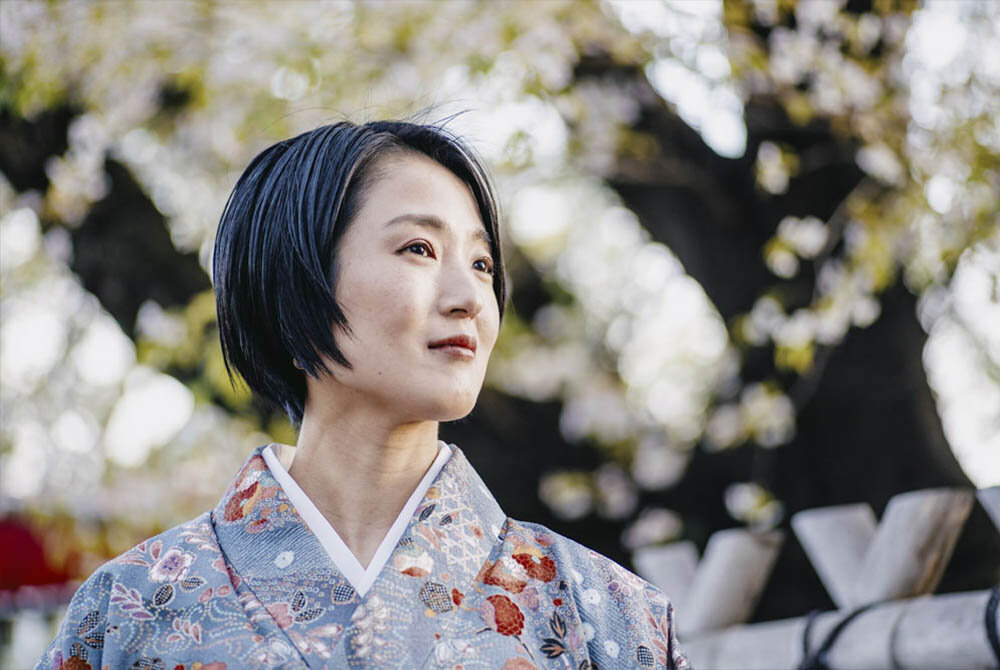
To laugh warmly, to feel a little embarrassed, and to share in the experience of being alive, here and now. Perhaps that sense of solidarity and warmth is what is needed in Kabukicho — and in Japan — today.
Rakugo Performer Benkyo Shunpūtei
MESSAGE
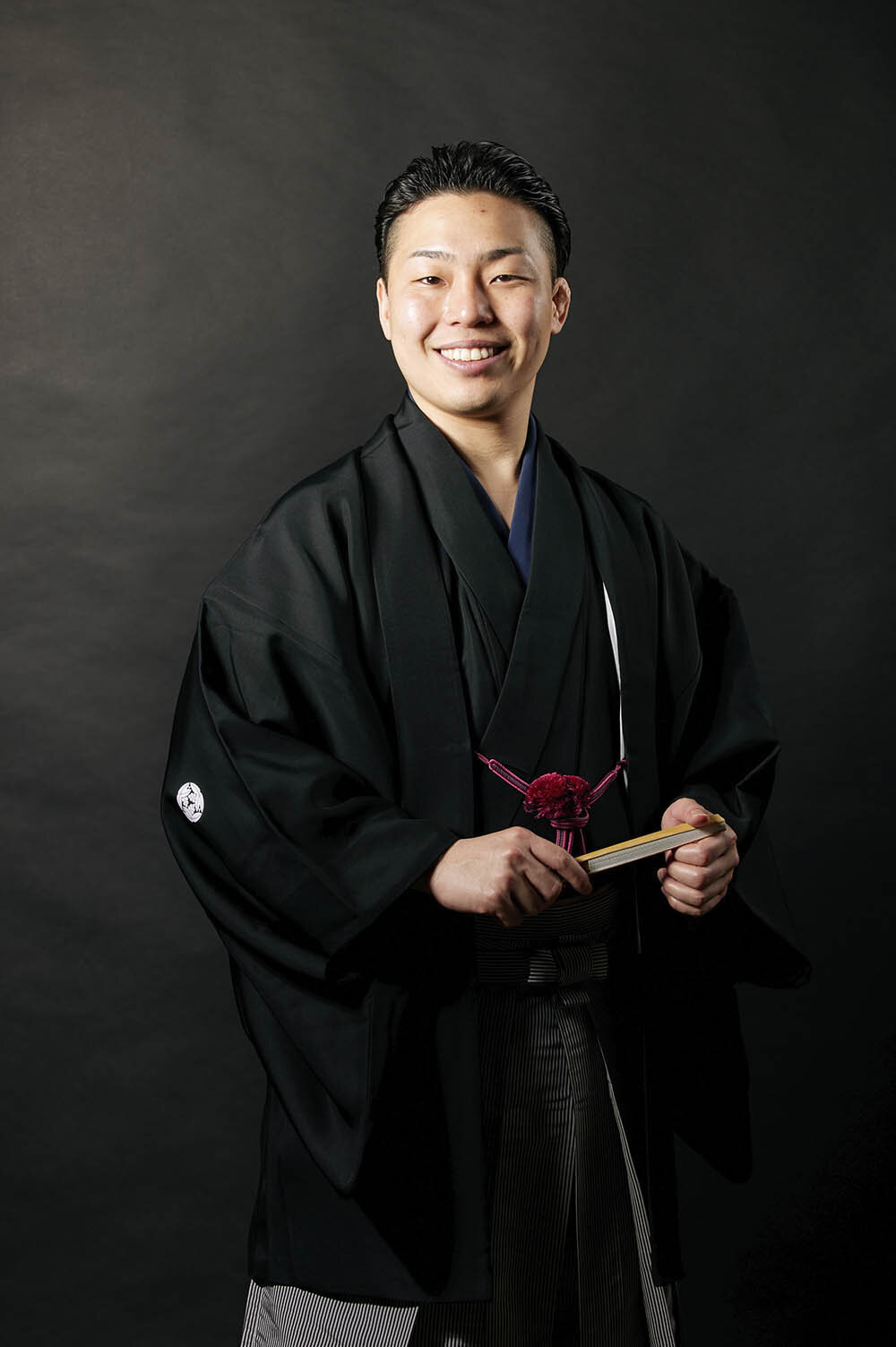
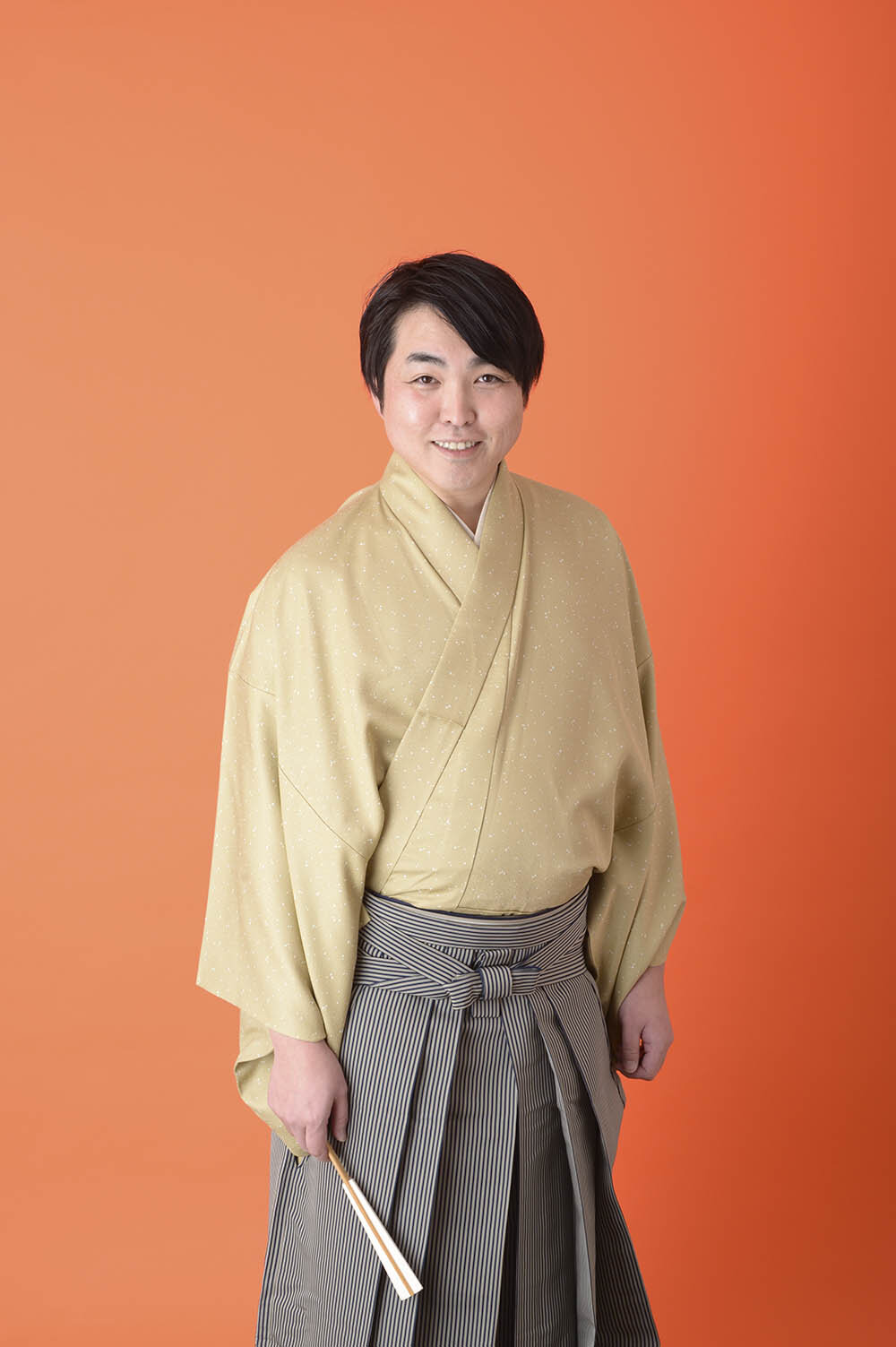
For us rakugo performers, shunga is something familiar. Whether it’s the fabric of our under-kimonos, the lining of our haori coats, or the illustrations in books of bawdy stories, we encounter it more often than the average person.
Is shunga art or seduction? Is it a comic or a curiosity from ukiyo-e? It is not a direct reflection of life, but rather a world of exaggeration. When I consider why shunga came into being, whether by chance or necessity. I can't help but wonder. Because of its content, the Edo shogunate attempted to suppress it. Yet, centuries later, it can now be seen live in Kabukicho, the city of desire — how fascinating!
These passionate activities, where various feelings and bodies overlap, excite me. I sincerely wish for the success of this exhibition.
Rakugo Performer Chako Shofukutei
MESSAGE
We live in an era where eroticism is easily accessible.
However, easily obtained eroticism often lacks laughter.
It is in the eroticism that remains just out of reach, the imagination that chases after it...that laughter is born.
Through the eroticism and humor depicted in shunga, I reflect on the imagination of the good old Japanese people.
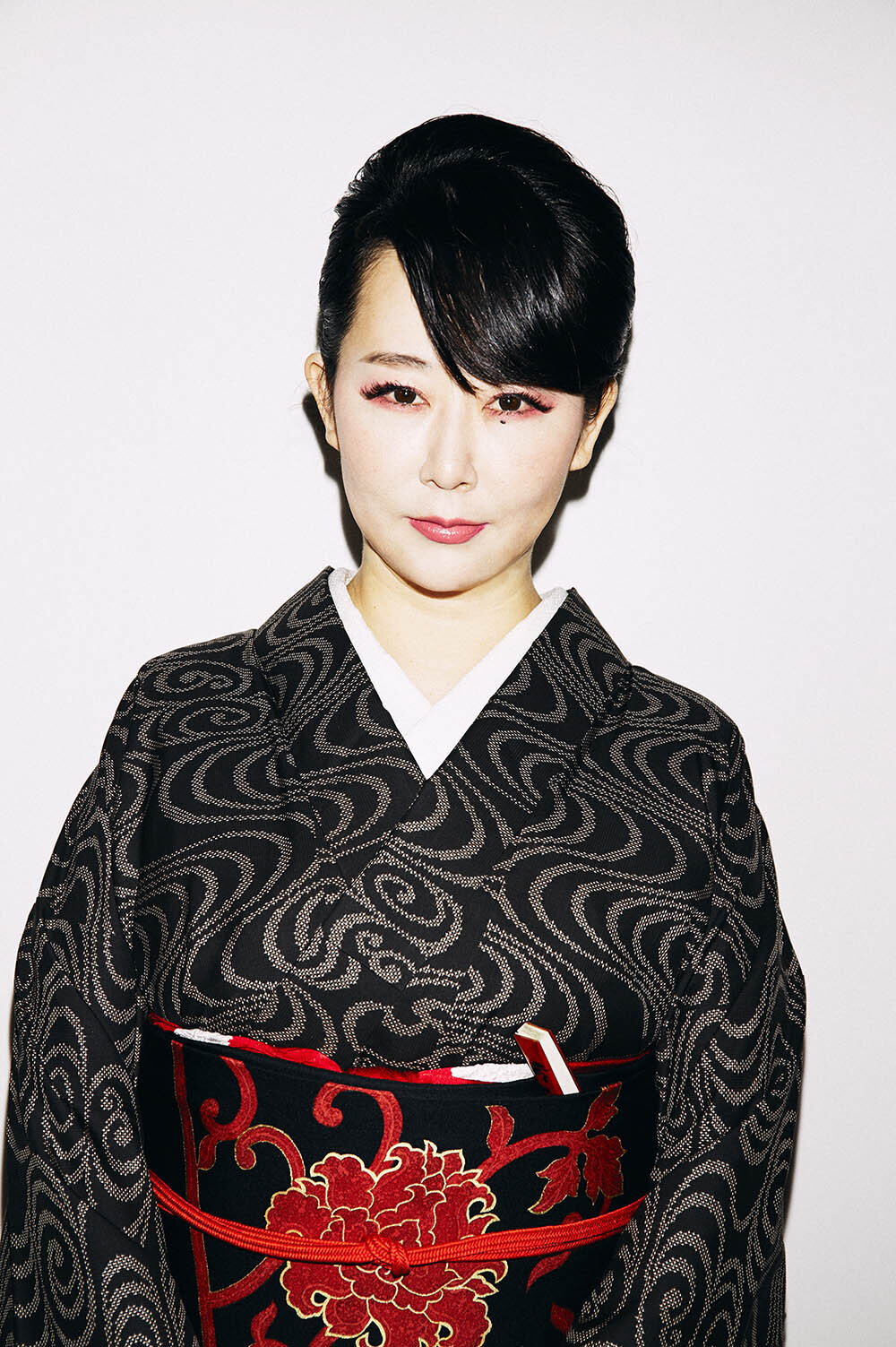
Manga Artist Akiko Higashimura
MESSAGE
When I view ukiyo-e, I often sense the origins of Japanese manga. Examining shunga is not merely about observing historical sexual expressions; it offers a valuable opportunity to understand the lives, values, and artistry of people in the Edo period. I genuinely hope that young people will appreciate this!
Illustrator Adabana Bloom
MESSAGE
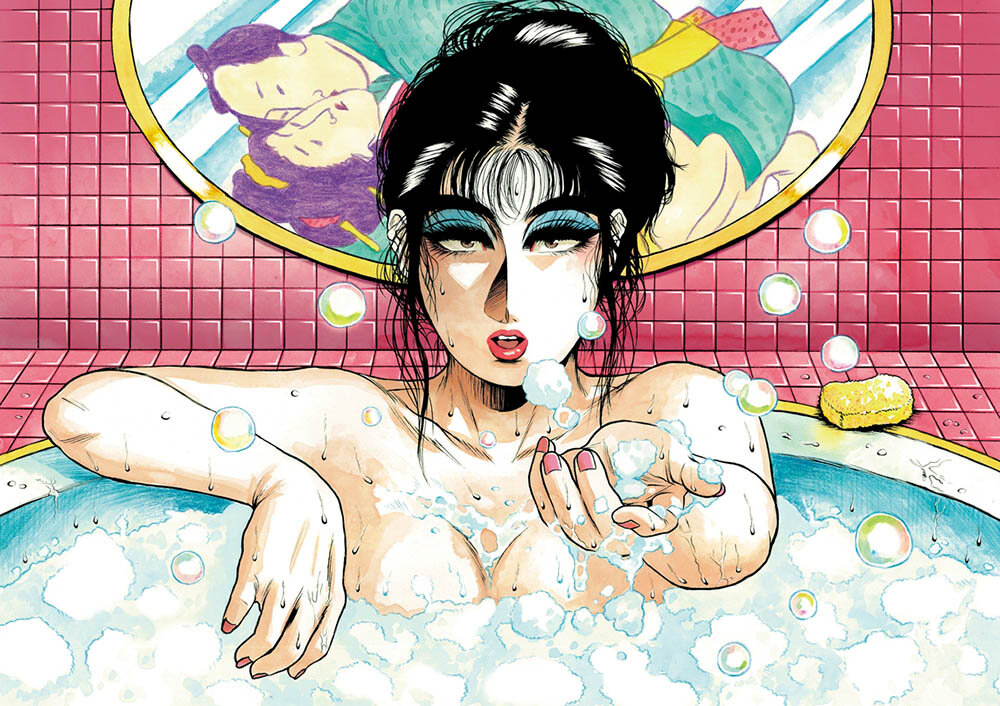
The first time I encountered shunga was not in a museum or gallery but in a room of a love hotel. The piece had a unique presence as part of the interior decor—glossy yet somehow humorous—and it left a strong impression on me. The venue for this exhibition is right in the heart of Kabukichō, surrounded by love hotels. There could hardly be a more fitting stage to savor the playful spirit and lively expressions of shunga.
Director, Yamaneko Research Institute Ruri Miura

MESSAGE
To live joyfully in a world that is often considered uninteresting, it is best to appreciate the laughter and absurdity at the core of humanity and to feel life bursting forth. I believe that Japanese people were especially skilled in that art to begin with. These days, it seems people prefer to live neatly and cleanly, but isn’t minimalism only meaningful when there’s a touch of vulgarity? Doesn’t stillness arise from movement? That’s what I’ve been thinking lately. I look forward to an exhibition of shunga that inspires laughter.
Artist / Animator / Illustrator Sawako Kaburaki
MESSAGE
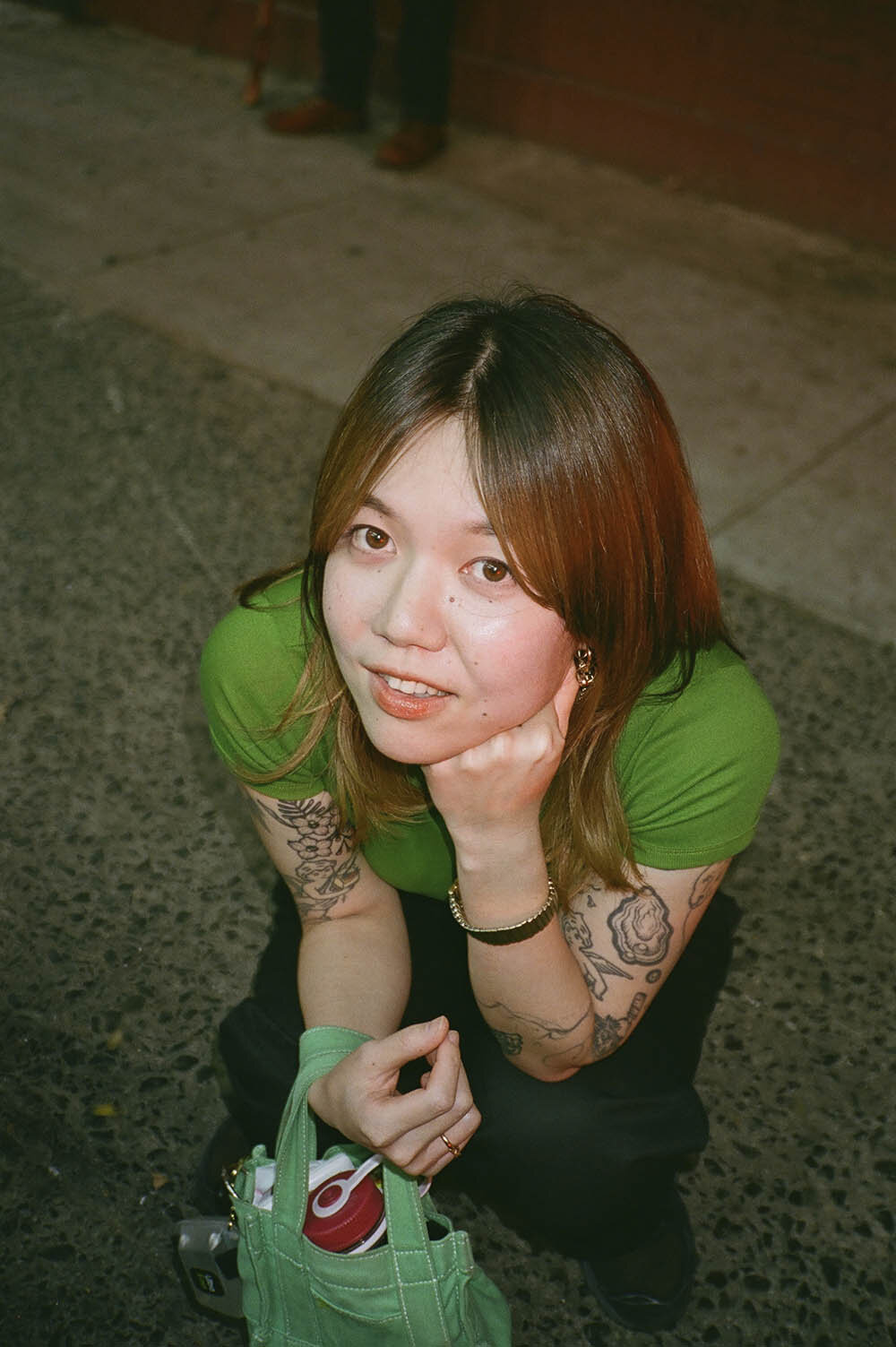
Shunga gently reminds us of the diversity of sexuality as a joy of living, often hidden behind shame and taboo! Enjoy sex, be kinder, and create a society where we respect one another. Wishing happy sex for all humanity! (^O^)
Green Bird Kabukicho (a volunteer group that organizes neighborhood clean-ups) Fumino Sugiyama
MESSAGE
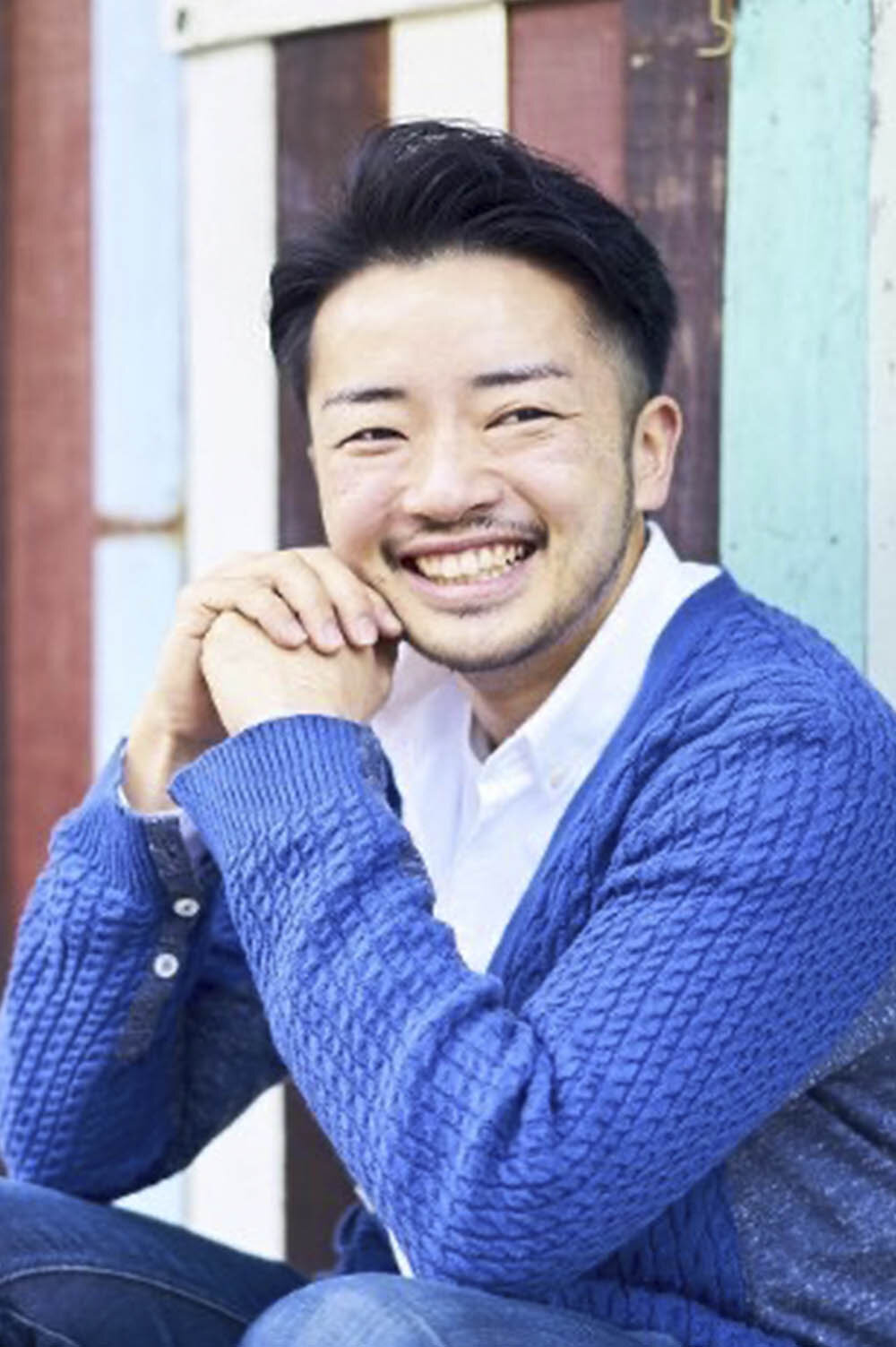
Shunga is Japan’s proud traditional culture that depicts sex and life with humor and sometimes provocation. It is a shame that it has been treated as a “taboo” for so long! At its core, shunga was meant to portray sex more freely, with satire and laughter, embracing the full diversity of human existence. As someone born and raised in Kabukicho who loves the openness and diversity of this neighborhood, and as someone who has engaged with issues of “sex” and “life” through LGBTQ+ activism, I am truly looking forward to this exhibition filled with freedom, humor, and diversity!
Writer and literary critic Yusuke Watanabe “Sukezane”
MESSAGE
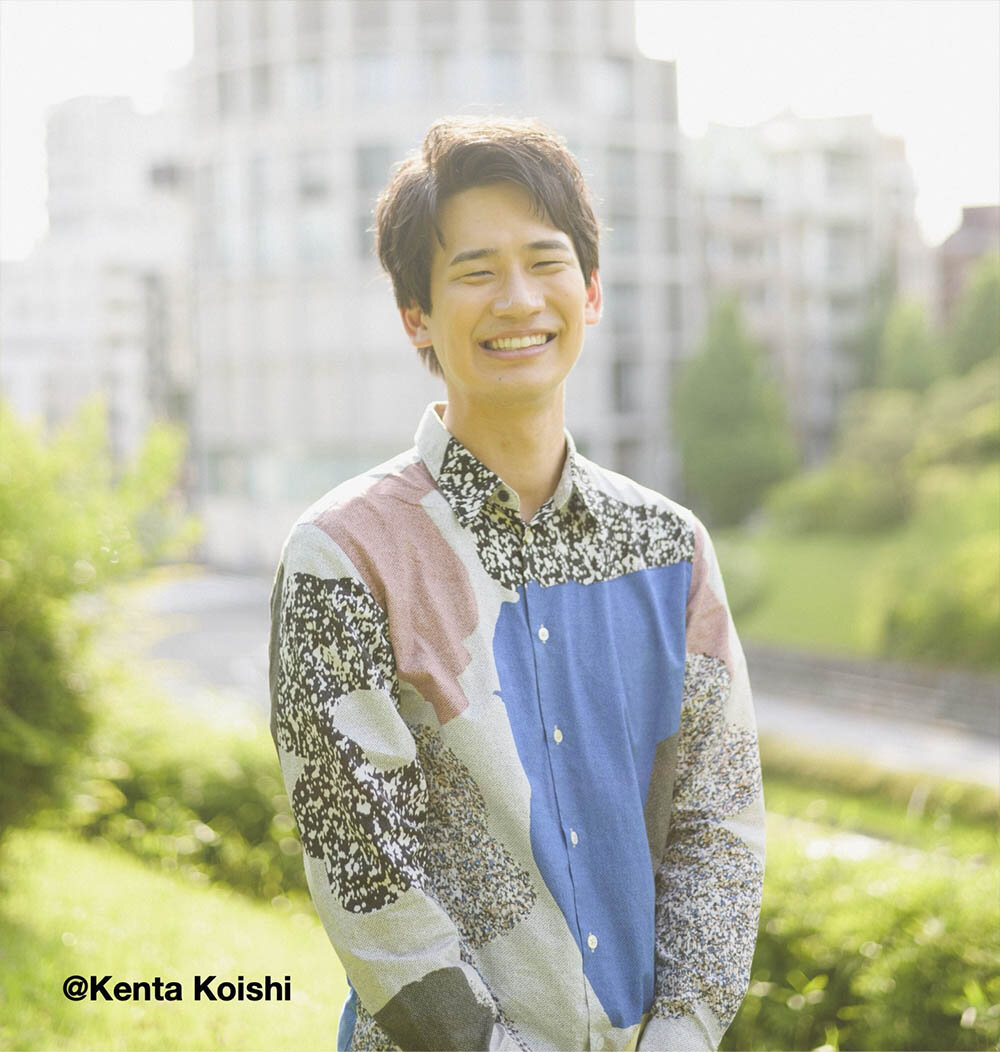
The Edo period marked the dawn of commercial publishing. It wasn’t just the ruling class that read; even farmers and village leaders began to consume literature. In other words, everyone started reading the same books, accessing the same information, and developing similar thoughts. This may mark the origin of our modern condition, where people read the same content online and express the same opinions on social media.
Reflecting on publishing and reading during the Edo period compels us to confront the challenges of information in our current time. Shunga—vulgar yet artistic, oscillating between regulation and freedom—mirrors this dynamic. It poses a historical question while also presenting an opportunity for us to engage with it as both an artistic and ethical experience. This is closely related to how we view Kabukicho and the sex industry. To observe, to experience, to reflect, and to debate—this entire process is a powerful act of critique, regardless of one's stance. In any case, I urge you to see it first!
Museum producer Mari Hashimoto
MESSAGE
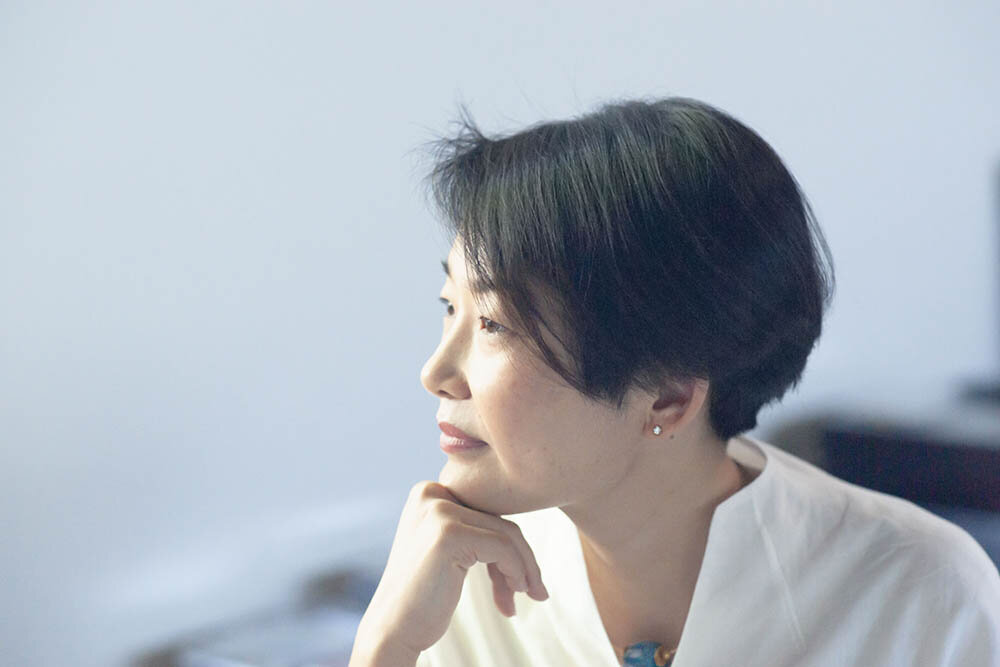
Harunobu, Utamaro, Hokusai, and Kuniyoshi all created shunga. You cannot discuss the imagery of Edo without considering shunga, which existed in both a negative and positive relationship with ukiyo-e.
Art Blogger Blue Diary-Tsuyoshi Nakamura
MESSAGE
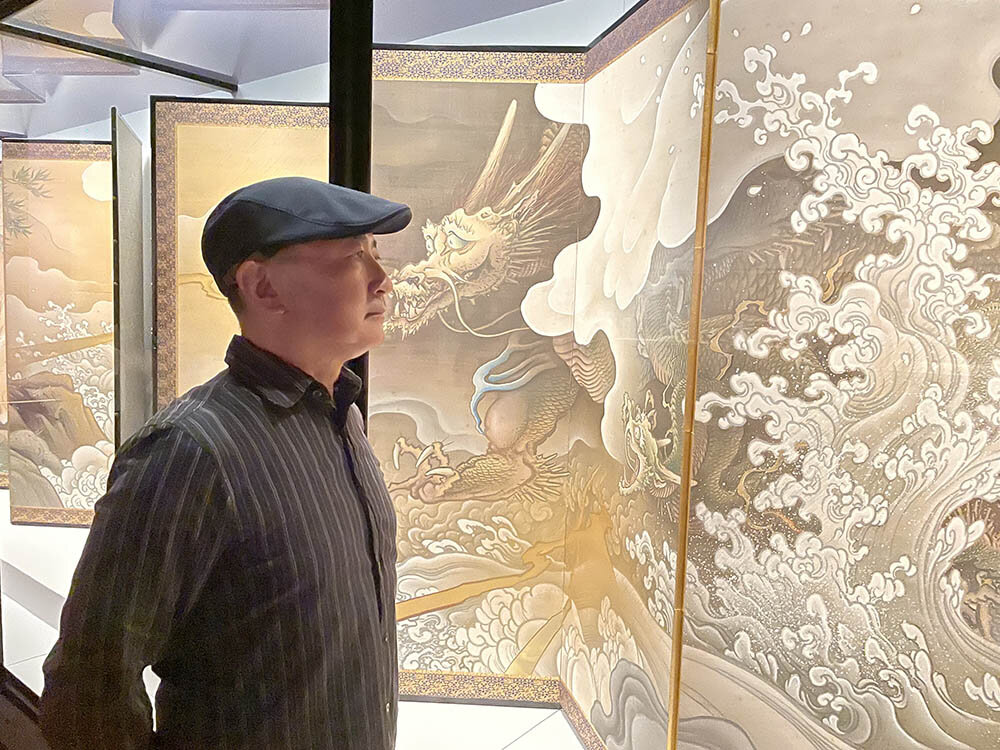
Shunga, which captivated the people of Edo, is not only sensual but also amusing, visually beautiful, and rich with the subtleties of life. Now, its charm is returning to Kabukicho, Japan’s foremost nightlife district. Here, glittering neon meets the stillness of a Noh stage, where humor, sensuality, and humanity gently coexist. It’s something you can enjoy informally, and before you know it, your heart feels lighter. I hope the smiles and conversations sparked by shunga will spread across generations and transcend borders.
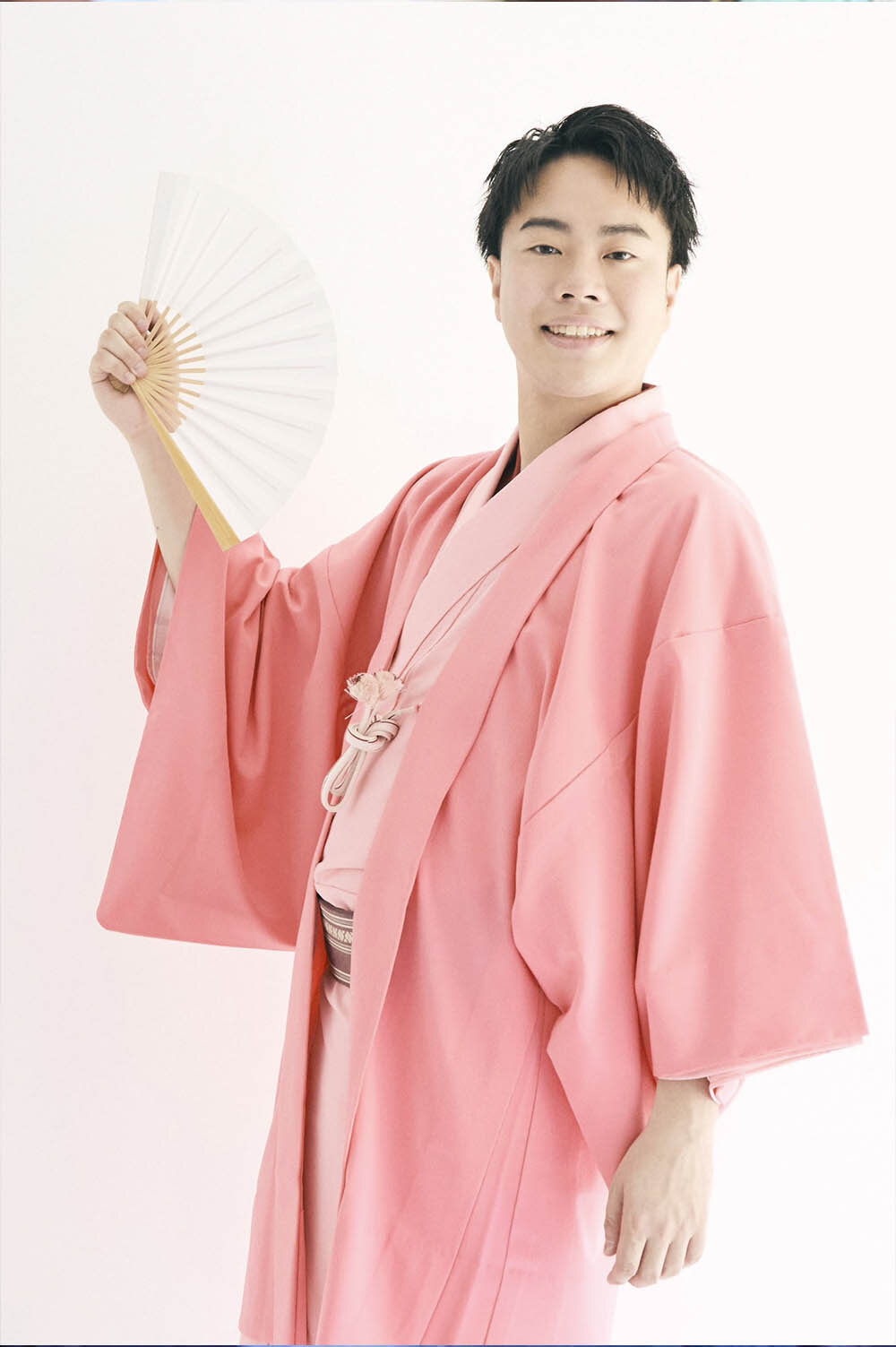
Rakugo Performer Sakutaro Hayashiya
MESSAGE
Don’t underestimate shunga; it was a cultural trailblazer. As a bookseller mentioned in the exhibition, “These days, customers have keen eyes; just jotting a few lines won’t hold their interest.” As a result, texts became densely written, resonating with rakugo storytelling. Among the pieces shown on video, the moon’s rabbit personified as a beautiful woman can be seen as a precursor to anime culture. In the Edo period, shunga was known as warai-e, or “pictures of laughter,” and also bore the “wa” mark (wa-in). In any era, when same-sex groups gather for drinks, the conversation often turns to sex. Why not let this exhibition serve as a humorous talking point?
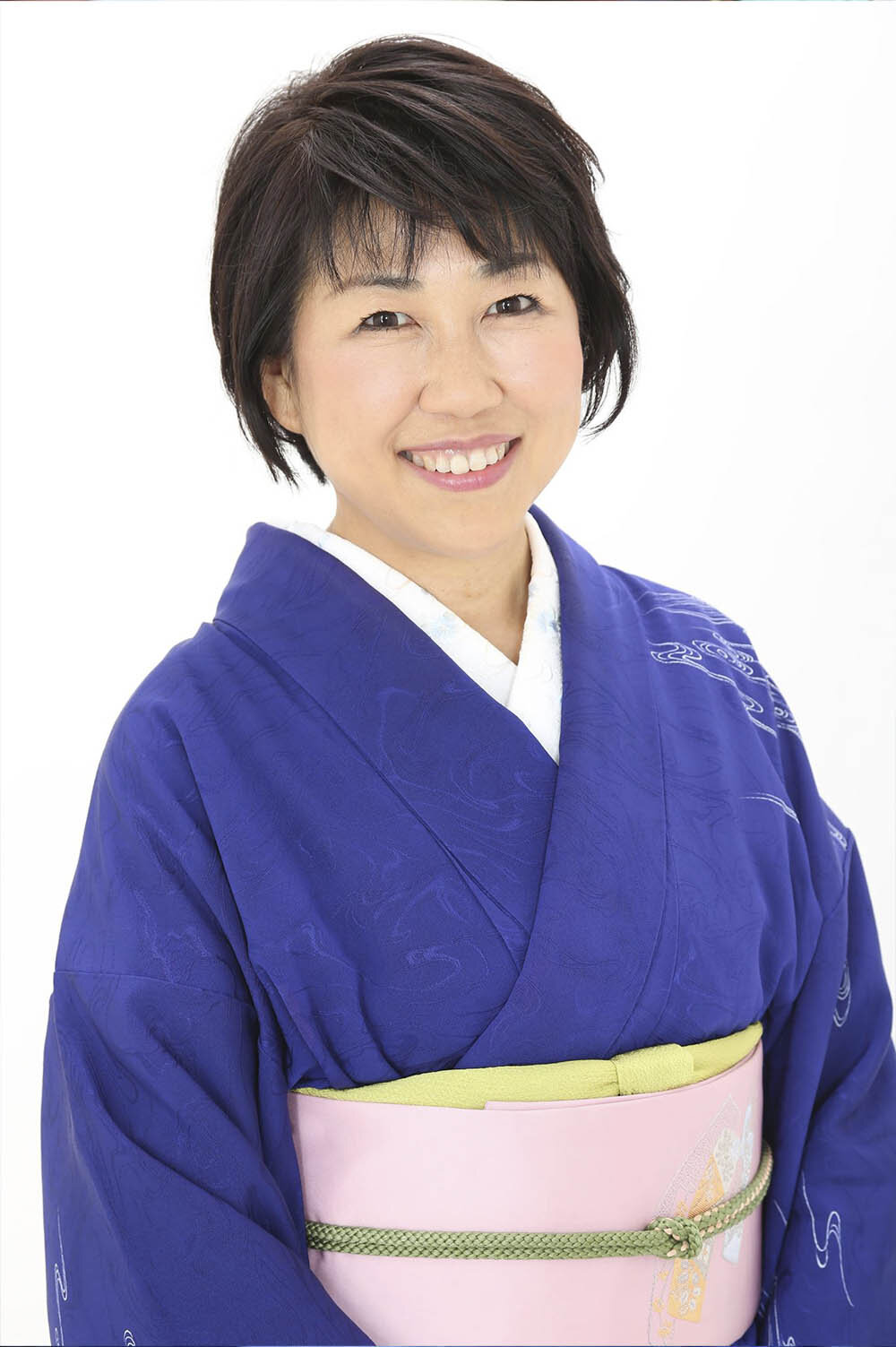
Illustrator&Writer Hiromi Tanaka
MESSAGE
Shunga is not only erotic; it also evokes laughter and is visually stunning.How wonderfully chic that this Edo playfulness is being revived today in Shinjuku Kabukicho. In the dignified setting of a Noh stage, this exhibition allows shunga to move freely. While depicting sexuality, shunga transcends gender and status, reflecting people’s lives, emotions, and humor, and connecting them through the art of wa (harmony). I found myself newly captivated by the world of shunga. I hope this becomes a place where shunga is not perceived as “forbidden to see,” but rather as something people want to experience, feel, and discuss together.
Illustrator Rick
MESSAGE
This was my first encounter with shunga. As obvious as it may sound, it felt profoundly human, reminding me that I, too, am simply human. The diverse graphic expressions, instinctively “cool” even by today’s standards, made me feel, as a painter, that I exist within that continuum of history.
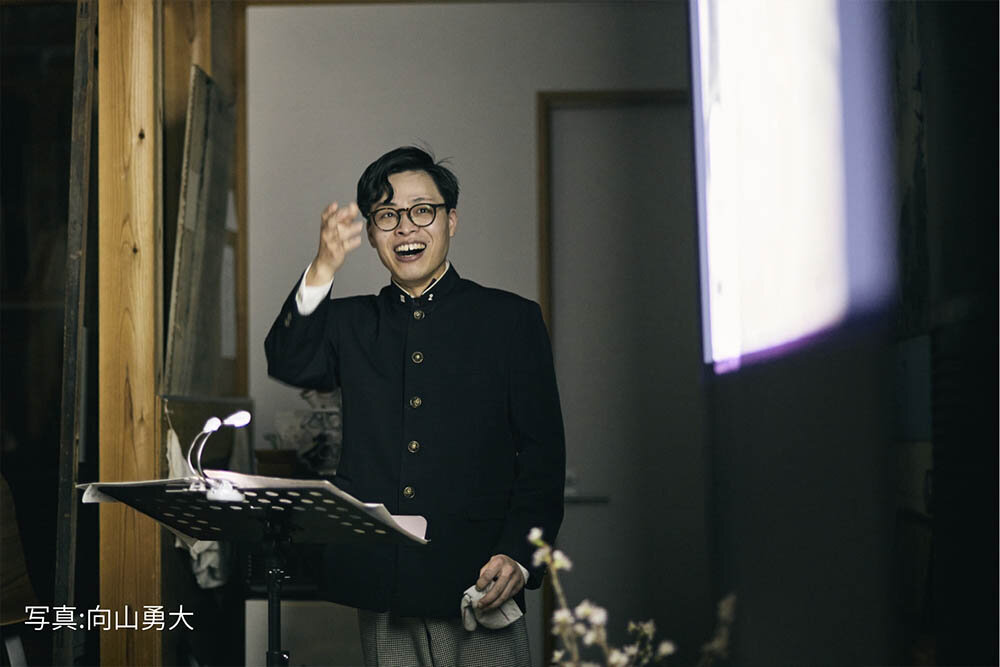
Katsudo Shashin Benshi (Silent Film Narrator) Takatora Oda
MESSAGE
Shinjuku and Shunga.
What came to my mind was a scene from Shūji Terayama’s film Throw Away Your Books, Rally in the Streets, where a young man has his first sexual experience. In the brothel setting in Shinjuku, shunga prints were strikingly displayed.
At that moment, shunga seemed to exist as a vivid presence, serving as a kind of avant-garde prop within Shinjuku, a cultural hub where anti-establishment and avant-garde intersected.
That was in 1971.
Fifty years later, I feel that here in the same Shinjuku, we are now able to enjoy shunga in a casual yet stylish way. There is absolutely no need for us to keep it hidden anymore. I hope many people will come to appreciate shunga with the same ease as drinking tea.
Rakugo Performer Kojirou Sanyutei
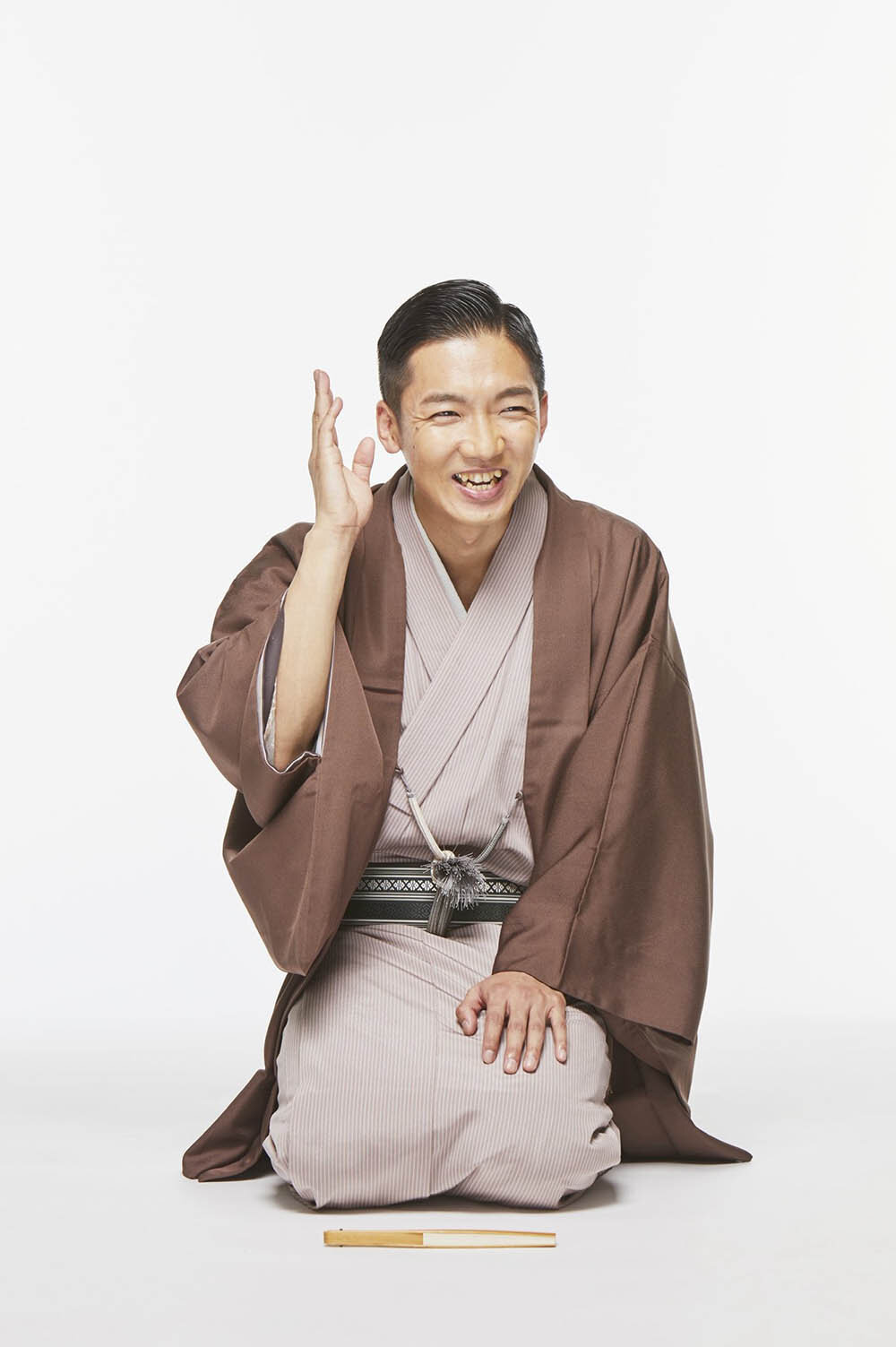
MESSAGE
The world feels suffocating.
Living in times like these, our minds are surely filled with worries and inner conflicts, and I am no exception. Amid all that, I happened to drop by a shunga exhibition, and it shocked me.
The works were filled with refreshing eroticism and outrageous absurdity! My trivial worries were blown away! I couldn’t help but think, ‘Yes, yes! This is exactly what I’ve been looking for!’ and cheered in my heart.
Shunga is an explosion!!!
Author / © Kodansha Yuka Murayama
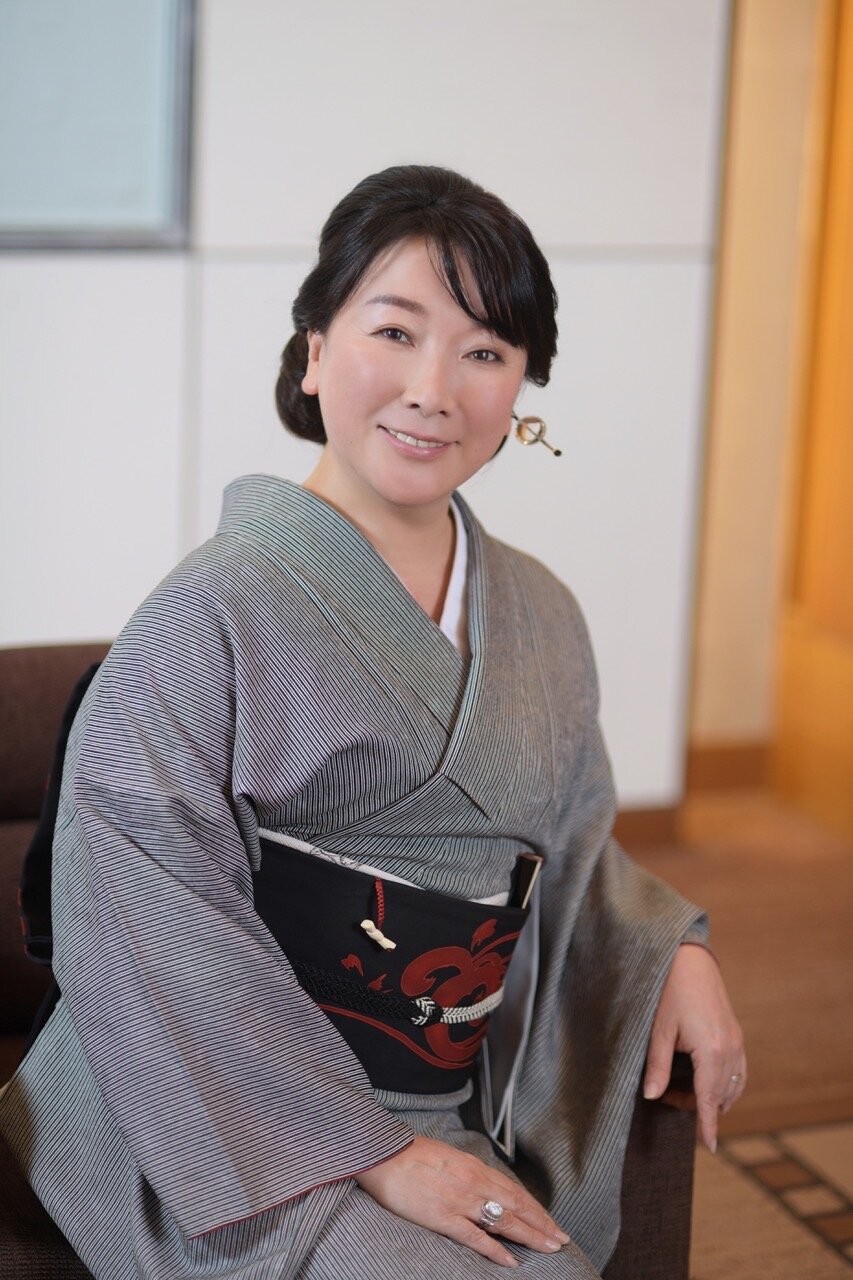
MESSAGE
I had often seen them reproduced in art books.
Yet until I viewed them up close, I had never imagined they were preserved in such vivid colors, nor had I ever recognized them as such profoundly beautiful works of art.
There is a power and conviction that only the genuine article can convey—and above all, the sheer joy radiating from the people depicted!
In a country where sex and erotic customs are so often viewed through a prejudiced lens, there is immense significance in holding a shunga exhibition here in Kabukicho, a district long synonymous with sex and entertainment.
Illustrator Yamato Katsukura
MESSAGE
I visited the Shinjuku Kabukicho Shunga Exhibition WA in 2025, it was my first time seeing shunga displayed in person ☆
My first impression was: “Funny, Beautiful, and Cool.” ☆
Upon entering the exhibition space, I found myself in a dark room where the works were illuminated by spotlights. The shunga pieces, displayed along the walls and upon the magnificent Noh stage, could be appreciated alongside a pleasant background soundtrack that felt like the rhythm of a heartbeat.
I had previously only glanced at shunga in art books or online images, but viewing them up close revealed details I had never noticed before: the textured unevenness of the paper, the luxurious gold leaf, the mesmerizing ink lines, and works densely filled with text across the entire surface. Some depicted intimate parts like cute characters, and I was deeply moved by the freedom and humor of these pieces ☆
In any case, it was extraordinary. “Something like this existed in Japan!?” The collaboration between Edo-period artisans, who paid meticulous attention to detail, and modern exhibition specialists was thrilling. I’m excited to see it again and look forward to an even more powerful version of the exhibition ☆
I highly recommend it not only to Japanese visitors but also to international audiences ☆
It’s a wonderful experience that I truly hope everyone can feel for themselves ☆☆☆
Kyogen Performer / Actor Taro Ishida
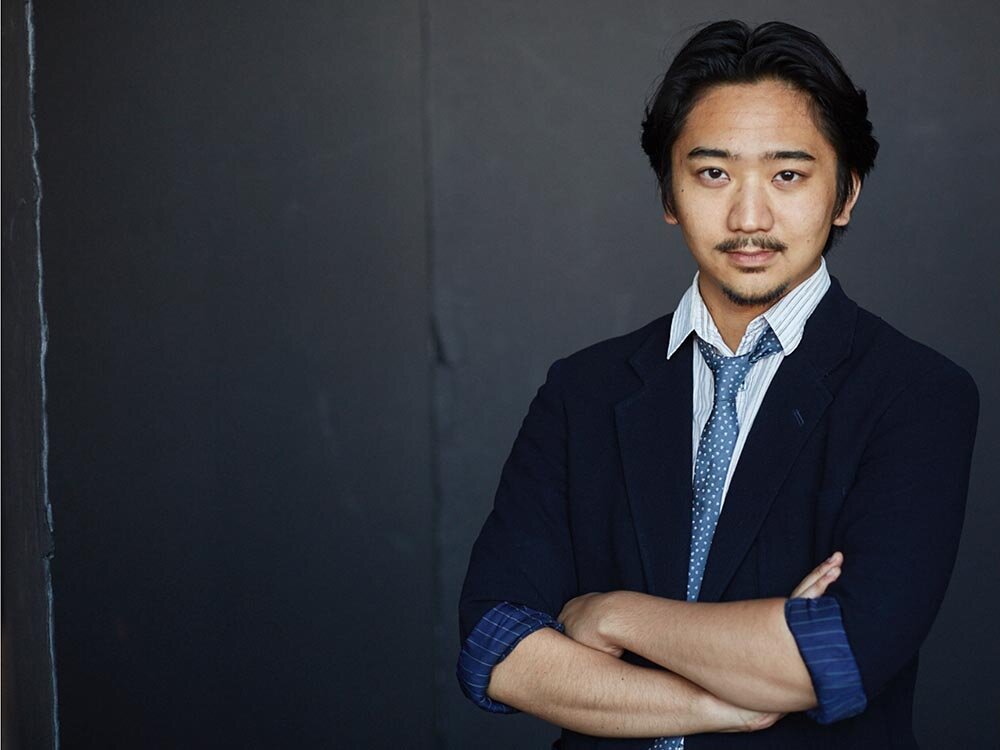
MESSAGE
Perhaps Japan once embraced many forms of oorakasa, a broad-minded and generous ease of spirit. Its lingering traces continue to captivate people around the world even today. Each palm-sized print seems to speak directly to us, reminding us that quietness, modesty, and the aesthetic of refined simplicity often associated with wabi-sabi are not the only dimensions of Japan’s traditional culture.
Rakugo Performer Haruta Haruame
MESSAGE
Mameban shunga.
Small, stylish pieces that could be slipped into one’s sleeve.
It is said that some people even had themselves depicted as models.
And then they would exchange them for pleasure.
Thinking of it as handing over a double of oneself creates a curious sense of exhilaration.
One might accidentally open a new door.
Kodanshi (Professional storyteller) Rika Kanda
MESSAGE
It was my first time seeing so many mameban shunga at once, and I found it extremely fascinating. Each piece is delicate, beautiful, and so charming that I couldn’t help but gaze at them in admiration. The way they make you quietly chuckle is also part of shunga’s appeal.
The expressions of the women depicted are all so endearing. I found myself repeatedly enlarging them with a magnifying glass.
It was truly a blissful time, and somehow my heart felt lighter.
Within those small sheets of paper, great love was abundant.
Writer / Creator Seiko Ito
MESSAGE
To confine the uncontrollable force of sexuality within a single image, through relentless observation, humor, and faithful reproduction.
Shunga may be a profoundly wise method of understanding.
Kodanshi / Storyteller Sakurako Kanda
MESSAGE
Hokusai and Eisen.
There are a few exhibitions where one can so fully experience the ‘extreme of life’ that Edo painters achieved.
Among them, what leaves the strongest impression is Eisen’s world of shunga.
His sensuous depictions of women carry an atmosphere of humidity and a certain toxicity; in their gaze and the warmth of their skin, one begins to understand why Van Gogh was so captivated.
Hokusai’s “Tako to Ama”, which follows, is the highlight of the exhibition.
Seen in relation to earlier works by Kitō Shigemasa and others, as well as later developments by Kuniyoshi and Yoshitoshi, the masterpiece emerges vividly within its historical lineage.
Hokusai’s distinctive use of onomatopoeia in the accompanying texts is also striking.
Equally remarkable are the extraordinary techniques of the carvers and printers, breathing life into every detail of shunga.
Shunga was once cherished as “kachie (images of victory)”, viewed, shared, and discussed in everyday life.
Within them are not only expressions of sexuality, but also the rhythms and textures of life at the time.
To experience shunga together here in Kabukichō, Shinjuku, feels as if it transcends time, perhaps a message from Edo itself, urging us: live.
Rakugo Performer Shosuke Shunputei
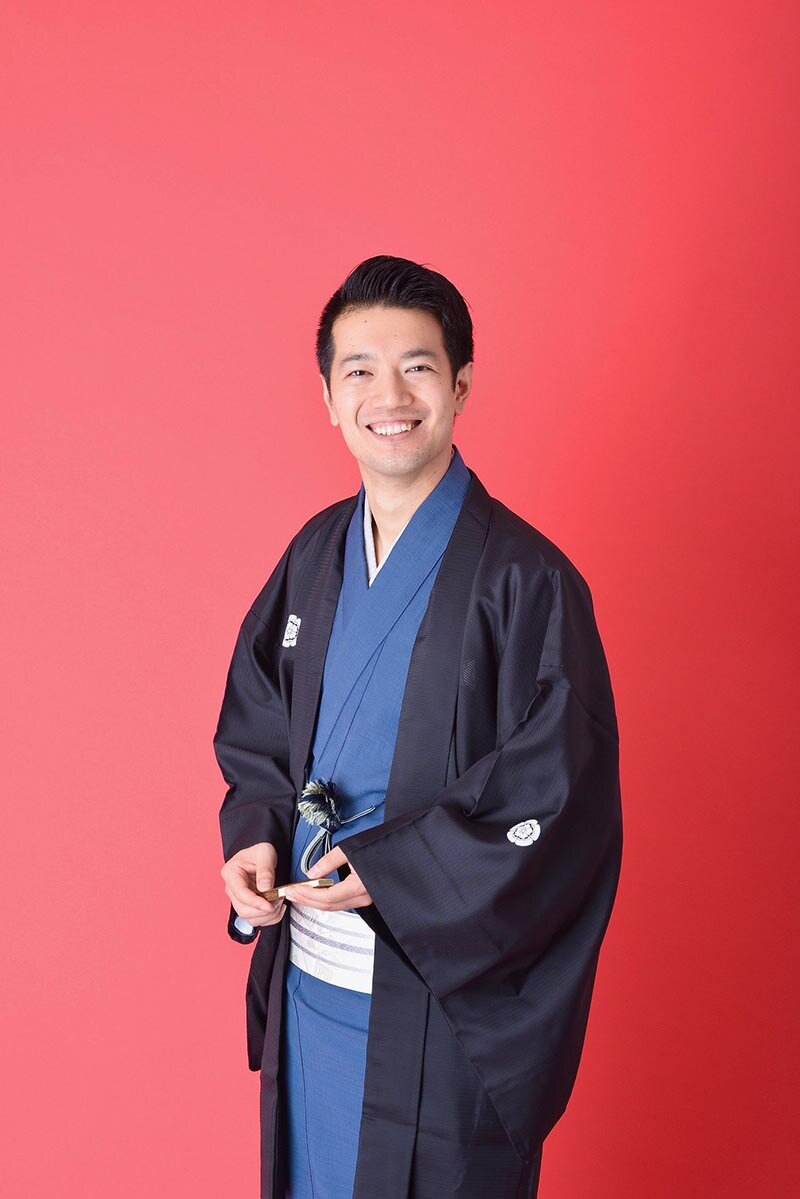
MESSAGE
The Edo period was an erotic age.’
When I was in middle school, I found an adult magazine behind a park in my hometown with that exact headline.
I never imagined I would come to truly understand its meaning twenty years later.
Different people, same desires.
Eroticism, passed down like a baton into the present.
Things haven’t changed all that much, then or now.
This exhibition made me feel a surprising closeness to the Edo period.
Artist / Designer Manabu Koga
MESSAGE
The modern sensibility of the ‘stylish Eisen,’ and the obsessive fetishism emphasized by Hokusai’s distinctive use of onomatopoeia, their interplay of sensuality delivers a vivid stimulus even to contemporary creators.
In particular, their bold reinterpretations of “The Tale of Genji” reveal that the roots of today’s fan culture and derivative works were already fully formed over 200 years ago.
As an artist working with the theme of ‘underwater knee-high socks,’ I experienced the layered interpretations extending from Hokusai’s “Tako to Ama” as if witnessing a magnificent anthology that transcends time and space.
This overwhelming intensity will serve as an important guide for my future work in film and design.
Please experience for yourself the moment when the classical and the contemporary are connected through the pure energy of eroticism.
Editor Kyoichi Tsuzuki
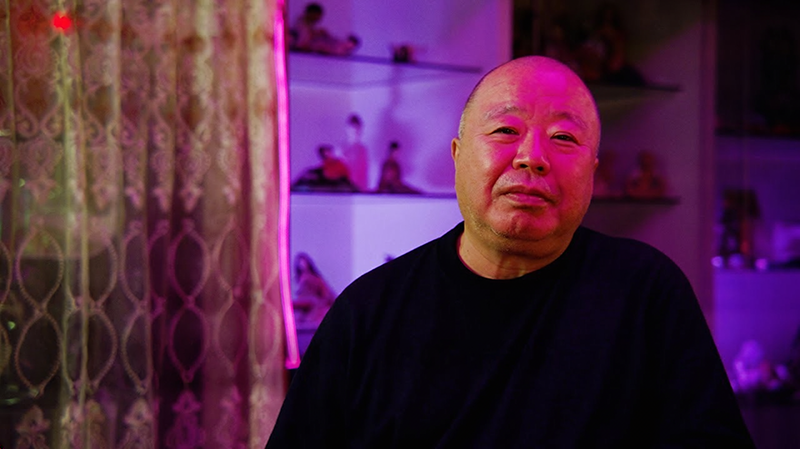
MESSAGE
Shunga were the pornographic photographs, the erotic magazines, of the Edo period.
Neither those who viewed them nor those who created them thought of them as ‘art.’
Like the black-and-white explicit photos once discreetly offered behind telephone poles in hot spring towns at night, or cheap magazines discarded and weathered in roadside grass, they were meant to be consumed and thrown away.
Yet these works traveled to the West, where they received a kind of recognition that even the Japanese themselves had never imagined, only to be reimported and suddenly redefined as ‘art.’
Even so, it has only been very recently that shunga could be published without censorship.
May the rebellious spirit of those erotic artists from 200 years ago, infused with abundant humor, continue to inspire more people today to step into eroticism as a form of resistance.
Rakugo Performer Anko Hayashiya
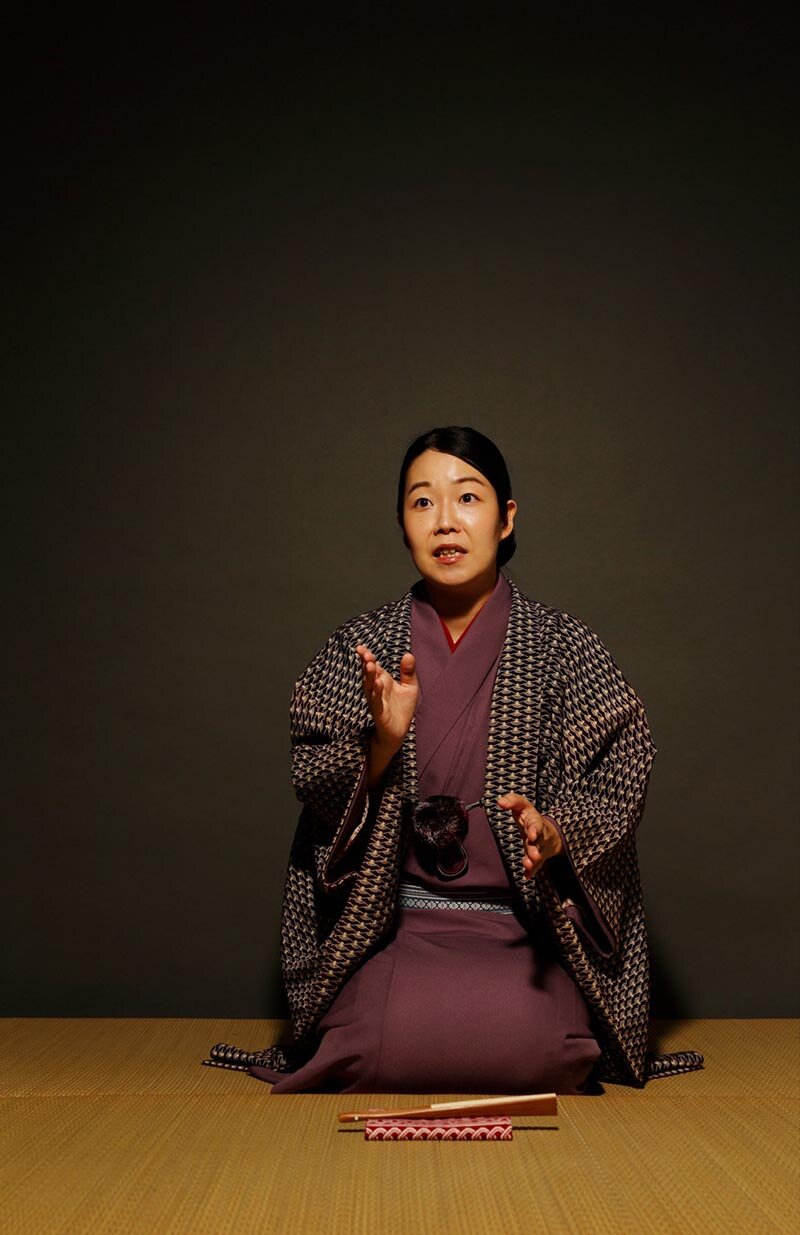
MESSAGE
Hokusai and his beloved disciple, Eisen, a shunga exhibition by these two masters.
As someone who performs the original rakugo piece Hokusai’s Daughter, whenever I look at their works, I feel as though I can hear their conversations unfolding beside me.
When I visited a shunga exhibition in Hagi, Yamaguchi Prefecture, I even imagined hearing the exchanges of a parent and child bickering while completing a single work together.
What is especially remarkable in this exhibition are the eyes of the women Eisen depicts.
When viewing the exhibition, I hope you will pay close attention to Eisen’s eyes.
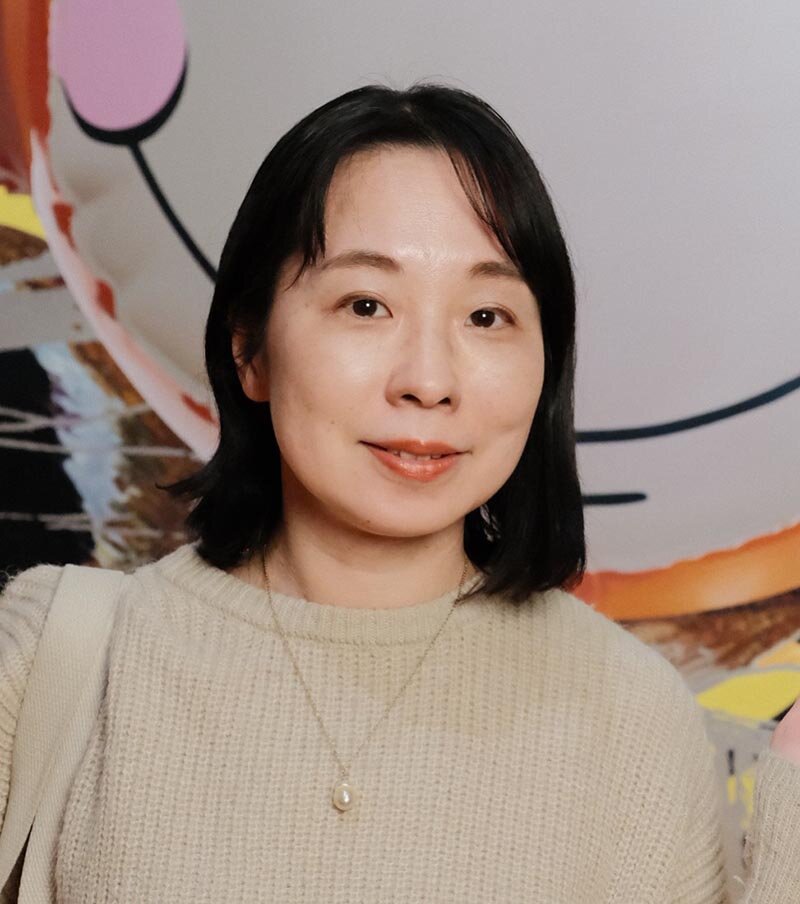
Manga Artist / Columnist Nameko Shinsan
MESSAGE
Every time I visit a shunga exhibition, I am struck by the thought that perhaps nowhere else in the world exists a people so obsessively curious and delightfully perverse about sexuality as the Japanese.
And perhaps there is no city other than Kabukichō, a place that embraces every human desire, capable of containing the endless fantasies of the Japanese imagination.
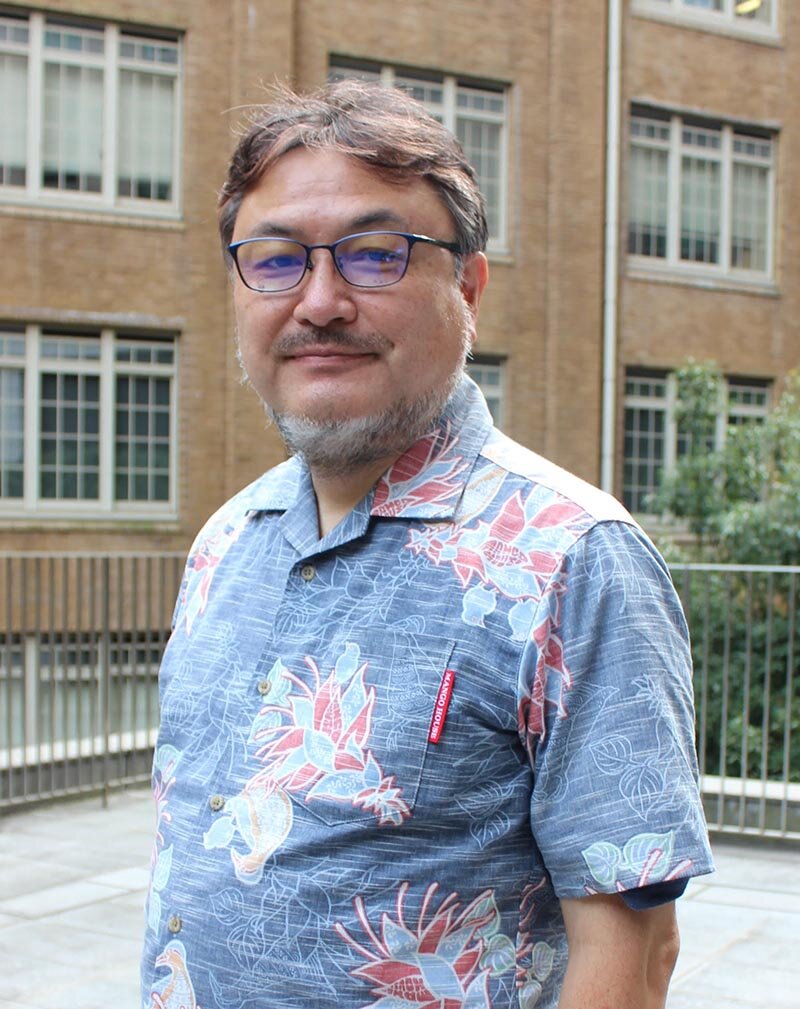
Cultural Policy Researcher / Visiting Professor at Tokyo University of the Arts Yoshiyuki Ōshita
MESSAGE
When Katsushika Hokusai (1760–1849) and Keisai Eisen (1791–1848) were devotedly producing shunga, across the sea, England was in the midst of the Industrial Revolution.
Unaware of such developments, the people of Edo immersed themselves wholeheartedly in popular culture, including shunga.
Common townspeople crowded into the three great Edo theaters to catch a glimpse of the celebrated kabuki actors depicted in nishiki-e prints.
Even when the Edo shogunate issued sumptuary laws restricting the colors and patterns of clothing, the people responded with rebellious creativity, inventing vast variations of subtle tones known as the ‘Forty-Eight Browns and One Hundred Grays.’
It was also around this time that gatherings for composing haiku, the world’s shortest form of poetry, flourished.
To me, shunga offers one of the clearest expressions of the creative spirit of these remarkable predecessors.
MESSAGE
MESSAGE
MESSAGE
MESSAGE
Copyright © Smappa! Group / SCRAMRICE Ltd. All Rights Reserved.